
Table of Contents
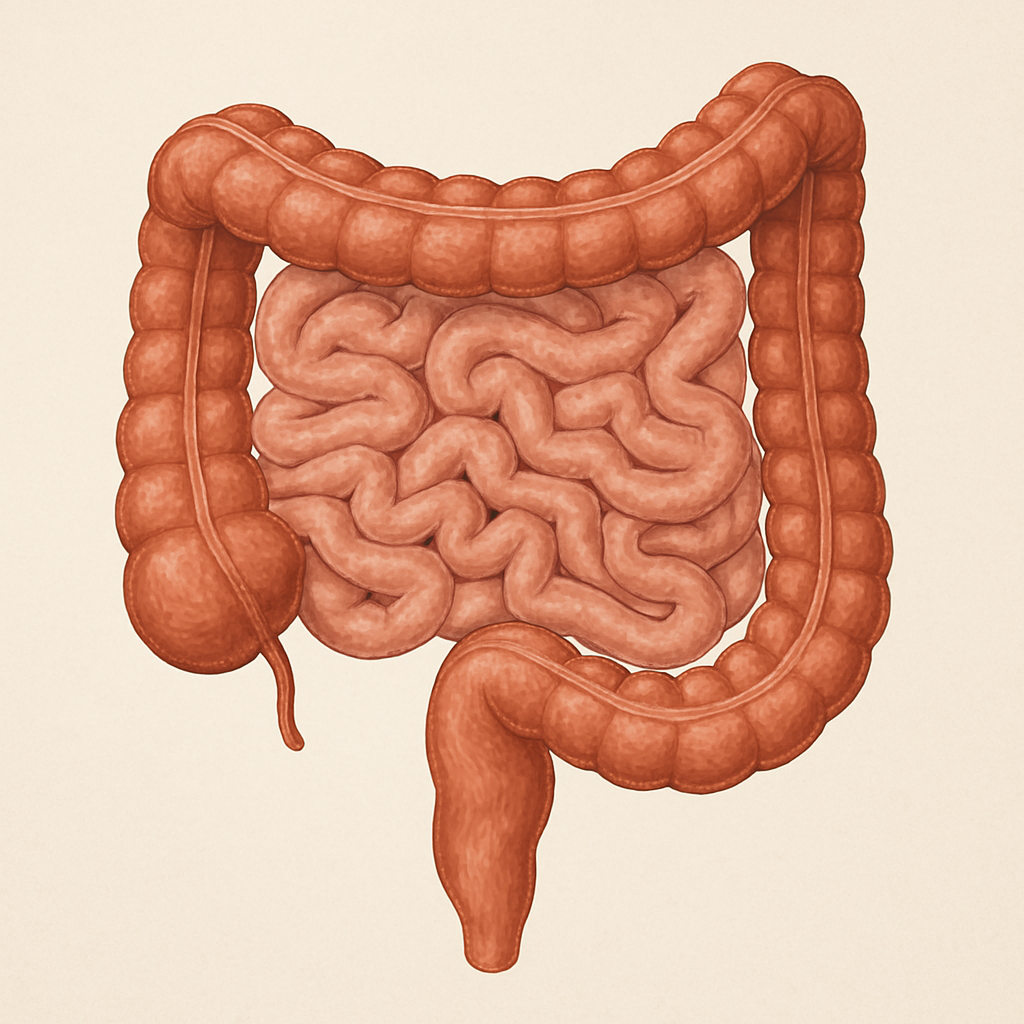
Enteritis: Acute and Chronic Enteritis
Introduction
Enteritis refers to inflammation of the small intestine. It can be:
Acute Enteritis – sudden in onset, short-term.
Chronic Enteritis – long-lasting, often recurring.
Both conditions can disrupt digestion, nutrient absorption, and overall gastrointestinal health.
Etiology
Causes of Acute Enteritis:
Infections:
Bacterial: Salmonella, Shigella, E. coli, Campylobacter
Viral: Rotavirus, Norovirus, Adenovirus
Parasitic: Giardia lamblia, Entamoeba histolytica
Food poisoning
Medication-induced: NSAIDs, antibiotics
Unhygienic food and water
Sudden climate change or improper diet
Causes of Chronic Enteritis
Autoimmune conditions: Crohn’s disease, Celiac disease
Chronic infections: e.g., intestinal tuberculosis
Irritable Bowel Syndrome (IBS)
Alcohol, spicy/irritating foods
Malabsorption syndromes
Ayurvedic causes: improper food combinations, indigestion, seasonal and behavioral imbalances, aggravated doshas
Clinical Features
Acute Enteritis
Abdominal pain or cramps
Diarrhea (often watery)
Nausea or vomiting
Fever
Bloating or flatulence
Fatigue and dehydration
Chronic Enteritis
Recurring diarrhea or constipation
Indigestion, heaviness
Weight loss
Nutrient deficiencies
Fatigue
Loss of immunity and vitality
Investigation
Stool examination and culture
Blood tests: CBC, ESR, CRP
Endoscopy or colonoscopy
Abdominal ultrasound or CT scan
Celiac panel, autoimmune markers
In Ayurveda: Analysis of dosha, agni (digestive fire), and mala (wastes)
Modern Medical Treatment
Acute Enteritis:
Rehydration (ORS, IV fluids)
Antibiotics (if bacterial infection confirmed)
Antiemetics, antipyretics
Probiotics
Chronic Enteritis:
Disease-specific treatment (e.g., immunosuppressants in Crohn’s)
Nutritional therapy (gluten-free diet, supplements)
Regular monitoring and colon care
Ayurveda Perspective
Understanding the Disease:
Enteritis corresponds to disorders like Atisara (diarrhea), Grahani (malabsorption syndrome), Ajeerna (indigestion), and Aamatisara (diarrhea due to undigested toxins).
Dosha Involvement:
Vata: pain, dryness, constipation
Pitta: inflammation, burning, acidic reflux
Kapha: heaviness, slow digestion, mucus
Treatment:
Cleansing Therapies (Shodhana):
Vamana (emesis), Virechana (purgation), Basti (medicated enema) especially in chronic cases
Palliative Therapies (Shamana):
Herbal formulations:
Kutajarishta, Bilvadi Leha – for diarrhea
Hingvastak Churna, Mustadi Churna – for Grahani
Agnitundi Vati, Amlapitta Mishran – for indigestion
Dadimashtaka Churna, Shankha Vati – to support agni (digestion)
Diet & Lifestyle:
Warm water with ajwain or ginger
Easily digestible foods: rice gruel, porridge, moong soup
Avoid cold, stale, incompatible foods
Maintain regular eating and sleeping habits
Prevention
Practice good hygiene, especially hand washing
Use clean and safe drinking water
Eat fresh, properly cooked food
Avoid contaminated or spicy foods
Strengthen digestion with Ayurvedic herbs (ginger, black pepper, tulsi)
Follow seasonal routines and proper food habits
Conclusion
Both acute and chronic enteritis can significantly affect digestive and overall health. Timely diagnosis, integrated treatment combining modern and Ayurvedic care, proper diet, and lifestyle practices are essential for complete healing. Ayurveda emphasizes maintaining digestive fire (agni) and eliminating toxins to prevent recurrence.
Grahani Disorder: An Ayurveda Perspective
Introduction:
Grahani is a significant gastrointestinal disorder in Ayurveda. It refers to the duodenum (the initial part of the small intestine), which is the seat of Agni—the digestive fire. When this fire becomes weak (Mandagni), irregular, or imbalanced, digestion is impaired, leading to Grahani Vikara. In modern terms, it is somewhat comparable to conditions like Irritable Bowel Syndrome (IBS) or Malabsorption Syndrome.
Causes (Nidana)
Ayurveda attributes Grahani disorder to various dietary, behavioral, and psychological factors:
Irregular or untimely eating habits
Overeating or frequent snacking
Night awakenings, stress, and anxiety
Consumption of incompatible, heavy, spicy, sour, or stale food
Excess intake of curd, milk, fermented food, and oily substances
Accumulation of Ama (toxic, undigested metabolic waste)
Symptoms (Lakshana)
Indigestion, bloating, burping
Irregular bowel habits – alternating constipation and loose stool
Foul-smelling stool with undigested food particles
Abdominal discomfort or pain
Heaviness in the lower abdomen
Weak digestion (Agnimandya), fatigue
Frequent urge to defecate, especially after meals
Types of Grahani
Ayurveda classifies Grahani based on the aggravated dosha:
Vataja Grahani: Dry stools, bloating, flatulence, abdominal rumbling
Pittaja Grahani: Burning sensation, hyperacidity, increased appetite but poor digestion
Kaphaja Grahani: Mucus-laden stool, heaviness, slow digestion
Sannipataja Grahani: Mixed dosha involvement – most complex
Saama Grahani: Ama (toxin)-related, occurs in undigested states
Niraama Grahani: Dosha-induced without Ama – in chronic stages
Pathogenesis (Samprapti)
Due to unhealthy food and habits, digestive fire (Agni) weakens. This leads to the formation of Ama, which disrupts the function of the Grahani organ, altering stool consistency and impairing nutrient absorption. Mandagni (weak digestive fire) is the root cause.
Diagnosis
Clinical evaluation based on symptoms and dosha involvement
Pulse diagnosis (Nadi Pariksha)
Stool examination – presence of mucus, undigested matter
Modern tools like Endoscopy, Colonoscopy, and Stool culture help in chronic or complicated cases.
Treatment Approach
Shodhana (Detoxification Therapies):
Vamana (Therapeutic emesis): For Kapha dominance
Virechana (Therapeutic purgation): For Pitta conditions
Basti (Medicated enema): For Vata or Sannipata involvement
Shamana (Palliative Therapies):
Herbal Remedies
Kutajghan vati, Bilvadi churna – for diarrhea
Avipattikar churna, Shankha vati – for acidity
Takrarishta, Chitrakadi vati, Hingvashtaka churna – for digestion
Pippalyasava, Dadimashtaka churna – to stimulate appetite
Herbo-mineral preparations (only under expert guidance):
Kamdudha Ras, Sutshekhar Ras, Shankha Bhasma
Diet and Lifestyle Management:
Recommended Foods:
Buttermilk (Takra), pomegranate juice, cumin water
Light and cooked green vegetables
Rice with moong dal, khichadi
Small, frequent meals
Foods to Avoid:
Curd, raw salads, fried food, dairy with fish or sour fruits
Heavy, stale, or incompatible combinations
Late-night meals, irregular eating schedules
Lifestyle Recommendations:
Wake up early (preferably during Brahmamuhurta)
Regular exercise, yoga, and meditation
Maintain mental calm and avoid stress
Prevention:
Regular use of digestive aids like cumin, ginger, black salt
Follow Dinacharya (daily routine) and Ritucharya (seasonal regimen)
Avoid incompatible food combinations
Periodic cleansing or detox (Panchakarma) under Ayurvedic supervision
Conclusion:
Grahani disorder is a manifestation of impaired digestion and accumulation of metabolic toxins (Ama). Ayurveda emphasizes not just symptomatic relief but addressing the root cause—weak digestive fire and poor dietary habits. Through proper detoxification, herbal support, regulated diet, and disciplined lifestyle, Grahani can be effectively managed and prevented.
“Healing begins with digestion; Agni is the guardian of life.”



390mxz