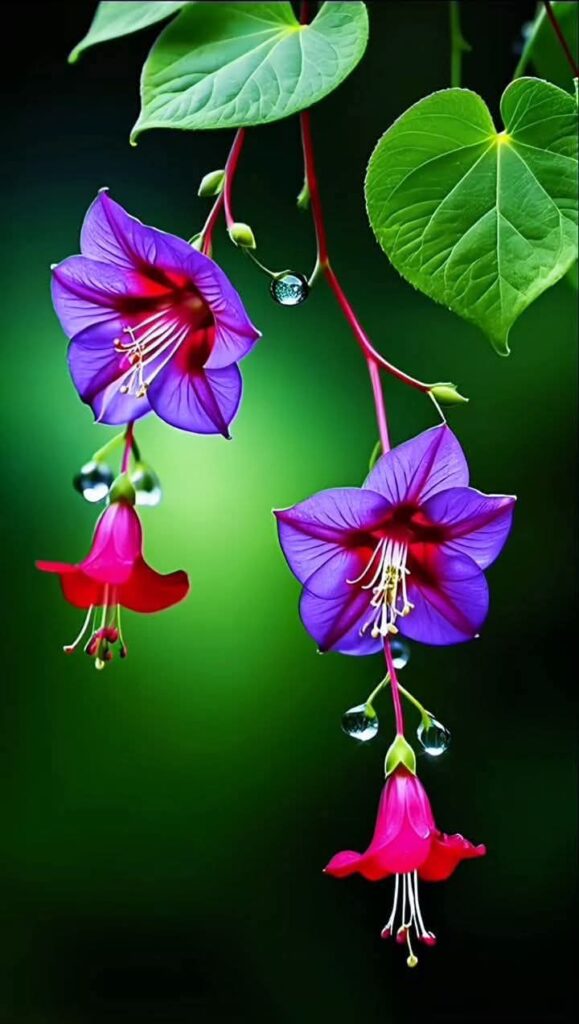

Beauty: An Introduction:
Beauty is a multi-dimensional concept, perceived differently across cultures, societies, and individuals. It transcends mere physical appearance and encompasses inner virtues, behavior, intellect, and spiritual radiance. In essence, true beauty is a harmonious balance between body, mind, and soul.
Physical (External) Beauty
This refers to visible attributes such as facial features, body structure, complexion, and grooming.
Natural
Glowing skin, expressive eyes, a charming smile, and healthy hair reflect natural beauty.
Health and Lifestyle:
Ayurveda emphasizes that a healthy lifestyle, proper diet, daily routines (Dinacharya), oil massages (Abhyanga), and herbal support preserve external beauty.
Cosmetic Enhancement:
In the modern world, makeup, skincare, hairstyles, and fashion trends play a major role in enhancing perceived beauty.
Inner (Psychological)
Qualities like kindness, compassion, empathy, humility, and positive thinking contribute to inner beauty.
Character and Behavior:
A compassionate, truthful, and humble person is often perceived as beautiful regardless of appearance.
Ayurveda describes Ojas—the essence of vitality and purity—as the source of radiance that manifests as inner glow.
Intellectual
Wisdom, clarity of thought, creativity, and problem-solving ability form the core of intellectual beauty.
Mental Attractiveness: Confidence in speech, depth in thought, and sensitivity to others’ emotions are intellectually appealing.
Love for Arts and Literature: Appreciation of music, poetry, philosophy, and art enhances one’s aesthetic and intellectual charm.
Social
Relationship Harmony: Positive, respectful, and understanding relationships reflect one’s social beauty.
Humanitarianism: Acts of service, generosity, and empathy toward society add depth to a person’s beauty.
Spiritual
Spiritual Consciousness: Devotion, meditation, moral conduct, and inner peace reflect spiritual beauty.
Yogic Perspective:
According to yoga philosophy, self-realization and inner stillness bring about a divine beauty that surpasses physical traits.
Beauty in Ayurveda
Balance of Doshas:
Health and beauty are sustained by the balance of Vata, Pitta, and Kapha.
Ojas as the Essence of Beauty: Ojas is the vital essence that gives the body vitality, glow, and resilience.
Rasayana Therapy:
Ayurvedic rejuvenation therapies with herbs like Brahmi, Shatavari, and Chyawanprash enhance longevity and beauty.
Seasonal and Daily Routines:
Observing Ritucharya and Dinacharya protects natural beauty and slows aging.
Influence of Media and Society
Cultural Ideals
Media often sets unrealistic beauty standards which may lead to pressure and low self-esteem, especially among youth.
Positive and Negative Impact: While admiration of beauty can inspire self-care, comparison or obsession with perfection can cause anxiety and dissatisfaction.
The Changing Nature of Beauty
Time-Based Variation: Beauty standards change with eras—what was considered beautiful centuries ago may not be today.
Cultural Diversity:
Each society defines beauty uniquely—what is admired in one culture may differ in another.
Conclusion
True beauty is not confined to appearance but is a reflection of health, kindness, intellect, and soul. As Ayurveda states, “One who is healthy and balanced is truly beautiful.” Thus, inner harmony, mindful living, and a compassionate heart are the real foundations of beauty.
Beauty: A Holistic Experience of the Universe and Nature
A Philosophical, Scientific, Ayurvedic, and Spiritual Perspective
Introduction
Beauty is not merely what pleases the eye—it is what touches the soul, awakens the heart, and enlightens the mind. It is the harmony of the universe, the rhythm of nature, the balance of life, and the brilliance of consciousness. Beauty exists in forms, in silence, in movement, in sound, and in stillness. It gives meaning to life and depth to existence.
Cosmic Beauty
Astronomical Beauty
The vastness of the universe, the symmetrical dance of planets, the birth and death of stars, solar and lunar eclipses—all portray a grandeur that transcends human imagination. Nebulae, galaxies, and cosmic dust captured by space telescopes exhibit visual artistry that feels divine.
Mathematical Harmony
The cosmos operates through perfect mathematical precision—gravity, relativity, quantum mechanics—all governed by a silent, invisible order. This numerical beauty reflects the structural elegance of existence.
Natural Beauty
Landscapes and Seasonal Aesthetics
Snow-capped mountains, endless oceans, cascading waterfalls, golden deserts, and green forests—each landscape is a painting by nature. The blossoming of spring, the fragrance of monsoon soil, the clarity of autumn skies, and the fog of winter all offer seasonal experiences of beauty.
The Living World
From the intricate patterns on a butterfly’s wings to the elegance of a deer in motion, the natural world expresses a silent, breathing artistry. Flowers, trees, birds, and animals all reflect beauty through form, function, and harmony.
Beauty in Sound and Rhythm
The whisper of wind, the murmur of rivers, the rhythm of rainfall, and the melodies of birdsong form a soundscape of nature’s music. Vedic philosophy declares Nāda Brahma—“Sound is Divine.” This reveals that beauty vibrates through sound, energy, and resonance.
Human Beauty
Physical and Physiological Beauty
The human body itself is a miracle—its symmetry, movement, organ systems, and subtle functions reflect nature’s engineering marvel. According to Ayurveda, true physical beauty is the result of internal balance, strong digestion, and the radiance of Ojas (vital essence).
Intellectual and Emotional Beauty
Compassion, truthfulness, humility, and mindfulness embody inner beauty. Thoughtful speech, wise actions, and positive intent elevate one’s aura and influence.
Spiritual Beauty
Sanatana Wisdom
The Upanishads state: “Satyam Shivam Sundaram”—Truth is auspicious, and that is beauty. True beauty lies in self-realization, in unity with nature, in alignment with dharma (cosmic order).
Yogic Experience
Through yoga and meditation, one experiences deeper levels of beauty—from the awakening of chakras to the expansion of consciousness. Silence, presence, and awareness lead to spiritual radiance that outshines physical appearance.
Beauty and Consciousness
Beauty ultimately resides in perception and awareness. While some see a forest as mere trees, others perceive divine symmetry and sacred rhythm. Poets, scientists, sages, and artists all explore beauty through their unique lens. It is a bridge between the material and the mystical, the external and the eternal.
Conclusion
Beauty is not confined to a shape, color, or idea. It is the wholeness of the cosmos, the dance of nature, the purity of heart, and the light of soul. When we live in alignment with the natural rhythms of the world, we do not just witness beauty—we become part of it.
As Ayurveda teaches: “A healthy, harmonious, and conscious life is the highest form of beauty”.



qu3tqk