
Table of Contents
Non-Stop working 5 organs in the Human Body: A Comprehensive Scientific and Ayurvedic Analysis
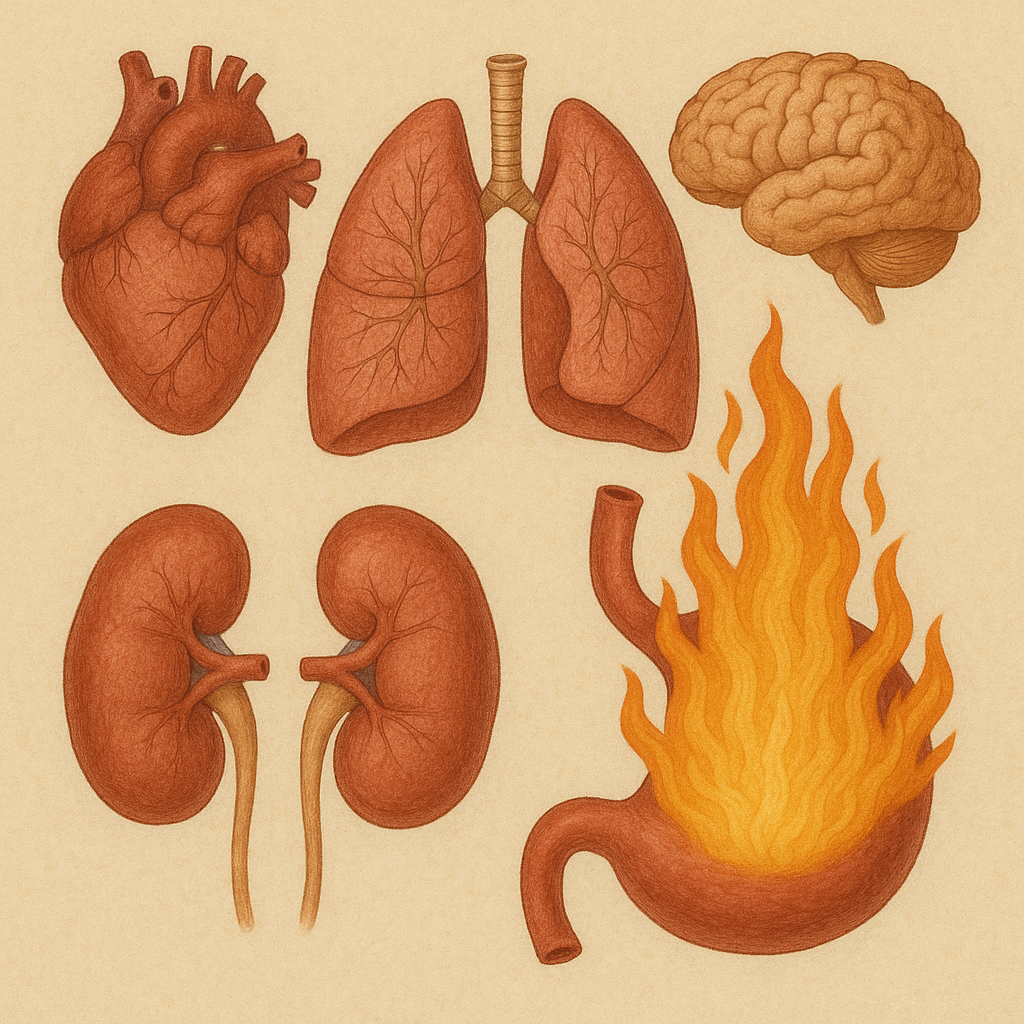
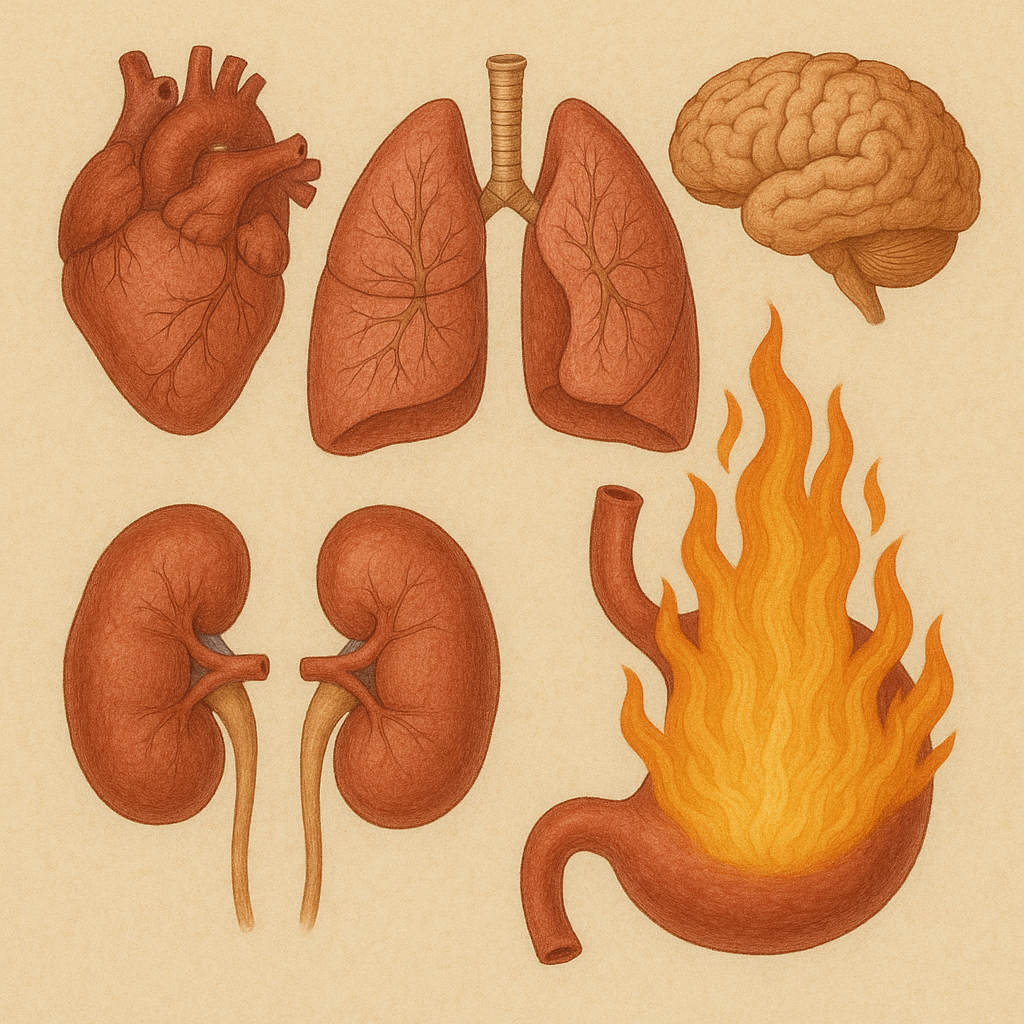
Non Stop Working 5 organs: An Introduction
The human body is a marvel of continuous biological activity. While some organs rest or alternate between active and passive states, certain organs work relentlessly — from birth to death — without a pause. These organs are vital for life and demand special attention in both modern science and Ayurveda.
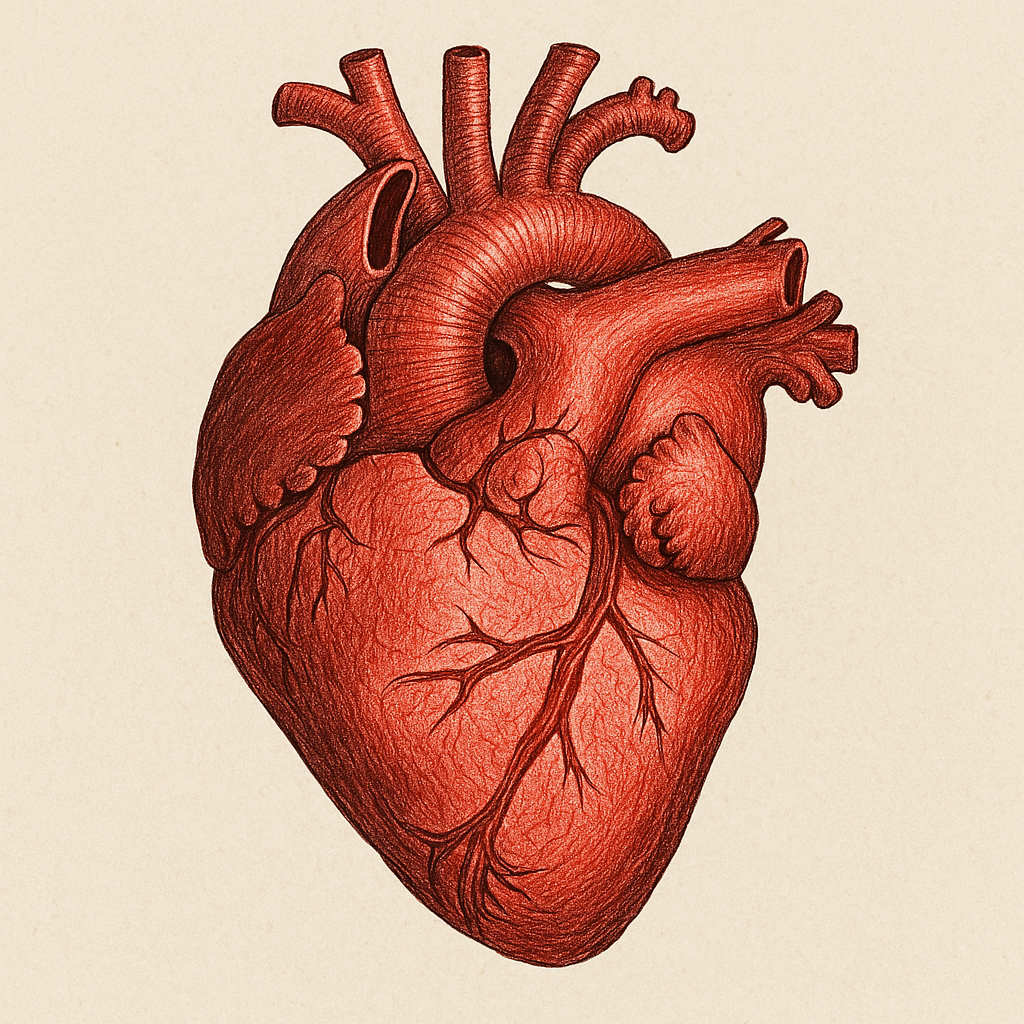
Heart-The Lifelong Pump

Function
The heart is a muscular organ that constantly pumps blood throughout the body. It beats approximately 100,000 times a day and circulates nearly 7,500 liters of blood daily.
Special Features
Continuous contraction and relaxation
Controlled by the autonomic nervous system
Functions even during sleep
Ayurveda Perspective
The heart (Hridaya) is central to the Raktavaha Srotas (circulatory channel). Its strength is vital for longevity. Ayurvedic herbs like Arjuna, Brahmi, and Ashwagandha are used to strengthen cardiac health.
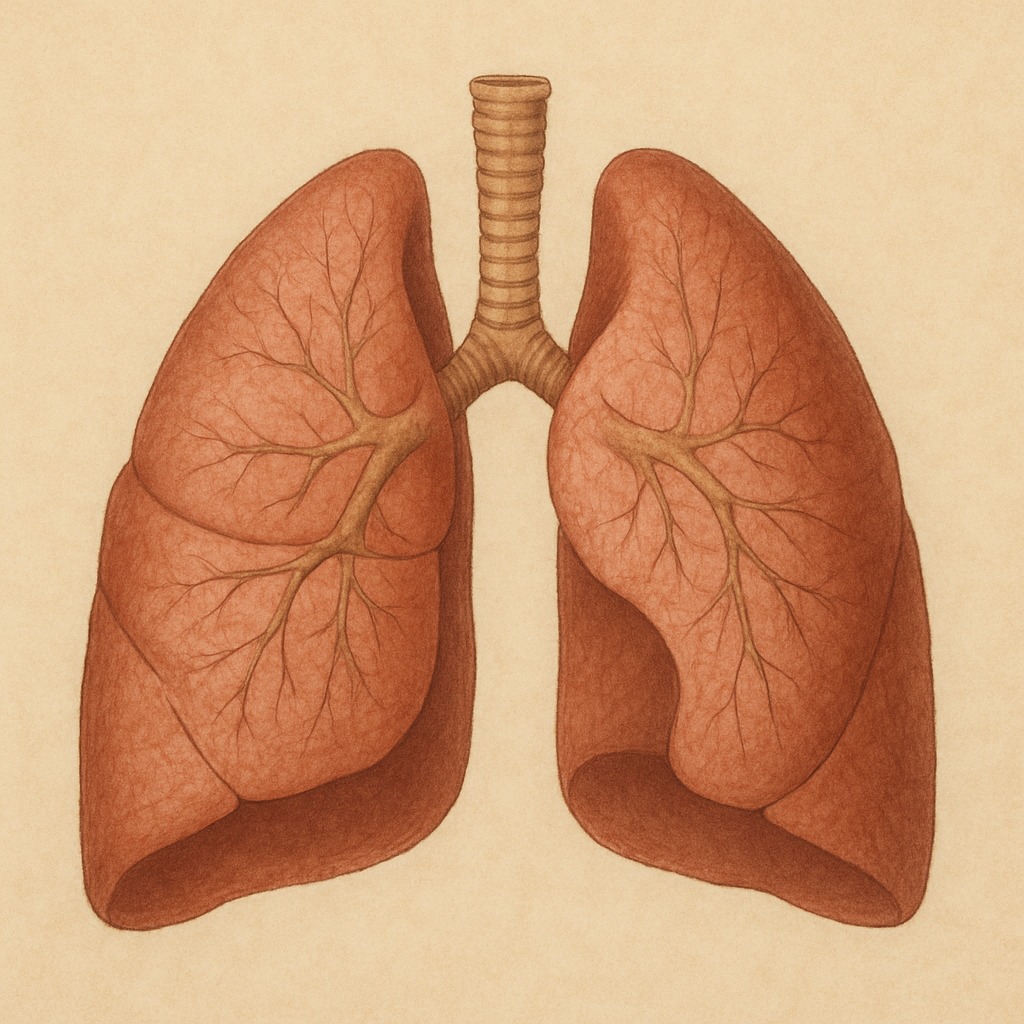
Lungs-The Breath of Life
Function
Lungs manage the exchange of gases, bringing in oxygen and releasing carbon dioxide — a process that starts with the first breath and ends at death.
Special Features
Around 22,000 breaths per day
Active during all states: rest, sleep, and activity
Ayurveda Perspective
Lungs are associated with Pranavaha Srotas. Herbs such as Tulsi, Vasa, and Pippali help support lung function and respiratory immunity. Pranayama is emphasized for regulation.
Brain-The Command Center
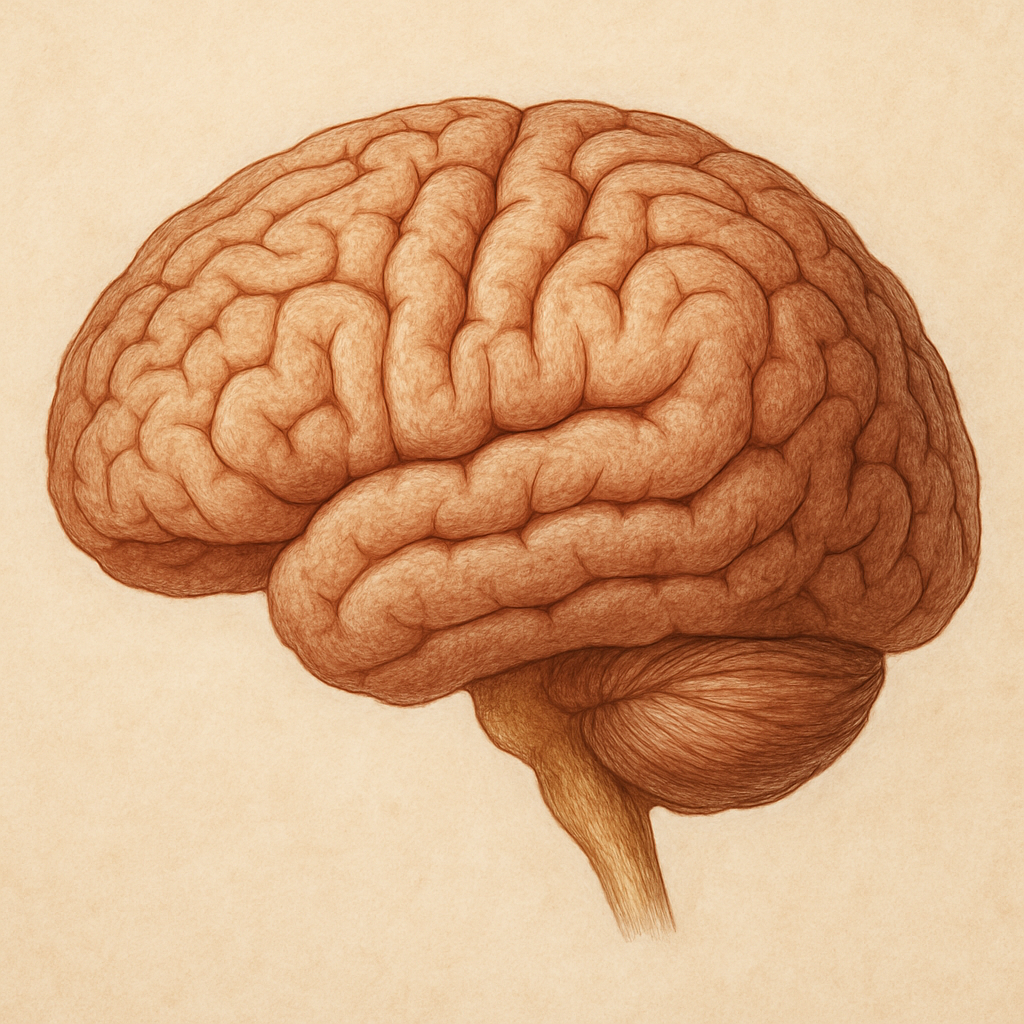
Function
The brain controls thoughts, emotions, movements, reflexes, hormone secretion, and even vital unconscious functions like heartbeat and breathing.
Special Features
Constant electrochemical activity
Active even during sleep (e.g., dreaming, memory processing)
Regulates body temperature, hunger, emotions
Ayurveda Perspective
The brain is the seat of Manas (mind) and Pragya (intellect). Herbs like Brahmi, Shankhpushpi, and Mandukaparni enhance cognition, memory, and mental calmness.
Liver-The Chemical Factory
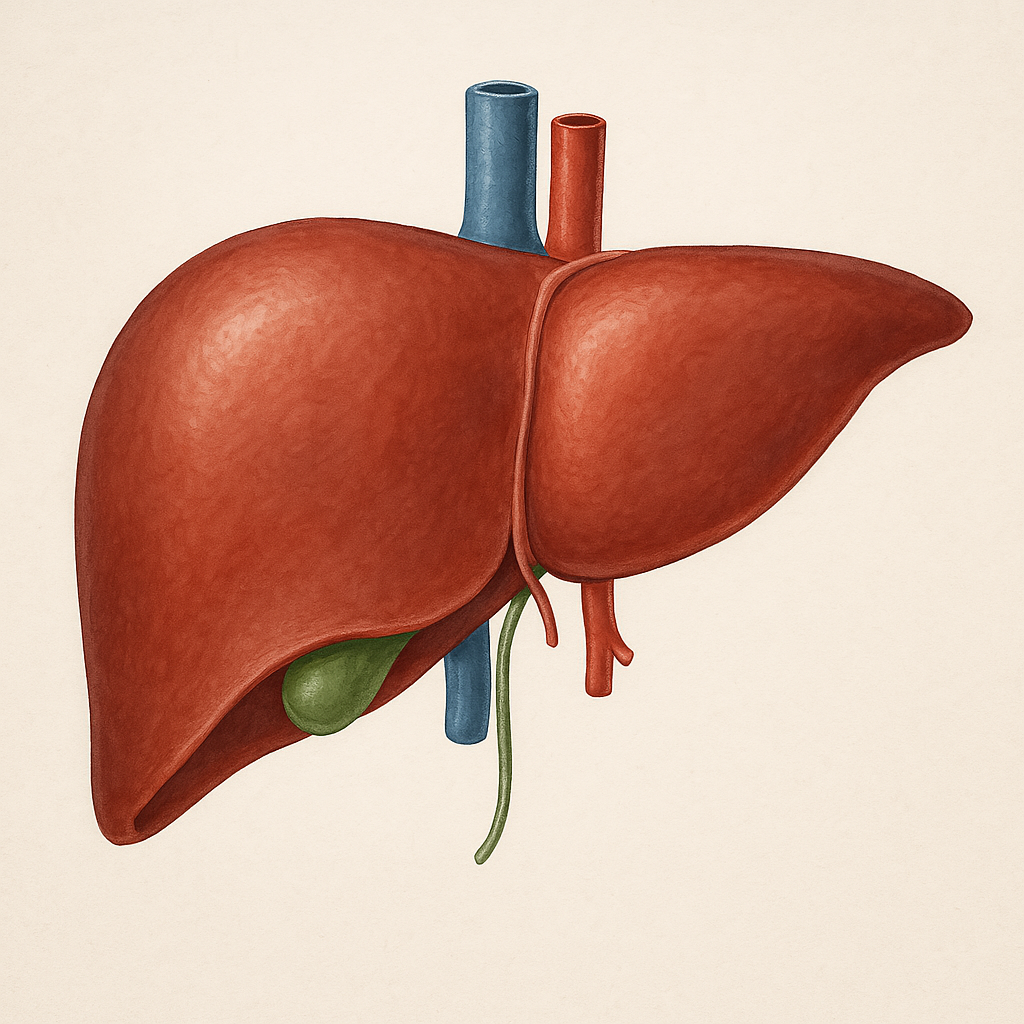
Function
The liver performs over 500 functions including detoxification, bile production, metabolism, blood filtration, and nutrient storage.
Special Features
24/7 detoxifier
Stores glycogen and vitamins
Can regenerate itself if damaged
Ayurveda Perspective
Known as Yakrit in Ayurveda, it is part of the Raktavaha Srotas. Herbs like Bhringraj, Punarnava, and Kalmegha are used to support liver detox and health.
Kidneys-The Natural Filters
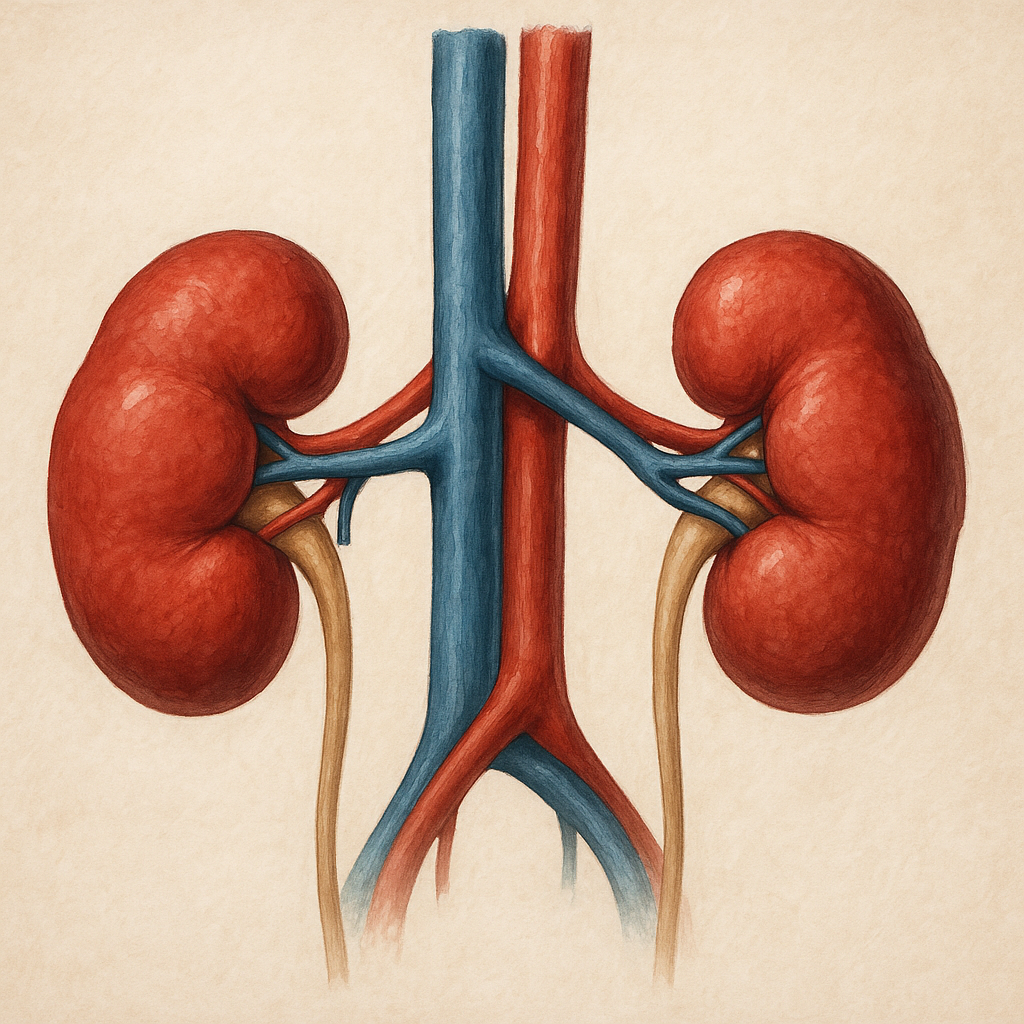
Function
Kidneys filter blood, remove waste, regulate fluid and electrolyte balance, and manage blood pressure.
Special Features
Filter around 50 liters of blood daily
Produce urine
Maintain acid-base homeostasis
Ayurveda Perspective
Kidneys are part of Mutravaha Srotas. Herbs such as Gokshura, Pashanabheda, and Varuna help in maintaining kidney health and preventing stone formation.
Digestive Fire (Agni)- The Metabolic Energy (Ayurveda-specific)
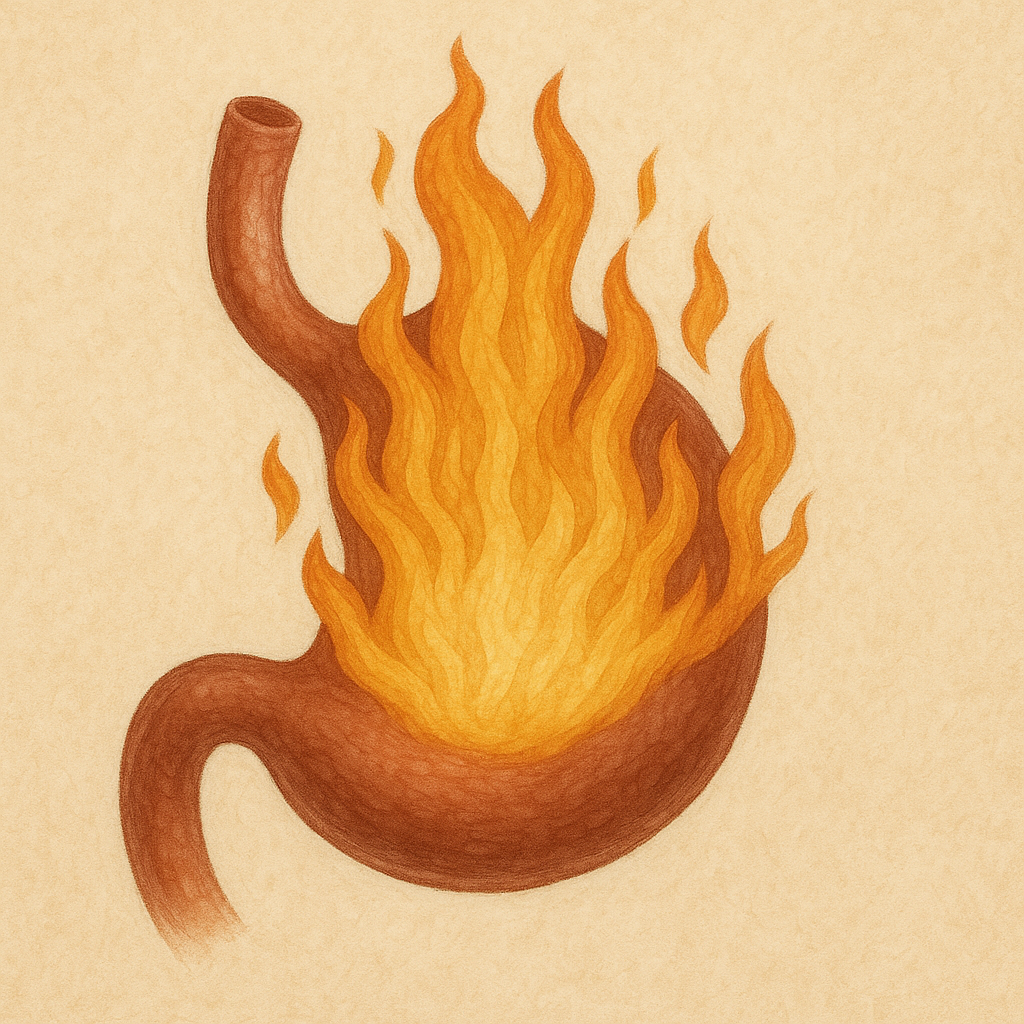
Function
Agni is the bio-digestive fire responsible for breaking down food, absorbing nutrients, and supporting immunity.
Special Features
Always active in digesting food and processing toxins
Vital for metabolism and vitality
Ayurveda Perspective
Agni is central to all health. When balanced, it ensures good digestion and immunity. It is enhanced through herbs like Trikatu, Ginger, and by practices like eating warm, light food and maintaining regular meal timings.
Conclusion
Certain organs like the heart, lungs, brain, liver, kidneys, and the digestive fire (Agni) work tirelessly without rest. Their continuous operation sustains life. Therefore, adopting a lifestyle that nurtures and protects these organs — through proper diet, rest, and Ayurvedic practices — is essential for health and longevity.
Final Message
“You cannot give rest to your non-stop organs, but you can lighten their burden with awareness, nourishment, and a balanced lifestyle.

Detailed Explain of all five non Stop Working Organs
Heart: The Central Organ of Life
Introduction
The human heart is a muscular organ that serves as the pump of the circulatory system. From the ancient Vedic perspective to modern biomedical science, the heart is not only seen as a physiological organ but also as a seat of emotions and consciousness. In Ayurveda, it is called “Hridaya”, a term derived from three roots: Hr (to receive), Da (to give), and Ya (to circulate), reflecting its central role in maintaining life.
Anatomical Structure
The human heart is:
About the size of a clenched fist.
Located in the thoracic cavity, between the lungs, slightly tilted to the left.
Enclosed by a protective sac called the pericardium.
Chambers and Valves
The heart has four chambers:
Right Atrium
Right Ventricle
Left Atrium
Left Ventricle
It contains four key valves to ensure unidirectional blood flow:
Tricuspid Valve
Pulmonary Valve
Mitral (Bicuspid) Valve
Aortic Valve
Blood Circulation
The heart functions in two main loops
Pulmonary Circulation
Right side of the heart pumps deoxygenated blood to the lungs.
Oxygenated blood returns to the left atrium.
Systemic Circulation
Left side of the heart pumps oxygen-rich blood to the body.
Deoxygenated blood returns to the right atrium.
Electrical System
The heart’s rhythm is controlled by its own electrical system:
Sinoatrial (SA) Node – natural pacemaker.
Atrioventricular (AV) Node
Bundle of His and Purkinje fibers – conduct impulses for synchronized contractions.
Heart in Ayurveda
In Ayurveda, Hridaya is one of the Trimarma (three vital organs: Heart, Brain, Urinary bladder). It governs:
Circulation (Vyana Vata)
Emotions (Sadhaka Pitta)
Vital energy (Ojas)
Hridaya’s Functions
Pranavaha Srotas Moolasthan (Root of respiratory channels)
Rasavaha and Raktavaha Srotas (Root of plasma and blood channels)
Seat of consciousness and intellect (Manas Sthana)
Common Heart Diseases
Hypertension (High blood pressure)
Atherosclerosis (Plaque buildup in arteries)
Myocardial Infarction (Heart attack)
Congestive Heart Failure
Arrhythmias (Irregular heartbeat)
Symptoms of Heart Disease
Chest pain or discomfort
Shortness of breath
Fatigue
Palpitations
Dizziness or fainting
Heart-Healthy Lifestyle (Ayurveda & Modern Tips)
Ayurvedic Recommendations
Dinacharya (Daily routine): Regular eating, sleeping, and exercise habits.
Meditation and Pranayama: Balances Sadhaka Pitta and Manas Doshas.
Herbs: Arjuna, Pushkarmool, Guggulu.
Ojas-promoting foods: Milk, ghee, almonds, dates, saffron.
Modern Guidelines
Balanced diet (low saturated fat, high fiber)
Regular physical activity
No tobacco or alcohol
Stress reduction
Periodic check-ups (BP, lipid profile, ECG)
Symbolic & Emotional Role of Heart
Across cultures, the heart is symbolized as the seat of:
Love
Compassion
Wisdom
Moral conscience
In Yoga and Vedantic traditions, Anahata Chakra (heart chakra) is the fourth energy center associated with selfless love and emotional balance.
Conclusion
The heart is more than a mechanical pump—it is the integrative center of life, energy, and consciousness. An understanding of the heart through both modern science and Ayurveda leads to a holistic appreciation and better care for this vital organ. Preserving heart health requires a balance of physical, emotional, mental, and spiritual well-being.
Keywords: Heart, Hridaya, Circulation, Ayurveda, Cardiovascular Health, Ojas, Pranavaha Srotas, Anahata Chakra
The Lungs – Structure, Function, Disorders, and Ayurvedic Perspective
Introduction
The lungs are vital organs of the respiratory system responsible for the exchange of gases essential for life. They bring in oxygen from the atmosphere and expel carbon dioxide from the blood, making them central to the body’s metabolic function and overall vitality.
Anatomical Structure of the Lungs
Location:
The lungs are located in the thoracic cavity, on either side of the heart, protected by the rib cage.
Lobes and Division:
Right Lung: 3 lobes – Upper, Middle, and Lower
Left Lung: 2 lobes – Upper and Lower (smaller due to the position of the heart)
Each lung is covered by a two-layered membrane called the pleura.
Major Components:
Trachea (Windpipe): The main airway that leads to the lungs.
Bronchi and Bronchioles: The trachea divides into right and left bronchi, which branch into smaller bronchioles within each lung.
Alveoli: Tiny air sacs where gas exchange occurs.
Capillaries: Surround the alveoli to facilitate oxygen-carbon dioxide exchange.
Functions of the Lungs
Gas Exchange: Oxygen enters the blood and carbon dioxide is removed through the alveoli.
pH Regulation: The lungs help maintain the acid-base balance by removing CO₂.
Vocalization: Airflow through the larynx (voice box) produces sound.
Defense Mechanism: Mucus and cilia trap dust and pathogens and help expel them.
Filtration of Blood: Lungs can trap small blood clots and filter microbubbles.
Common Lung Disorders
Asthma: Chronic inflammation and narrowing of airways.
Chronic Obstructive Pulmonary Disease (COPD): Includes emphysema and chronic bronchitis.
Pneumonia: Infection of lung tissue.
Tuberculosis (TB): Bacterial infection caused by Mycobacterium tuberculosis.
Lung Cancer: Uncontrolled cell growth in lung tissues.
Pulmonary Fibrosis: Scarring of lung tissues affecting breathing.
Modern Medical Management
Medications: Inhalers (bronchodilators, corticosteroids), antibiotics.
Oxygen therapy: For patients with low oxygen saturation.
Pulmonary rehabilitation: Exercise, breathing training.
Surgery: In case of tumors or lung collapse (pneumothorax).
Vaccinations: Preventive measures for flu, pneumonia, TB.
Ayurveda Perspective on Lung Health
In Ayurveda, the lungs are part of the Pranavaha Srotas (respiratory channels), and disorders are classified under Shwasa Roga (respiratory diseases). Imbalance of Vata and Kapha doshas is considered the main cause.
Causative factors in Ayurveda:
Exposure to cold, dust, smoke
Heavy or incompatible food
Lack of exercise, irregular lifestyle
Ayurvedic Management:
Panchakarma: Especially Nasya (nasal therapy) and Basti (enema therapy)
Herbal Formulations:
Vasavaleha, Sitopaladi Churna, Talisadi Churna
Pushkaramoola, Kantakari, Pippali
Lifestyle & Diet:
Daily Pranayama (breathing practices)
Use of warm water and light food
Avoidance of cold, greasy, and heavy foods
Preventive Measures for Lung Health
Avoid smoking and passive smoke
Maintain indoor air quality
Perform regular breathing exercises (e.g., Anulom-Vilom, Bhastrika)
Consume anti-inflammatory foods (ginger, turmeric)
Stay hydrated
Use steam inhalation in case of congestion
Conclusion
The lungs are vital life-sustaining organs that not only enable breathing but also influence overall health and immunity. By combining modern respiratory medicine with Ayurvedic wisdom, lung health can be effectively preserved. A preventive lifestyle, clean environment, and conscious breathing are key to strong and healthy living.
The Kidneys – Structure, Functions, Disorders, and Ayurvedic Perspective
Introduction:
The kidneys are vital excretory organs responsible for purifying blood, regulating fluid and electrolyte balance, and producing urine. Located in the posterior abdominal cavity, they play a crucial role in maintaining homeostasis and overall well-being. Each human has two kidneys, shaped like beans, situated on either side of the spine just below the rib cage.
Anatomy of the Kidneys:
Size and Location:
Each kidney is about 10–12 cm long, 5–7 cm wide, and 3 cm thick.
The right kidney sits slightly lower than the left due to the presence of the liver.
Structural Components:
Renal Capsule: A tough outer covering.
Renal Cortex: The outer layer where filtration begins.
Renal Medulla: Inner portion with renal pyramids.
Renal Pelvis: Collects urine and funnels it into the ureter.
Ureter: Tube that carries urine to the bladder.
Functions of the Kidneys:
Excretory Function:
Filter blood to remove metabolic waste like urea and creatinine.
Form urine via nephrons – the functional units of kidneys.
Regulatory Function (Homeostasis):
Maintain fluid and electrolyte balance.
Regulate acid-base balance and blood pH.
Hormonal Function:
Erythropoietin: Stimulates red blood cell production.
Renin: Helps regulate blood pressure.
Calcitriol (Active Vitamin D): Regulates calcium absorption and bone health.
Common Kidney Disorders:
Acute Kidney Injury (AKI):
Sudden loss of kidney function due to shock, infections, or drugs.
Chronic Kidney Disease (CKD):
Gradual loss of kidney function over time, often due to diabetes or hypertension.
Nephrotic Syndrome:
Excess protein in urine, swelling (edema), and low blood protein.
Kidney Stones:
Hard deposits formed from minerals like calcium or uric acid.
Polycystic Kidney Disease (PKD):
Genetic disorder causing multiple cysts in the kidneys.
Tips for Maintaining Kidney Health:
Drink sufficient water daily.
Reduce salt intake and processed foods.
Manage blood pressure and blood sugar levels.
Avoid overuse of painkillers and NSAIDs.
Get routine tests: Creatinine, eGFR, urine analysis.
Ayurvedic Perspective on Kidneys:
Equivalent Term:
Kidneys are referred to as Vrikkas in Ayurveda and are part of the Mutravaha Srotas (urinary channels).
Involvement of Doshas:
Primarily related to Vata and Kapha imbalance.
Ayurvedic Therapies:
Panchakarma: Especially Basti (medicated enema) and Virechana (purgation).
Herbal Medicines: Punarnava, Gokshura, Varuna, Pashanabheda.
Diet: Light, digestible food; avoid excess salty, sour, or heavy items.
Lifestyle: Regular hydration, Dinacharya (daily routine), and seasonal detox.
Conclusion:
The kidneys are silent workhorses of the human body, tirelessly filtering blood and maintaining internal balance. Understanding their functions and taking preventive measures is vital for long-term health. An integrative approach combining modern nephrology with Ayurvedic wisdom offers a holistic path for prevention and management of kidney diseases.
The Brain
The brain is the most complex and vital organ in the human body, acting as the central command center for all bodily functions, emotions, thoughts, and behavior. It is a part of the central nervous system (CNS), which also includes the spinal cord.
Anatomy of the Brain
The brain is protected by the skull and surrounded by cerebrospinal fluid (CSF), which cushions and nourishes it. It weighs about 1.3 to 1.5 kilograms in adults and is divided into several major parts:
Cerebrum
Largest part, divided into two hemispheres (right and left).
Responsible for higher brain functions: thought, memory, emotion, and voluntary muscle movement.
Each hemisphere is further divided into lobes:
Frontal lobe: Reasoning, planning, problem-solving, speech, and motor function.
Parietal lobe: Sensory information like touch, temperature, and pain.
Temporal lobe: Auditory perception, memory, and speech.
Occipital lobe: Visual processing.
Cerebellum
Located under the cerebrum.
Controls coordination, balance, posture, and fine motor movement.
Brainstem
Connects brain with spinal cord.
Controls vital life functions: heartbeat, breathing, blood pressure, digestion.
Subdivided into:
Midbrain
Pons
Medulla oblongata
Diencephalon
Includes thalamus (sensory relay station) and hypothalamus (regulates hormones, temperature, hunger, and circadian rhythms).
Neurons and Neurotransmission
The brain contains about 86 billion neurons, which are the functional units that transmit electrical and chemical signals.
Neurons communicate through synapses, using neurotransmitters (e.g., dopamine, serotonin, acetylcholine).
Glial cells support and protect neurons.
Functions of the Brain
Sensory Processing
Receives input from eyes, ears, skin, etc., and interprets the information.
Motor Control
Controls voluntary movements via motor cortex and basal ganglia.
Cognition and Emotion
Processes thinking, reasoning, learning, memory, and emotions.
Limbic system (amygdala, hippocampus) plays a key role in emotions and memory.
Autonomic Functions
Regulates heart rate, breathing, body temperature, and endocrine functions via the hypothalamus and brainstem.
Language and Speech
Broca’s area (speech production) and Wernicke’s area (language comprehension) are critical for communication.
Brain Development
Begins in the embryo and continues postnatally through neurogenesis, synaptogenesis, and myelination.
Experiences and environment significantly shape brain development.
Brain and Diseases
Some common disorders include:
Stroke: Disruption of blood flow to the brain.
Alzheimer’s Disease: Progressive neurodegeneration leading to memory loss.
Parkinson’s Disease: Affects movement due to dopamine deficiency.
Epilepsy: Abnormal electrical activity causing seizures.
Brain Tumors: Can be benign or malignant.
Brain Health and Maintenance
Regular mental stimulation (reading, learning)
Physical exercise (improves blood flow)
Healthy diet (omega-3 fatty acids, antioxidants)
Stress management and adequate sleep
Avoiding harmful substances like alcohol and drugs
Brain in Ayurveda
According to Ayurveda:
The brain is the seat of Manas (mind), and is governed by Sattva, Rajas, and Tamas gunas.
Majja Dhatu (bone marrow) nourishes the brain.
Medhya Rasayanas like Brahmi, Shankhapushpi, and Mandukaparni support brain health.
Practices like Brahmamuhurta, Pranayama, and Dhyana (meditation) enhance mental clarity and stability.
Conclusion
The brain is not just a biological organ but a dynamic entity that shapes our perception, decision-making, and entire human experience. Protecting and nurturing brain health is essential for a fulfilling, productive, and conscious life.
The Digestive fires
“Jatharagni” (Digestive Fire)
Introduction
In Ayurveda, Agni (fire) is considered the foundation of life and health. Among its many forms, Jatharagni—the digestive fire located in the stomach and duodenum—is regarded as the primary force that governs digestion and metabolism. Charaka Samhita says, “Agni is the cause of life, complexion, strength, health, nourishment, luster, ojas, tejas, and prana.” Hence, understanding and maintaining Jatharagni is essential for health and disease prevention.
Definition of Jatharagni
The word “Jathara” refers to the stomach region, and “Agni” means fire. Together, Jatharagni is the biological digestive fire that digests food in the gastrointestinal tract. It initiates the transformation of food into absorbable nutrients, which are then further processed into body tissues.
Charaka Samhita states:
“Without Agni, there can be no life.”
Functions of Jatharagni
Primary Digestion:
It breaks down ingested food into absorbable essence (Ahara Rasa).
Regulation of Doshas:
A balanced Jatharagni maintains the harmony of Vata, Pitta, and Kapha doshas.
Tissue Formation (Dhatu Pushti):
It supports the sequential nourishment of the body’s seven tissues (Dhatus).
Metabolism & Immunity:
It governs metabolic activities and supports immunity (Ojas formation).
Types of Jatharagni
Ayurveda classifies Jatharagni into four types, depending on the dominance of Doshas:
Sama Agni (Balanced Fire):
Ideal digestion and absorption. Indicates Dosha balance.
Tikshna Agni (Sharp Fire):
Seen in Pitta-dominant individuals. Causes hyperacidity, frequent hunger, burning sensation.
Manda Agni (Weak Fire):
Common in Kapha types. Causes bloating, sluggish digestion, and heaviness.
Vishama Agni (Irregular Fire):
Linked to Vata imbalance. Digestion fluctuates-sometimes strong, sometimes weak.
Signs of Jatharagni Imbalance
Manda Agni (Low): Poor appetite, indigestion, heaviness, lethargy.
Tikshna Agni (Excessive): Overeating tendency, acidity, inflammation.
Vishama Agni (Irregular): Bloating, gas, unpredictable hunger.
Sama Agni (Balanced): Healthy hunger, digestion, elimination, and energy levels.
How to Improve Jatharagni Naturally
Drink Warm Water:
Aids digestion and detoxification.
Use Digestive Spices:
Ginger, cumin, black pepper, and ajwain stimulate digestion.
Avoid Overeating & Eating at Irregular Times:
Stick to fixed meal timings and avoid heavy meals at night.
Intermittent Fasting or Langhana Therapy:
Occasional light eating days or fasting enhances Agni.
Ayurvedic Formulations (Under Supervision):
Trikatu churna
Hingvashtak churna
Agnitundi vati
Lifestyle Recommendations from Ayurveda
Follow Dinacharya (daily routine) to align biological rhythms.
Perform regular physical activity, yoga, and pranayama.
Eat according to Ritucharya (seasonal regimen).
Avoid excessive stress; engage in meditation and spiritual practices.
Conclusion
Jatharagni is not just a digestive force but the central engine of health. If it is strong and balanced, the individual remains healthy, energetic, and disease-free. When Jatharagni is disturbed, it leads to Ama (toxins) accumulation, causing numerous diseases. Thus, Ayurveda places high emphasis on protecting and nurturing Jatharagni through proper diet, herbs, routine, and lifestyle.
References:
Charaka Samhita
Ashtanga Hridaya
Sushruta Samhita
Clinical Observations at Aatreya Aarogya Mandir & Research Center
“The Digestive Fire in Cells (Dhatuagni and Bhootagni): An Ayurvedic Perspective”
Introduction:
In Ayurveda, Agni (digestive fire) is regarded as the foundation of life and health. It governs all metabolic activities—from gross digestion to the cellular transformation of nutrients. Among the 13 types of Agni described in Ayurvedic texts, Bhootagni and Dhatuagni are the two key forms of subtle digestive fire functioning at the elemental and tissue levels, respectively. These fires are responsible for cellular nourishment, energy production, and tissue regeneration.
Classification of Agni in Ayurveda:
Ayurveda classifies Agni into three major types:
Jatharagni – The main digestive fire located in the stomach and intestines.
Bhootagni – The five elemental fires corresponding to the five Mahabhutas (Earth, Water, Fire, Air, Space).
Dhatuagni – The seven tissue fires that metabolize nutrients into respective body tissues (Dhatus).
Bhootagni – The Elemental Fires
Definition:
Bhootagni are the five types of digestive fire associated with each of the five great elements (Panchamahabhutas):
Prithvi (Earth)
Apas (Water)
Tejas (Fire)
Vayu (Air)
Akasha (Ether/Space)
Each elemental Agni acts on the corresponding elemental part of digested food.
Functions:
Once food is processed by Jatharagni, Bhootagni helps in transforming the elemental aspects of the digested food into forms that can be assimilated by body tissues.
Element Bhootagni Function
Prithvi Solid structure formation (bones, teeth)
Apas Fluid regulation (plasma, secretions)
Tejas Transformation, heat, energy (cellular metabolism)
Vayu Movement, circulation (nervous and circulatory systems)
Akasha Space for functioning, sound (cellular communication)
Cellular Role:
At the microscopic level, Bhootagni corresponds to molecular transformation within cells—comparable to enzymatic activity, oxidation, ion transport, and chemical modifications essential for cellular homeostasis.
Dhatuagni – The Tissue Fires
Definition
Dhatuagnis are the specific metabolic fires located within each of the seven Dhatus (body tissues):
Rasa (Plasma/Lymph)
Rakta (Blood)
Mamsa (Muscle)
Meda (Fat)
Asthi (Bone)
Majja (Bone marrow/Nerve tissue)
Shukra (Reproductive tissue)
Each Dhatuagni is responsible for converting the precursor nutrient into the respective tissue and by-products.
Functions of Each Dhatuagni:
Dhatu Dhatuagni Function Produces
Rasa Transforms digested essence into plasma Rakta, Breast milk, Oily secretions
Rakta Converts plasma into blood Mamsa, Pitta
Mamsa Forms muscle tissue Meda
Meda Produces fat tissue Asthi
Asthi Builds bone Majja
Majja Nourishes marrow and nerves Shukra
Shukra Forms reproductive tissue Ojas (vital essence)
Cellular Role:
Dhatuagni is responsible for tissue-specific cellular functions—like protein synthesis, gene expression, mitochondrial ATP production, hormone release, and immune responses.
Interconnection Between Bhootagni and Dhatuagni:
Bhootagni transforms the elemental components of food into subtle forms usable by cells.
Dhatuagni then assimilates these forms to build and maintain tissues.
If Bhootagni is weak, nutrient transformation becomes faulty, leading to poorly nourished Dhatus, and eventually, disease.
Effects of Imbalanced Agni
Agni Type Imbalance Symptoms Possible Disorders
Bhootagni Gas, bloating, food intolerance IBS, allergies, malabsorption
Dhatuagni Weakness, tissue degeneration Anemia, muscle wasting, infertility
Ayurveda Strategies to Balance Agni
Following Dinacharya (daily routine)
Eating Satmya (wholesome, suitable) and Ritucharya (seasonal) diets
Practices like Abhyanga (oil massage), Yoga, and Pranayama
Use of Agni-enhancing herbs – like Trikatu, Hingvashtaka, Pippali, Ginger
Mental calmness through meditation and sattvic lifestyle
Conclusion
Bhootagni and Dhatuagni represent the subtle metabolic fires that ensure transformation, assimilation, and nourishment at the cellular level. Together, they maintain tissue integrity, immunity, energy, and overall vitality. Balanced Agni equals robust health; hence, preserving and nurturing these internal fires through Ayurveda lifestyle is the key to long life and well-being.
References:
Charaka Samhita – Sutrasthana
Sushruta Samhita – Sharirasthana
Ashtanga Hridayam – Sutrasthana
Dr. R.H. Singh (BHU), Ayurvedic Physiology
Vaidya Bhagwan Dash, Concept of Agni in Ayurveda
Clinical Observations at Aatreya Aarogya Mandir & Research Center
Non Stop Working 5 Organs Non Stop Working 5 Organs Non Stop Working 5 Organs Non Stop Working 5 Organs Non Stop Working 5 Organs Non Stop Working 5 Organs Non Stop Working 5 Organs Non Stop Working 5 Organs Non Stop Working 5 Organs Non Stop Working 5 Organs Non Stop Working 5 Organs Non Stop Working 5 Organs Non Stop Working 5 Organs Non Stop Working 5 Organs Non Stop Working 5 Organs Non Stop Working 5 Organs Non Stop Working 5 Organs


juz0by
6js0eh