


Table of Contents
Ama – The Undigested Food Essence
Origin (The Toxic Undigested Substance in Ayurveda Digestive Physiology)
“शोधनं शमनं चेति समासादौषधं द्विधा ॥ (अ.हृ.सू. 1/25)”
Medicines are classified into two types: Sadhana (purificatory, cleansing the body) and Shamana (palliative, pacifying symptoms).
“दोषाः कदाचित् कुप्यन्ति जिता लङ्घनपाचनै।
ये तु संशोधनैः शुद्धाः न तेषां पुनरुद्भव ॥ (च.सू. 16/20)”
Doshas can sometimes be pacified by Langhana (fasting/lightening) or Pachana (digestive measures). But once purified through Shodhana (emesis, purgation, etc.), the Doshas never reappear.
According to Charaka Samhita:
If Doshas are slightly aggravated, Langhana (like fasting) dries them up. If moderately aggravated, they are controlled by Langhana–Pachana. But if excessively aggravated, then Shodhana (Vamana, Virechana, etc.) becomes essential.
“आमेन तेन सम्पृक्ता दोषा दूष्याश्च मूर्च्छिताः।
सामा इत्युपदिश्यन्ते ये च रोगास्तदुद्भवाः॥ (अ.हृ.सू. 13/27)”
When Doshas and Dhatu are mixed with The Toxic Undigested Substance in Ayurveda Digestive Physiology, they are termed Sama. Diseases arising from them are called Sama Roga.
Synonyms
Ama – The Undigested Food Essence, Ama, Amavisha, Amaanna, Amadosha आम आमविष आमदोष आमअन्न The Toxic Undigested Substance in Ayurveda Digestive Physiology, Autoimmune Factor, Biological Inflammatory Factor, The Toxic Undigested Food Essence in Ayurveda Digestive Physiology
Relation with Agni
Sushruta describes the different functions of Pachaka Agni (digestive fire):
Pachaka Agni (Jatharagni) – Located in the stomach and intestine, digests food into four forms and regulates Dosha–Mala–Mutra–Purisha.
Ranjaka Agni (in Liver/Spleen) – Provides color to blood.
Sadhaka Agni (in Heart) – Supports fulfillment of mental desires and aspirations.
Aalochaka Agni (in Eyes) – Helps perceive visual forms.
Bhrajaka Agni (in Skin) – Gives luster, unctuousness, and digests oils/medications applied externally.
Definition
“रोगाः सर्वेऽपि मन्देग्नौ सुतरामुदराणि तु ।
अजीर्णान्मलिनैश्चान्नैर्जायन्ते मलसञ्चयात् ॥ (सु.सू. 12/1)”
All diseases, particularly abdominal disorders, arise due to weak Agni, undigested food, and accumulation of waste products.
“जठरानल दौर्बल्यादविपक्वस्तु यो रसः।
स आमसंज्ञको देहे सर्वदोषप्रकोपणः॥ (मधुकोष)”
The improperly processed Rasa produced due to weak Jatharāgni is called The Toxic Undigested Substance in Ayurveda Digestive Physiology, which aggravates all Doshas.
“दुष्यत्यग्ग्रिः, स दुष्टोऽन्नं न तत्पचति लघ्वपि।
अपच्यमानं शुक्तत्वं यात्यन्नं विषरुपताम् ॥ (च.चि. 15/44)”
When Agni is impaired, even light food does not get digested. The undigested food ferments, becoming sour and toxic like poison.
Different States
When Agni is weak, the uncooked essence remains in the stomach, termed The Toxic Undigested Aahara Rasa in Ayurveda Digestive Physiology .
It causes foul smell, sliminess, heaviness, and laziness.
When combined with Doshas, it produces various diseases.
Food Toxin (Anna Visha)
Undigested food acts like poison.
It gives rise to conditions like Amlapitta, Kṣhaya, Pliha Roga, Madhumeha, Mutra Roga, Kapha -Vata disorders, Rasa Dhatu–related diseases and many more.
Causes
Fasting or irregular diet.
Eating again in the state of indigestion.
Incompatible, irregular, heavy, cold, dry, or contaminated food.
Improper use of Vamana or Virechana.
Debilitating diseases.
Foods against place, season, or time.
Suppression of natural urges.
Symptoms of The Toxic Undigested Food Essence –toxin
Constipation, laziness.
Headache, fainting, giddiness.
Backache, lumbago.
Yawning, body ache.
Thirst, fever, vomiting, diarrhea.
These are the classical symptoms of serious food-toxin (The Toxic Undigested Substance in Ayurveda Digestive Physiology Dosha).
Sama – Nirama Dosha
Sama Dosha (with ): Obstruction of channels, weakness, heaviness, laziness, indigestion, sleepiness, anorexia, bitter taste.
Nirama Dosha (without ): Opposite signs—lightness, good digestion, increased strength.
Sama – Nirama Vata, Pitta, Kapha
Sama Vata: Constipation, abdominal sounds, pain, stiffness, swelling.
Nirama Vata: Purified, less painful, normal condition.
Sama Pitta: Foul smell, greenish-black color, sourness, heaviness.
Nirama Pitta: Bright yellow, hot, palatable, strengthening.
Sama Kapha: Sticky, foul-smelling, heavy, thick phlegm.
Nirama Kapha: Light, frothy, without foul smell.
Sama -Nirama in Dhatu
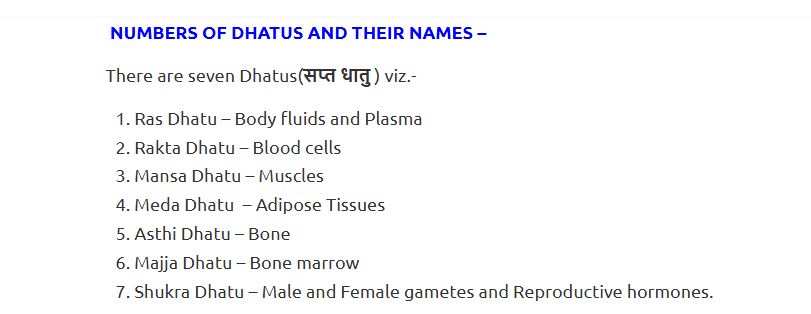
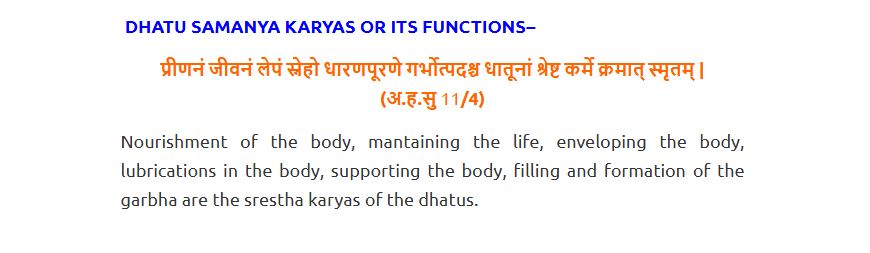
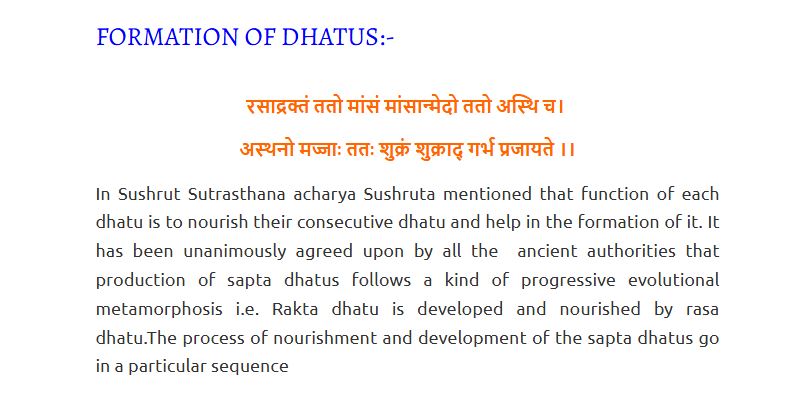
It enters all Dhatu – Rasa, Rakta, Mamsa, Meda, Asthi, Majja and Shukra – producing diseases:
Sama Rasa Dhatu: Loss of appetite, anorexia, drowsiness, anemia, fever.
Sama Rakta Dhatu: Skin disorders, erysipelas, anemia, jaundice, abscesses, bluish patches.
Sama Mamsa Dhatu: Tumors, glandular swellings, abnormal flesh growth.
Sama Meda Dhatu: Diabetes, obesity, lipoma, goiter.
Sama Asthi Dhatu: Tooth–bone pain, hair and nail disorders.
Sama Majja Dhatu: Vertigo, fainting, eye diseases.
Sama Shukra Dhatu: Infertility, impotence, sexual weakness.
Sama – Nirama in Mala (Excreta)
Sama Purisha: Heavy, foul-smelling, sinks in water.
Nirama Purisha: Light, floats in water, odorless.
Sama Mutra: Causes urinary and abdominal diseases.
Treatment
“आम प्रदोषजानां पुनर्विकाराणामपतर्पणेनैव परमो भवति ॥ (च.वि. 2/13)”
The chief treatment of this toxin-related diseases is Apatarpana (depleting/lightening therapy).
Apatarpana is of three kinds:
Langhana (fasting/lightening).
Langhana – Pachana (light diet and digestive medicines).
Dosha – Avasecana (purificatory therapies like Vamana–Virechana).
For mild Dosha → Langhana.
For moderate Dosha → Langhana – Pachana.
For severe Dosha → Shodhana.
Caution: Shodhana should not be done in unsuitable conditions.
According to Yogaraṭnakara:
The Toxic Undigested Substance in Ayurveda Digestive Physiology can be conquered by Langhana, warm drinks, light food, soups with bitter–pungent taste, Svedana (sudation), Pachana, and Shodhana to expel it from both upper and lower tracts.
An Academic Review
Introduction
In Ayurveda, Anna Visha is considered a central pathogenic factor in the manifestation of many diseases. It is the product of impaired digestion and metabolism due to weakened Agni (digestive fire). Poor quqlity digestion acts like a toxin, obstructing channels (Shrota), disturbing normal physiology, and leading to disease formation.
Definition
“जठरानल दौर्बल्यादविपक्वस्तु यो रसः।
स आमसंज्ञको देहे सर्वदोषप्रकोपणः॥ (मधुकोष)”
The improperly processed essence (Rasa) produced due to weak digestive fire is called The Toxic Undigested food essence in Ayurveda Digestive Physiology, which aggravates all Doshas.
“दुष्यत्यग्ग्रिः, स दुष्टोऽन्नं न तत्पचति लघ्वपि।
अपच्यमानं शुक्तत्वं यात्यन्नं विषरुपताम् ॥ (च.चि. 15/44)”
When Agni is impaired, even light food is not digested. The undigested food ferments, becoming sour and toxic like poison.
Etiology (Nidana)
The inadequately digested food essence Dosha develops due to:
Irregular or improper diet (heavy, cold, dry, contaminated).
Eating in indigestion.
Fasting or overeating.
Improper use of Shodhana (Vamana, Virechana).
Weakness due to disease.
Seasonal and regional incompatibility of food.
Suppression of natural urges (Vega Dharana).
Pathogenesis (Samprapti)
“आमेन तेन सम्पृक्ता दोषा दूष्याश्च मूर्च्छिताः।
सामा इत्युपदिश्यन्ते ये च रोगास्तदुद्भवाः॥ (अ.हृ.सू. 13/27)”
Dosha and Dhatu mixed with poor quality digestion of food essence are termed Sama, and the diseases arising from them are called Sama Roga.
Stages of Pathogenesis:
Weakening of Agni.
Production of uncooked essence (The Toxic Undigested Aahara Rasa in Ayurveda Digestive Physiology).
Obstruction of channels and mixing with Dosha.
Development of Sama Dosha, Sama Dhatu and disease manifestation.
Clinical Features (Lakshana)
General Symptoms
Constipation, heaviness, laziness.
Headache, fainting, giddiness.
Backache, body ache, yawning.
Fever, vomiting, diarrhea.
Sama vs Nirama Dosha
Sama Dosha (with The Toxic Undigested Aahara Essence in Ayurveda Digestive Physiology): heaviness, anorexia, bitter taste, sleepiness, indigestion.
Nirama Dosha (without The Toxic Undigested Aahara Essence in Ayurveda Digestive Physiology): lightness, good digestion, increased strength.
Sama–Nirama in Doshas
Sama Vata: constipation, abdominal noise, stiffness, pain.
Sama Pitta: foul smell, greenish-black color, sourness.
Sama Kapha: sticky, foul, heavy phlegm.
Sama Dhatu Involvement
Rasa Dhatu: anorexia, fever, anemia.
Rakta Dhatu: skin disorders, jaundice, eruptions.
Mamsasa Dhatu: tumors, glandular swellings.
Meda Dhatu: obesity, diabetes, goiter.
Asthi Dhatu: bone and teeth pain.
Majja Dhatu: vertigo, eye disorders.
Shuukra Dhatu: infertility, impotence.
Diagnosis (Sama–Nirama Concept)
Diagnosis in Ayurveda differentiates whether the disease is in Sama (associated with Anna Visha) or Nirama (without Anna Visha) stage. This distinction is essential for planning appropriate treatment.
Treatment
“आम प्रदोषजानां पुनर्विकाराणामपतर्पणेनैव परमो भवति ॥ (च.वि. 2/13)”
The best treatment for The Toxic Undigested Substance in Ayurveda Digestive Physiology-induced disorders is Apatarpana (depleting/lightening therapy).
Principles:
Langhana (fasting/lightening measures) for mild Dosha.
Langhana – Pachana (light diet and digestive medicines) for moderate Dosha.
Shodhana (purificatory therapies like Vamana, Virechana) for severe Dosha.
Caution: Shodhana should not be done in unsuitable conditions.
Practical Guidelines (Yogaratnakara):
It should be managed with fasting, warm drinks, light food, bitter–pungent soups, sudation (Svedana), digestion-promoting herbs, and expelling therapies (both upward and downward).
Conclusion
It is a unique Ayurveda concept comparable to “toxic metabolic waste” or “food toxin.” It arises from impaired digestion and metabolism, obstructs channels, and produces various diseases. The differentiation between Sama and Nirama stages is crucial for successful treatment. The primary line of management is Apatarpana—lightening, digesting, and purifying therapies depending on the severity.
An Academic Review with Modern Correlations
Introduction
Ayurveda emphasizes that health depends upon a balanced state of Agni (digestive fire). Impaired digestion leads to the production of The Toxic Undigested Food Essence in Ayurveda Digestive Physiology—a toxic, undigested, sticky substance that obstructs normal physiology and becomes the root cause of many diseases. Modern biomedical science finds parallels in metabolic toxins, endotoxins, leaky gut syndrome, and oxidative stress.
Definition
“जठरानल दौर्बल्यादविपक्वस्तु यो रसः।
स आमसंज्ञको देहे सर्वदोषप्रकोपणः॥ (मधुकोष)”
The improperly processed essence (Rasa) produced due to weak Jatharagni is called The Toxic Undigested Food Essence in Ayurveda Digestive Physiology, which aggravates all Doshas.
Modern correlation: This resembles toxic metabolites, undigested food particles, or endotoxins resulting from poor digestion and malabsorption.
Etiology (Nidana)
Main causes
Irregular diet (junk food, overeating, heavy/fried foods).
Eating during indigestion.
Suppression of natural urges.
Improper use of Panchakarma.
Seasonal and regional dietary incompatibility.
Modern correlation:
Overeating, fast food, and irregular meals → insulin resistance, dysbiosis.
Suppressed urges → gut motility disorders.
Weak immunity and infections → leaky gut, microbial endotoxins.
Pathogenesis (Samprapti)
“आमेन तेन सम्पृक्ता दोषा दूष्याश्च मूर्च्छिताः।
सामा इत्युपदिश्यन्ते ये च रोगास्तदुद्भवाः॥ (अ.हृ.सू. 13/27)”
Doshas and Dhatu mixed with The Toxic Undigested Substance in Ayurveda Digestive Physiology are termed Sama, and diseases arising from them are called Sama Roga.
Stages:
Weak digestion (Mandagni).
Production of half-digested Ama Rasa.
Channel obstruction.
Mixing with Doshas → disease.
Modern correlation:
Impaired digestion → gut dysbiosis.
Ama accumulation → leaky gut & systemic inflammation.
Channel obstruction → atherosclerosis, metabolic syndrome, autoimmune disorders.
Clinical Features (Lakṣaṇa)
General Symptoms
Loss of appetite, heaviness, lethargy.
Headache, dizziness, constipation.
Fever, vomiting, diarrhea.
Modern correlation:
Chronic fatigue, irritable bowel syndrome (IBS), metabolic endotoxemia, systemic inflammation.
Sama vs Nirama Dosha
Sama Dosha: heaviness, anorexia, bad taste in mouth.
Nirama Dosha: lightness, improved digestion.
Modern correlation:
Sama stage = active inflammation, toxin load.
Nirama stage = recovery, improved metabolism.
Dhatu Involvement
Sama Rasa: loss of appetite, anemia. → Malabsorption, anemia of chronic disease.
Sama Rakta: skin disease, jaundice. → Eczema, psoriasis, hepatitis.
Sama Meda: obesity, diabetes. → Metabolic syndrome.
Sama Majja: vertigo, nervous disorders. → Neuro-inflammation, neuropathy.
Sama Shukra: infertility, impotence. → Low sperm quality, PCOS.
Treatment
“आम प्रदोषजानां पुनर्विकाराणामपतर्पणेनैव परमो भवति ॥ (च.वि. 2/13)”
The best treatment of The Toxic Undigested Substance in Ayurveda Digestive Physiology-related disorders is Apatarpana (depleting/lightening therapy).
Principles
Langhana (Fasting): clears toxins, similar to intermittent fasting.
Pachana (Digestive herbs): Deepana–Pachana drugs like Trikatu, Chitraka. → gut detox, improves enzyme activity.
Shodhana (Panchakarma): Vamana, Virechana, Basti. → Colon cleansing, detoxification, microbiome reset.
Practical Approach (Yogaratnakara)
It can be removed by fasting, warm drinks, light food, soups with bitter–pungent herbs, sudation (Svedana), and purification therapies.
Modern correlation:
Panchakarma and Langhana are parallel to detox therapies, gut cleanse, fasting-mimicking diets.
Deepana–Pachana = prokinetic and digestive enzyme enhancers.
Svedana = sweat therapy, detox through skin.
Conclusion
It represents toxic metabolic waste resulting from impaired digestion and weak Agni. It is the root cause of Sama stage diseases and can affect all Dhatu and Malas. Modern science parallels The Toxic Undigested Substance in Ayurveda Digestive Physiology with endotoxins, free radicals, leaky gut toxins, advanced glycation end products (AGEs), and inflammatory metabolites.
The Ayurveda management of it —through Langhana, Pachana, and Shodhana—aligns with modern principles of detoxification, gut microbiome regulation, fasting, and metabolism reset.
Please make a donation HERE.

Ama – The Undigested Food Essence Ama – The Undigested Food Essence Ama – The Undigested Food Essence Ama – The Undigested Food Essence Ama – The Undigested Food Essence Ama – The Undigested Food Essence Ama – The Undigested Food Essence Ama – The Undigested Food Essence Ama – The Undigested Food Essence Ama – The Undigested Food Essence Ama – The Undigested Food Essence Ama – The Undigested Food Essence Ama – The Undigested Food Essence Ama – The Undigested Food Essence Ama – The Undigested Food Essence Ama – The Undigested Food Essence Ama – The Undigested Food Essence Ama – The Undigested Food Essence Ama – The Undigested Food Essence Ama – The Undigested Food Essence


