

Table of Contents
Chlorination is one of the most widely used methods of water purification globally. Chlorine effectively kills bacteria, viruses, and other microorganisms, playing a vital role in preventing waterborne diseases. However, long-term consumption or exposure to chlorinated water has been associated with several health risks, as highlighted by various research studies.
Chlorinated Water: Health Hazards
This article explores the health hazards of chlorinated water from multiple perspectives:
Chemical Reactions and Formation of Toxic Byproducts
When chlorine reacts with natural organic matter present in water, it forms trihalomethanes (THMs) and haloacetic acids (HAAs)—chemical byproducts that are classified as carcinogenic (cancer-causing) by health authorities. The World Health Organization (WHO) has recognized the health risks associated with long-term exposure to these compounds.
Key health risks:
Bladder cancer
Several studies have shown an increased risk of bladder cancer in individuals who consume chlorinated water over extended periods.
Colon and rectal cancer
Some research has linked chlorinated water exposure to higher incidences of colon and rectal cancers.
Effects on the Skin
Bathing or swimming in chlorinated water can cause various skin issues:
Dryness and irritation: Chlorine strips the natural oils from the skin, leading to dryness and roughness.
Exacerbation of eczema and allergies: People with sensitive skin may experience allergic reactions or worsening of eczema.
Respiratory System Effects
Inhalation of chlorine vapors, especially in indoor swimming pools or poorly ventilated environments, may cause:
Asthma-like symptoms
Bronchospasm (tightening of airways)
Professional swimmers, pool workers, and frequent swimmers are particularly at risk of such respiratory issues.
Effects on Pregnant Women and Children
Some studies suggest that long-term consumption of chlorinated water by pregnant women may be linked to:
Increased risk of birth defects
Potential neurological impacts on the developing fetus
In children, chlorinated water exposure may contribute to:
Weakened immune function
Higher incidence of respiratory allergies and skin problems
Effects on the Digestive System
Chlorinated water may disrupt the balance of beneficial gut bacteria (gut microbiota), potentially leading to:
Digestive imbalances
Intestinal inflammation
Reduced probiotic populations in the gut
Other Long-term Effects
Emerging research points to possible additional long-term effects of chronic chlorine exposure, including:
Hormonal disruptions
Bioaccumulation of toxic substances in body tissues over time
Preventive Measures
Use activated carbon filters to remove chlorine from drinking water.
Allow water to stand exposed to air or sunlight to dissipate chlorine (partially effective).
Adopt alternative disinfection methods such as ozonation or UV irradiation where feasible.
Conclusion
While chlorination has significantly contributed to the reduction of infectious diseases through safe drinking water, its potential health hazards—especially from long-term exposure—cannot be overlooked. It is crucial to balance the benefits of water disinfection with strategies to minimize harmful byproducts and exposure risks.
Ensuring access to clean and safe water while reducing potential health hazards is a shared responsibility of policymakers, health professionals, and the public.
Traditional Water Purification Techniques in Nepal
Nepal, blessed with abundant water resources, has a long history of using various traditional techniques to make water safe for drinking. These methods evolved from local wisdom, practical needs, and cultural practices, using natural and readily available materials. Though simple, they reflect deep ecological understanding and community-based solutions.
Stone Spouts and Public Taps (Dhara, Pati-Pauwa System)

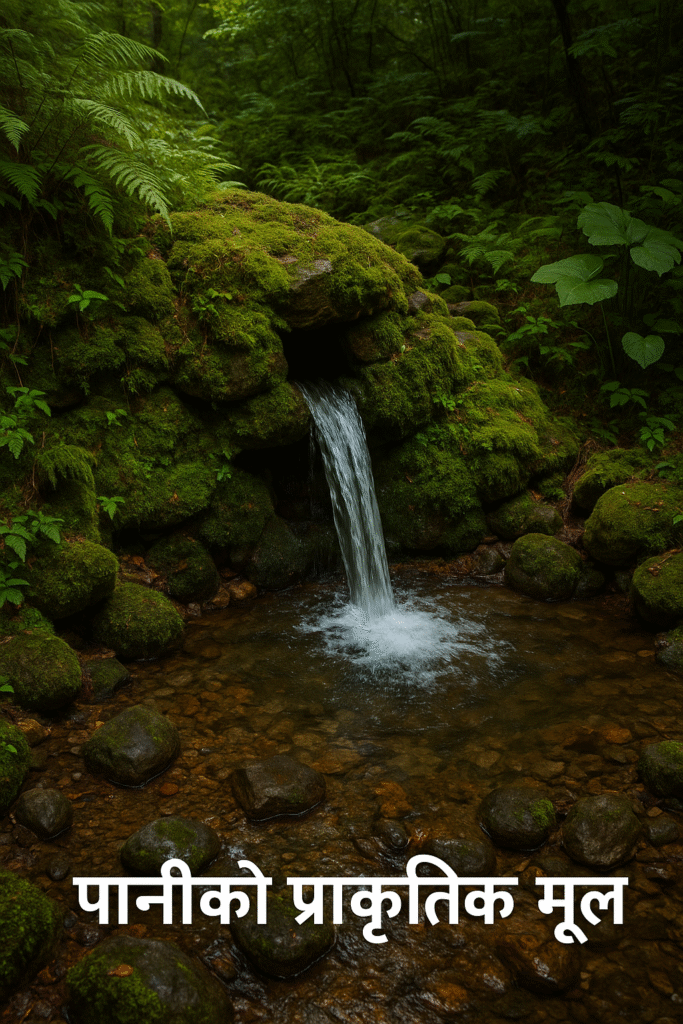
In the hilly regions of Nepal, people constructed stone spouts (dhara) and public rest stops with water (pati-pauwa). Water was channeled from natural springs through stone or clay pipelines into community spouts.
Stone-based filtering: Layers of stones, sand, charcoal, and gravel were used near the water source to remove large particles before the water reached the spout.
This system helped filter out debris and impurities physically, making water clearer and safer.
Storing Water in Copper, Brass, and Silver Vessels

According to Ayurvedic principles and traditional beliefs, storing water in copper, brass, or silver vessels was believed to purify water.
Water stored in copper vessels for 8–10 hours develops antimicrobial properties.

Drinking water from such vessels, especially after overnight storage, was believed to improve digestion and immunity.
Use of Clay Pots (Ghaita) for Water Storage
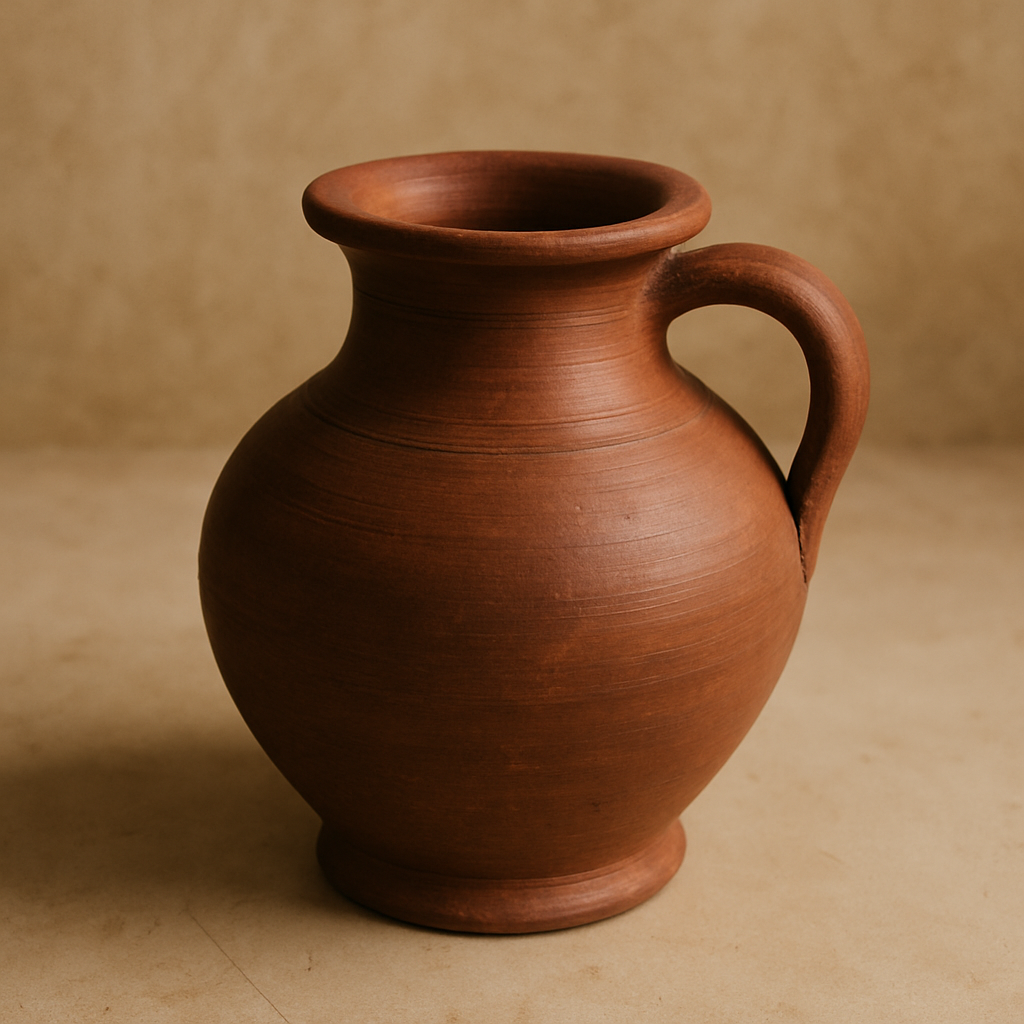
Clay pots were widely used to store drinking water. Apart from keeping water naturally cool, the porous structure of clay also acted as a mild filter, allowing some impurities to be trapped.
Natural Slow Sand Filtration (Murali or Kanchan System)
Some communities built natural slow sand filters, locally known as murali.
Layers of sand, gravel, and stones were arranged so water percolated slowly through them, filtering out sediments and some pathogens.
This system mimicked natural filtration and was easy to maintain at a household or community level.
Use of Seeds and Plant Materials
In some regions, moringa (drumstick tree) seeds were crushed and added to turbid water. The seeds acted as natural coagulants, helping suspended particles settle down.
Similarly, alum (fitkiri) was sometimes added to water to help particles clump and sink.
Sunlight-Based Purification (SODIS Method)
In some areas, people practiced a form of solar disinfection by leaving water in clear glass or plastic bottles under the sun for 6–8 hours.
The heat and ultraviolet rays from sunlight helped kill harmful microbes, making the water safer for drinking.
Use of Herbs and Medicinal Plants
People sometimes added neem leaves, holy basil (tulsi), or giloy (tinospora cordifolia) stems to drinking water.
These plants were believed to have antibacterial properties, contributing to water purification.
Boiling and Cooling Water in Clay Pots
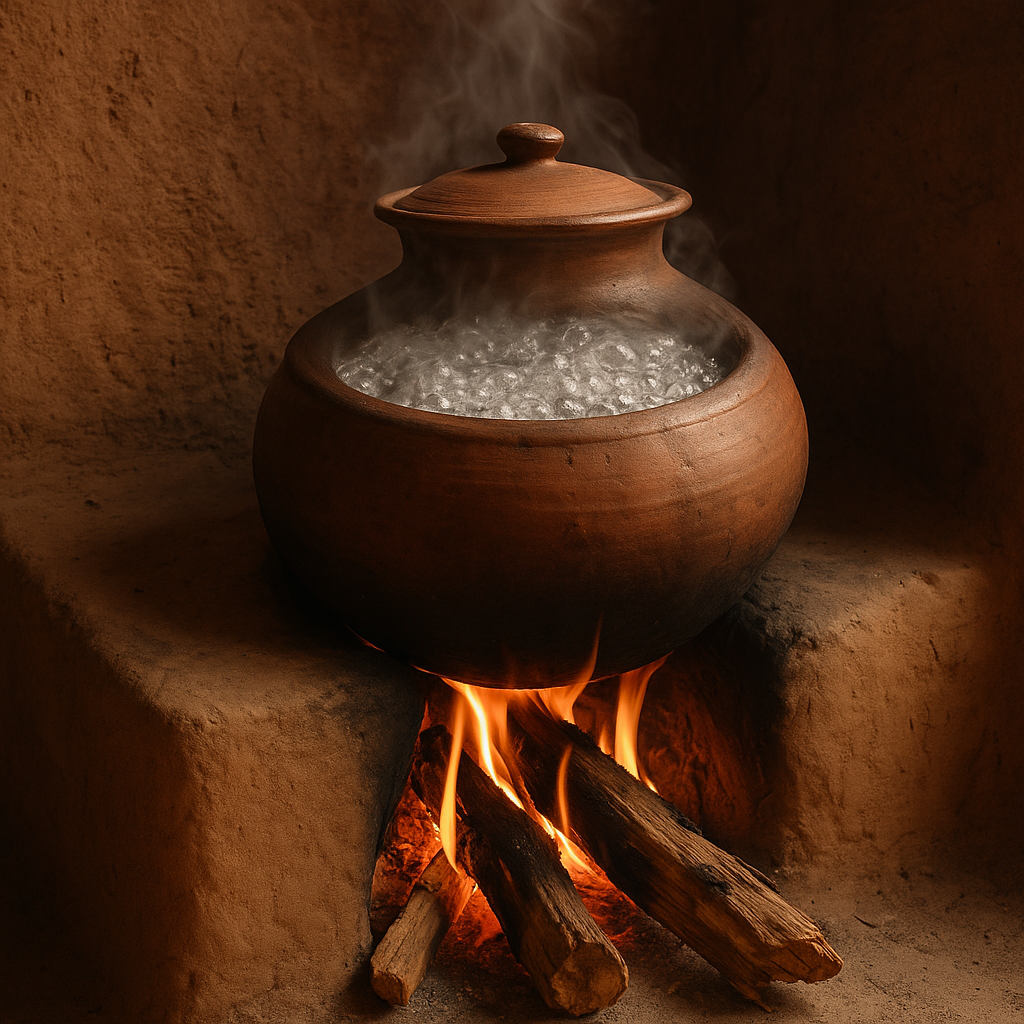
A widely practiced method was boiling water to kill pathogens, then cooling it in a clay pot.
Boiling ensured microbial safety, while storing in clay pots kept the water cool and pleasant for drinking.
Filtering with Silk Cotton (Simali Resa)
In some places, water was filtered using fibers from the silk cotton tree (simali).
The fibrous material acted as a sieve to remove dust and larger particles.
Cultural and Religious Practices
Traditional purification also included ritual practices such as chanting mantras, adding tulsi leaves, or mixing a drop of Ganga water to sanctify drinking water.
While primarily spiritual, these practices also reflected a cultural belief in purification at both physical and metaphysical levels.
Conclusion
Nepal’s traditional water purification methods were natural, cost-effective, and locally adapted solutions to ensure cleaner drinking water. While they may not meet modern safety standards against all pathogens, they represent valuable indigenous knowledge and sustainable practices.
In today’s context, these methods could be integrated with modern technologies to create affordable, eco-friendly water purification solutions tailored to rural and resource-limited settings.


dyqx6i