Fruit of Daruharidra (Chootro)
Table of Contents

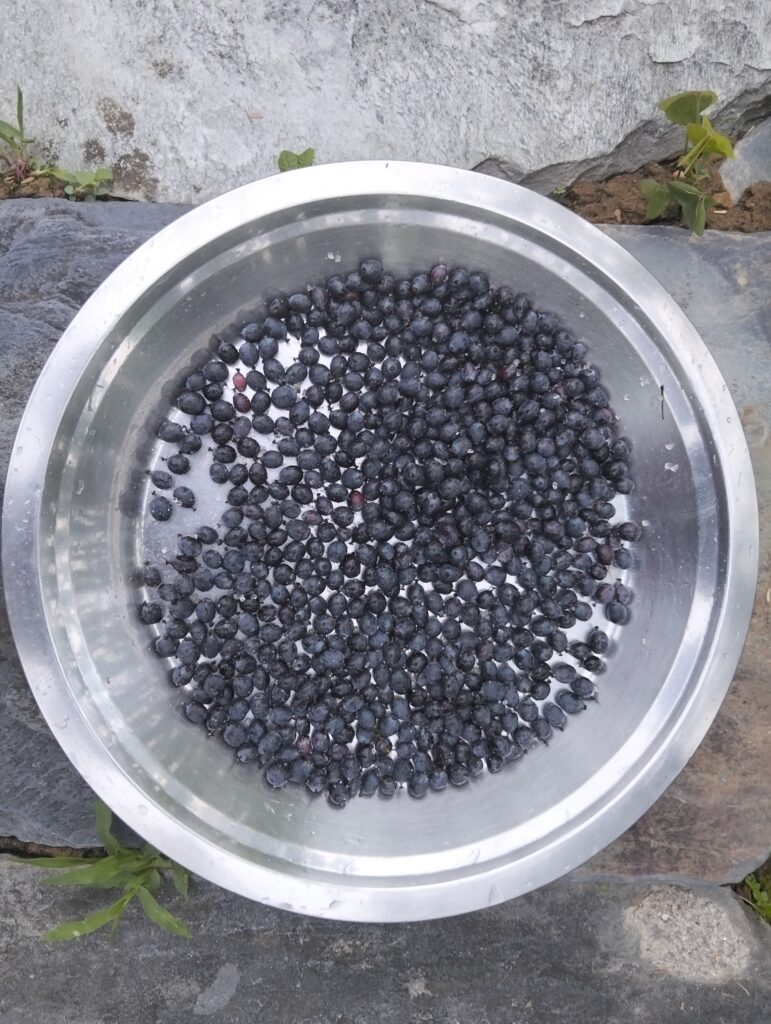
Botanical Name: Berberis aristata
Family: Berberidaceae
Common Names:
Sanskrit: Daruharidra
Nepali: Chootro, Chautaro
Hindi: Daruhaldi
English: Nepali Barberry / Tree Turmeric
Introdction
Daruharidra (Chootro) is a woody shrub found predominantly in the Himalayan regions of Nepal, India, Bhutan, and other nearby areas. While its root and bark have been used medicinally for centuries in Ayurveda, its fruit also holds significant value in traditional medicine and modern herbal formulations.
Characteristics of the Fruit
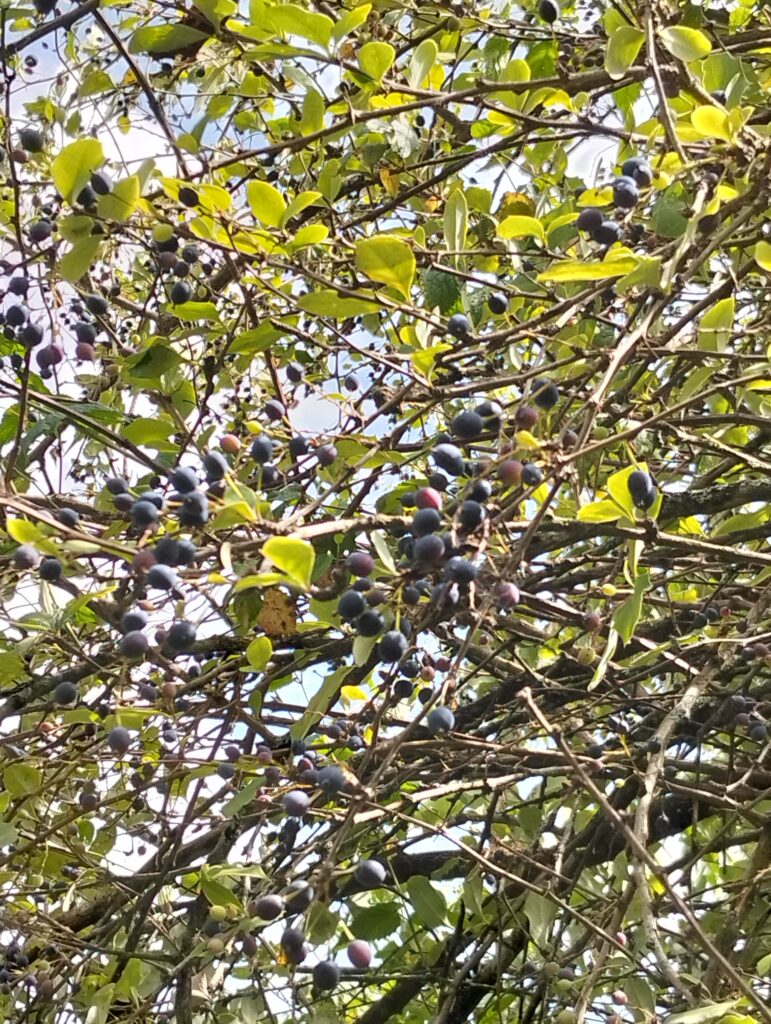
Color: Dark purple, blue, or black
Shape: Small, oval or cylindrical berries
Taste: Bitter and astringent
Season: Flowers in early summer; fruits ripen around August–September
Phytochemical Composition
Key active compounds found in the fruit include:
Berberine
Palmatine
Jatrorrhizine
Phenolic compounds
Flavonoids
Vitamin C
Tannins
These compounds are responsible for its pharmacological and therapeutic properties.
Ayurveda Properties (Fruit-Specific)
Rasa (Taste): Tikta (bitter), Kashaya (astringent)
Guna (Quality): Laghu (light), Ruksha (dry)
Virya (Potency): Sheeta (cooling)
Vipaka (Post-digestive effect): Katu (pungent)
Dosha Action: Pacifies Pitta and Kapha, cleanses the Rakta (blood)
Ayurveda Uses of the Fruit
Area of Use Description
Blood Purifier
Treats blood impurities, skin disorders, and Pitta imbalances
Eye Disorders
Decoction or extract used for eye-related conditions
Skin Conditions Used in boils, acne, eczema as internal or topical remedy
Diabetes
Due to berberine content, helps manage blood sugar
Respiratory Issues
Beneficial in cough, asthma, and throat infections
Digestive Support
Treats acidity, indigestion, and intestinal worms
Modern Scientific Findings
Antimicrobial Has broad-spectrum antibacterial and antifungal properties
Antioxidant – Protects cells from oxidative stress
Antidiabetic – Regulates glucose metabolism via berberine
Antibacterial / Antiviral – Active against pathogens like E. coli, Salmonella
Anti-inflammatory – Reduces inflammation in tissues
Forms and Dosage (for therapeutic use)
Hepatoprotective – Helps in liver detoxification
Form Dosage Usage
Dry Powder 1–3 grams Mixed with honey or lukewarm water
Decoction 50–100 ml Taken twice daily
Extract/Syrup 5–15 ml For skin, liver, and digestive disorders
Paste/Topical As needed For external use on skin infections
Note: Dosages should always be prescribed by a qualified Ayurvedic physician.
Precautions & Contraindications
Not recommended during pregnancy
May cause gastric sensitivity if taken in excess
Should be avoided in extremely cold constitutions without balancing herbs
In the Context of Aatreya Ayurveda Lifestyle
At Aatreya Aarogya Mandir, the fruit of Daruharidra is utilized as a blood purifier, metabolic enhancer, and liver tonic. It is incorporated into integrative protocols for conditions like skin diseases, diabetes, and inflammatory disorders. It aligns with Ayurveda lifestyle principles of Ahara (diet) and Dravyaguna (medicinal herbs) for daily wellness and disease prevention.
Conclusion
The fruit of Daruharidra (Chutro) is a potent natural medicine with wide-ranging benefits. In Ayurveda and herbal medicine, it is valued for detoxifying blood, enhancing liver health, balancing doshas, and fighting infections. Scientific research now supports many of these traditional uses, making it an important herb in both classical and contemporary medicine.
Daruharidra (दारुहरिद्रा/चूत्रो) Plant
Introduction
Daruharidra (Berberis aristata), commonly known as Indian Barberry or Tree Turmeric, is a thorny medicinal shrub traditionally used in Ayurveda, Siddha, and Unani systems of medicine. In Nepali, it is called Chutro, in Hindi Daruhaldi or Chitra, and in Sanskrit Daruharidra. It is highly valued for its yellow-colored alkaloid, berberine, which possesses strong therapeutic properties.
Botanical Classification
Category Details
Kingdom: Plantae
Class: Magnoliopsida
Order: Ranunculales
Family Berberidaceae
Genus: Berberis
Species: Berberis aristata
Distribution and Habitat
Daruharidra grows naturally in the Himalayas, particularly in India, Nepal, Bhutan, and Pakistan, between altitudes of 1,200 to 3,000 meters. In Nepal, it is commonly found in the hilly and sub-alpine zones.
Botanical Description
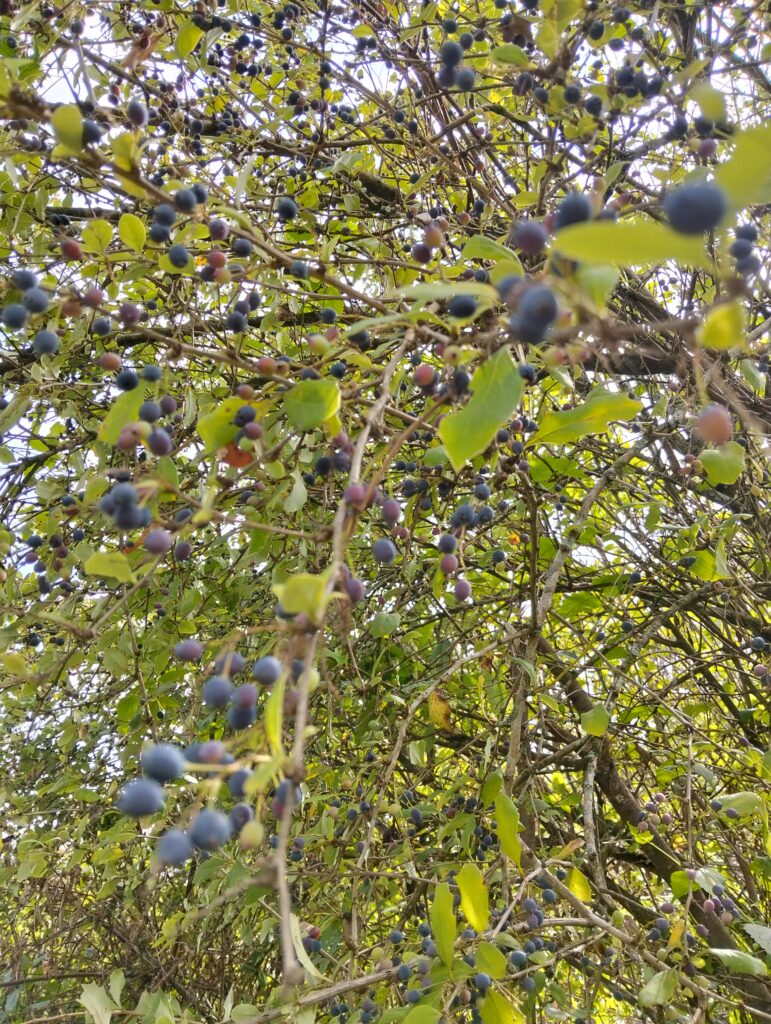
Type: Woody thorny shrub, 1–3 meters tall
Leaves: Simple, dark green, oval-shaped with spines
Flowers: Small, yellow, in clusters; blooms in spring (March–May)
Fruits: Small, bluish-purple berries; ripen in mid-summer (June–July)
Odor: Slightly bitter due to alkaloid content
Chemical Constituents
The plant is rich in alkaloids, the primary ones being:
Berberine – Antimicrobial, antidiabetic, liver-protective
Palmatine
Jatrorrhizine
Columbamine
Magnoflorine
Ayurvedic Properties
Property (Guna) Light (Laghu), Dry (Ruksha)
Taste (Rasa) Bitter (Tikta)
Potency (Virya) Cooling (Sheeta)
Post-digestive taste Pungent (Katu)
Actions (Karma) Blood purifier, Pitta-balancing, Antidiabetic, Skin cleanser
Ayurveda Uses
In Ayurveda, Daruharidra is used in the management of various health disorders due to its cleansing and anti-inflammatory properties:
Prameha (Diabetes) – Helps regulate blood sugar due to berberine
Kustha & Twakroga (Skin Diseases) – Beneficial in eczema, acne, leprosy
Netraroga (Eye Disorders) – Used in decoctions for eye washes
Pandu (Anemia) – Acts as a blood purifier
Jwara (Fever) – Helps reduce heat and toxins
Agnimandya (Poor Digestion) – Acts as digestive stimulant
Modern Medical Perspective
Daruharidra’s active compound berberine has been researched extensively and shown to have:
Antidiabetic activity – Comparable to metformin in some clinical studies
Antimicrobial properties – Effective against bacteria, fungi, protozoa
Anti-inflammatory action – Reduces systemic inflammation
Hepatoprotective effect – Supports liver health
Antioxidant and anticancer potential – Ongoing studies show promising results
Common Preparations and Dosage
Form Method of Use
Powder (Churna) 2–5 gm with honey or warm water
Decoction (Kwatha) 50–100 ml of boiled extract
Ghee preparation Used in skin diseases and eye disorders
Topical paste (Lepa) For wounds, ulcers, eczema
Eye drops or washes Prepared with decoction for eye care
Contraindications and Precautions
Avoid pregnancy without professional advice
Not suitable for prolonged use without guidance
Caution in cold-dominant (Vata prakriti) individuals due to its cooling nature
Scientific Research and Evidence
Berberine and Blood Sugar: Clinical trials show it reduces fasting glucose and improves insulin sensitivity
Liver Health: Shown to protect liver cells from toxins
Eye Infections: Effective against conjunctivitis and eye irritation
Cancer Research: Potential to inhibit tumor growth (under study)
Antioxidant Role: Scavenges harmful free radicals
Application in Aatreya Ayurveda Lifestyle
In the Aatreya Ayurveda Lifestyle, Daruharidra is incorporated as:
A regular herbal decoction in seasonal regimens (Ritucharya)
Supportive therapy in Panchakarma treatments
Blood-purifying and skin-cleansing remedy
Supplement in diabetic management programs
Component of spiritual and satvic diet plans
Conclusion
Daruharidra is a remarkable medicinal plant with time-tested uses in traditional medicine and growing scientific validation. Its role as a blood purifier, liver protector, antidiabetic, and skin healer makes it a valuable component in both preventive and therapeutic Ayurveda practice.