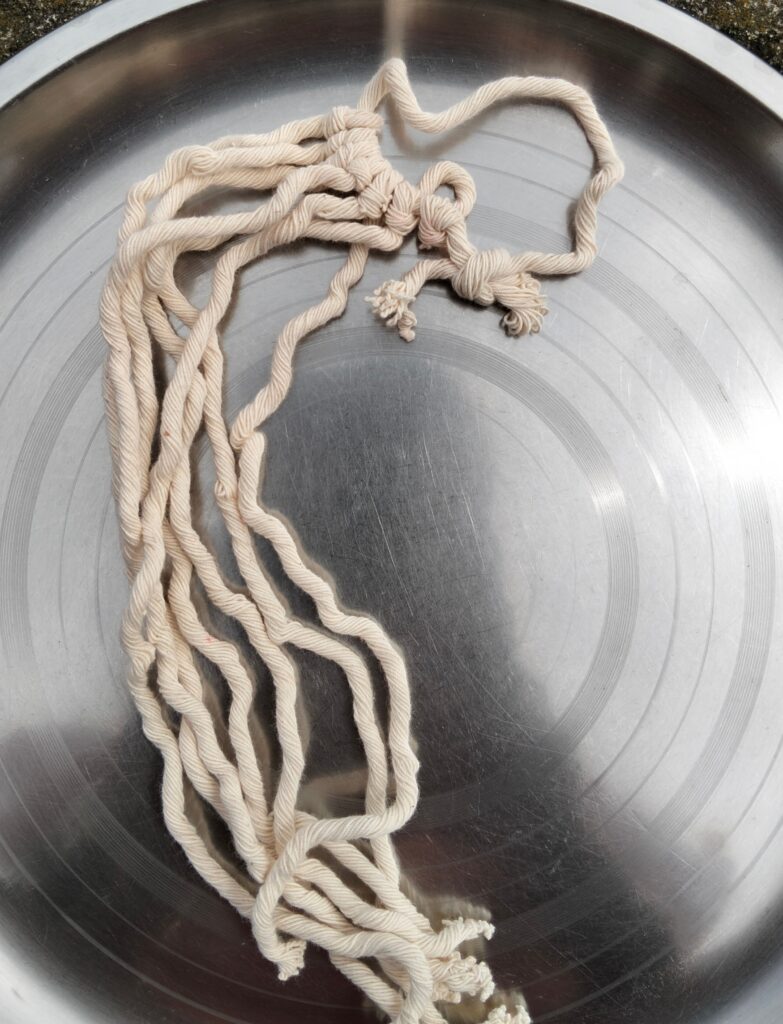
Janai (Yagyopavita): An Introduction
Janai(Yagyopavita) In the Vedic Sanatana tradition is a sacrad Thread worn across the shoulder by Hindu after Upanayana Sanskara. जनै/ यज्ञोपवित: Janai (Yagyopavita) with Shikha (knot of Janai/sacred tuft of hair), and Saro (ritual cords) carry deep philosophical, spiritual, social, and ritual meanings. They are not merely religious objects but symbols of knowledge, purity, duty, and discipline. Their design, usage, and rituals are described in detail in the Vedas, Upanishads, Dharmasutras, and other ancient scriptures.
जनै धारणा गर्ने मन्त्र :
ॐ यज्ञोपवीतं परमं पवित्रं प्रजापतेर्यत्सहजं पुरस्तात् । आयुष्यमग्र्यं प्रतिमुञ्च शुभ्रं यज्ञोपवीतं बलमस्तु तेजः ।।
जनै खोल्ने मन्त्र :
ॐ एतावद् दिन पर्यन्तं ब्रह्म त्वं धारितं मया ।
जीर्णत्वात् त्वत् परित्यागो गच्छ सूत्र यथासुखम् ।।
रक्षाबन्धन लाउने मन्त्र :
येन बद्धो वलीराजा दानवेन्द्रो महावलस् ।
तेन त्वां प्रतिबध्नामि रक्षे मा चल मा चल ।।
जनै धारणा गर्ने मन्त्र :
ॐ यज्ञोपवीतं परमं पवित्रं प्रजापतेर्यत्सहजं पुरस्तात् ।
आयुष्यमग्र्यं प्रतिमुञ्च शुभ्रं यज्ञोपवीतं बलमस्तु तेजः ।।
Janai (Yajnopavita) – Meaning and Significance
Meaning
Sanskrit: The term Yajnopavita comes from “Yajna” (sacred act) + “Upa” (near) + “Vita” (worn).
Also called Upavita, meaning “sacred thread worn across the shoulder.”
In Nepali, “Janai” refers to the sacred thread with three cords worn by men after Upanayana Samskara (sacred initiation).
Significance
Represents the status of Dvija (twice-born).
The first birth is biological (from the mother), the second birth is spiritual – when the person receives Vedic education from the Guru.
Wearing Janai marks the beginning of Brahmacharya (celibate student life) and acceptance of religious, moral, and social duties.
Structure of Janai
Number of Cords (Saro)
Traditionally, it has three main cords.
Each cord consists of three strands, making a total of nine strands.
Symbolism of the three cords:
Three Debts (Rina-Traya) – Debt to ancestors (Pitra Rina), sages (Rishi Rina), and gods (Deva Rina).
Three Gunas – Sattva (purity), Rajas (activity), Tamas (inertia).
Threefold Purity – Purity of body, speech, and mind.
The Knot (Shikha)
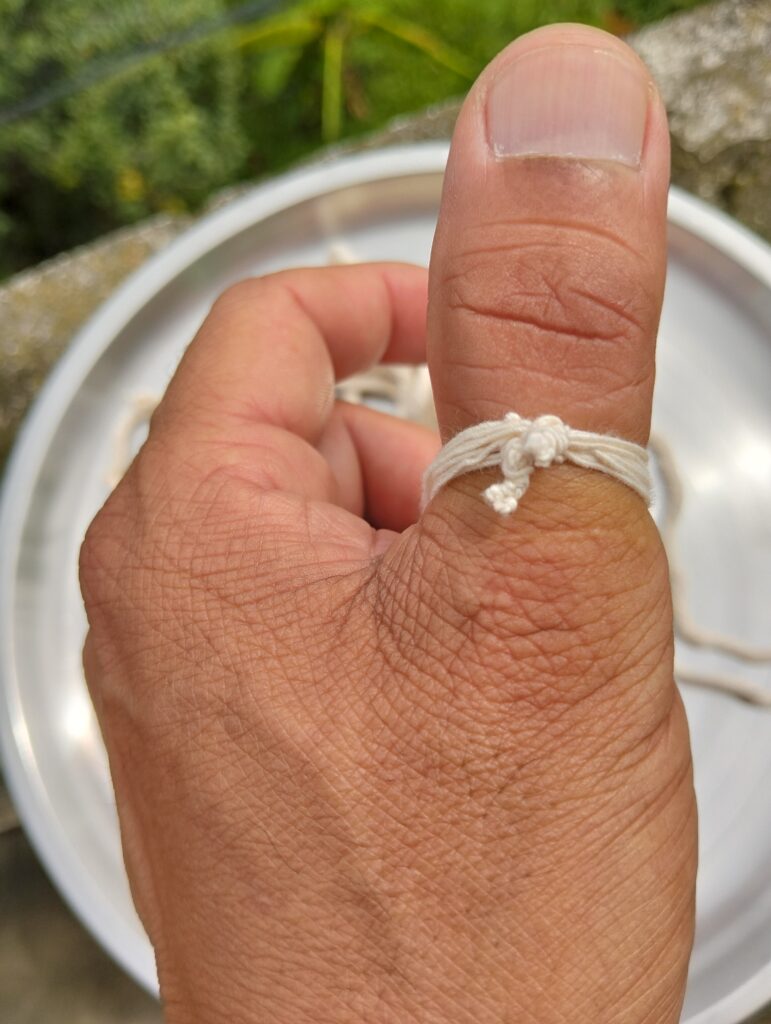
Each cord has a ritual knot called Shikha.
It is tied with specific Vedic mantras.
Symbolizes self-discipline, restraint, and moral responsibility.
Shikha (Another Meaning of Shikha is Tupi ko Shikha ) – (Sacred Tuft)
Meaning
Shikha is the tuft of hair kept at the back of the head.
Significance
Represents the seat of Brahma-jnana (knowledge of the Absolute).
In yogic tradition, it is located at the Brahmarandhra – the topmost subtle energy point of the body, aiding concentration during meditation or chanting.
Dharmashastras state that only those with Janai and Shikha are eligible to perform Vedic rituals.
Wearing the Janai – Vedic Process
Upanayana Samskara
One of the major Samskaras (life-cycle rites).
Performed by the Guru/Acharya with mantras.
The initiate is taught the Gayatri Mantra and vows to perform Sandhya Vandana three times daily.
Modes of Wearing
Upavita – Over the left shoulder, under the right arm (used in worship, yajnas, and auspicious acts).
Pracinavita – Over the right shoulder, under the left arm (used during funeral rites or mourning).
Nivita – Around the neck (used in special rituals or acts of purity).
Maintenance and Rules
Traditionally changed annually on Janai Purnima (Sacred Thread Festival).
Worn thread must be clean, intact, and made of pure cotton.
The wearer should perform Sandhya Vandana daily and refrain from unholy acts such as falsehood, violence, intoxication, or theft.
Symbolism of the Saro (Buddle)
Reminds the wearer to bind mind, speech, and action with discipline.
Acts as a spiritual protection knot, tied with mantras.
Cannot be retied or altered without proper rituals.
Scientific Perspective
Cotton thread helps in balancing static electricity in the body.
Worn across the left shoulder, it is close to the heart and helps regulate nervous and circulatory flow.
The Shikha location stimulates subtle nerve centers, aiding meditation and focus.
Cultural and Social Aspects
Traditionally worn by Brahmins, Kshatriyas, and Vaishyas, but in principle, any student receiving Vedic initiation can wear it.
In Nepal and India, Janai Purnima is celebrated with great devotion – associated with Raksha Bandhan and Rishi Tarpana.
Conclusion
The Janai, along with the Shikha and Saro, is not just a physical ornament but a symbol of spiritual discipline, moral responsibility, sacred knowledge, and cultural identity. Its true value lies in wearing it with understanding, maintaining its sanctity, and living according to the vows it represents
Upanayana Samskara
Upanayana Samskara is one of the most important rites of passage in the Vedic tradition. It marks the formal initiation of a child into the path of education, discipline, and spiritual life. Often known as Janeu (sacred thread ceremony) or Vedic initiation, it symbolizes the beginning of the Brahmacharya Ashrama (student life) and the acceptance of social and spiritual responsibilities.
Definition and Essence
Upanayana means “leading near” — leading the child to the Guru for learning. It is a sacred initiation through which a student is introduced to the study of the Vedas and other branches of knowledge. The essence lies in awakening the sense of discipline, self-control, devotion to learning, and dedication to Dharma.
Historical and Vedic References
Mentioned in the Rigveda, Yajurveda, and several Smriti and Dharmashastra texts.
In the traditional Ashrama system, this rite marks the transition from childhood to the Brahmacharya Ashrama.
Historically, it was the gateway to entering a Gurukula, where the Guru would impart Vedic, spiritual, and practical knowledge.
Who Could Undergo Upanayana? (Traditional View)
Traditionally performed for the three varnas — Brahmana, Kshatriya, and Vaishya.
Shudras were excluded according to orthodox tradition.
In modern times, the ritual is adapted in many communities, and some perform it for all, regardless of caste or gender.
Stri-Upanayana (for girls) is gaining acceptance in some reformist traditions.
Age and Timing (Classical Guidelines)
Brahmana boys: 8–12 years
Kshatriya boys: 11–13 years
Vaishya boys: 12–14 years
The age is calculated traditionally from conception (garbha-avastha) rather than birth.
Modern practice allows flexibility according to family and social circumstances.
Key Symbols and Materials
Yagyopavita / Janeu (Sacred Thread): Generally made of three strands symbolizing the three debts (Rishi Rina, Pitri Rina, Deva Rina).
New attire: Traditionally white dhoti/kurta or clean ritual garments.
Puja materials: Flowers, holy water, lamp, incense, betel nut, rice, turmeric, etc.
Kusha grass and pavitra: Used for purification and sanctity.
Ritual Procedure (General Outline)
Note: Actual steps vary by region, tradition, and guru’s instructions.
Pre-ritual Preparation
Consultation with the guru or family priest to fix an auspicious date (muhurat).
Decoration of the home or ceremonial space, preparation of materials.
Purification
Ritual bath (Snana) for the boy, symbolizing cleansing of body and mind.
Invocation and Guru Aahvana
Inviting the guru and elders to bless the ceremony; offering dakshina.
Sacred Thread Ceremony
The sacred thread is placed over the left shoulder and under the right arm while chanting Vedic mantras.
The guru explains its meaning and the duties it signifies.
Mantra Initiation
The child is taught the Gayatri Mantra or other suitable Vedic mantras.
The guru instructs the student in the rules of Sandhyavandana (daily prayer).
Vow of Brahmacharya
The initiate pledges to observe discipline, truthfulness, celibacy, and respect for the guru.
Blessings and Feast
Elders bless the child, and guests are served a ceremonial meal.
Mantras and Study Initiation
The most important mantra taught is the Gayatri Mantra, considered the key to Vedic study.
The guru instructs in proper pronunciation, intonation, and meaning.
This marks the start of the Adhyayana (study) phase.
Social and Spiritual Significance
Social: Recognition of the child as a responsible member of the community.
Spiritual: Commitment to knowledge, purity, and dharma.
Moral: Training in discipline, truth, and respectful conduct.
Regional and Community Variations
In Nepal, India, and other South Asian countries, customs vary widely by caste, region, and family tradition.
Some communities perform the ritual for girls as a mark of educational initiation.
Language of the mantras, attire, and sequence of steps may differ.
Modern Perspectives and Issues
Caste-based exclusion: Criticized in modern society for being discriminatory.
Gender inclusion: Increasing calls for making Upanayana available for girls.
Integration with modern education: Can serve as a cultural initiation alongside school or college milestones.
Symbolic adaptation: Many families now emphasize the moral and cultural aspects rather than only the ritualistic ones.
Post-Ceremony Duties of the Student
Daily Sandhyavandana (morning, noon, evening prayers).
Obedience to guru and elders.
Commitment to study and virtuous living.
Benefits and Symbolic Meaning
Beginning of learning: A formal start to education.
Spiritual protection: The sacred thread and mantra serve as reminders of discipline.
Cultural identity: Reinforces community and family heritage.
Moral growth: Encourages self-control, humility, and responsibility.
Reforms and Recommendations
Make the ceremony inclusive — accessible to all who wish to undergo it.
Emphasize values over ritual — focusing on discipline, respect, and education.
Incorporate ethical and environmental teachings for modern relevance.
Conclusion
Upanayana is far more than just wearing a sacred à — it is a symbolic and practical gateway to education, discipline, and spiritual life. While rooted in ancient tradition, it can be reinterpreted today to align with equality, inclusivity, and lifelong learning. By preserving its essence and adapting its form, this Samskara can continue to inspire generations towards a life of wisdom and v
Janai Purnima
Introduction
Janai Purnima, also known as Rakshabandhan, Shravani Purnima, or Upanayana Renewal Day, is one of the major Hindu festivals. It falls on the full moon day of the month of Shrawan (July–August). On this day, primarily Brahmins, Kshatriyas, and Vaishyas change their sacred thread (Janai) and tie a protective thread (Rakshasutra or Dora) on their wrist, symbolizing protection, spiritual purity, and the renewal of vows made during the Upanayana ceremony.
Historical and Vedic Background
Vedic Tradition: Wearing the Janai (sacred thread) is part of the Upanayana Samskara, one of the 16 major Hindu life-cycle rituals (Shodasha Samskaras). This ceremony traditionally grants the right to study the Vedas and commit to a disciplined life.
In Ancient Times: The day was known as Shravani Parva, when sages would bathe in holy waters, perform homa (fire rituals), recite mantras, and replace their sacred threads.
Mythological References:
In the Mahabharata, Yudhishthira tied a protective thread to Draupadi on Shravani Purnima.
The legend of Vamana tying a protective thread to King Bali is also linked to this day.
The Yama–Yamuna story says Yamuna tied a Rakshasutra to her brother Yama, granting him blessings of long life.
Religious Significance
Spiritual Purification: Bathing in holy rivers or lakes on this day purifies the body and mind.
Protection and Longevity: The Rakshasutra is believed to ward off negative forces and misfortune.
Renewal of Commitment: It marks the renewal of the Upanayana vow—commitment to truth, self-discipline, and service to teachers and sages.
Family and Social Unity: Families gather for rituals, Brahmin feasts, and the tying of protective threads.
Structure and Symbolism of the Janai
Material: Made from cotton threads.
Number of Strands: Traditionally six strands for Brahmins, three for Kshatriyas, and variations for Vaishyas.
Symbolism: The threads represent three debts (to sages, ancestors, and gods) and three virtues (action, knowledge, and devotion).
Wearing Method: Worn diagonally from the left shoulder to the right waist, close to the heart.
Rakshasutra (Protective Thread) Ritual
Method: After prayers, the priest ties a yellow or red thread around the wrist (right wrist for men, left for women) while chanting mantras.
Mantra: “Yena baddho baliraja danavendro mahabalah, tena tvam pratibadhnami rakshe ma chala ma chala.”
Meaning: “I tie this thread of protection, with which the great King Bali was bound; may it protect you and never be untied.”
Regional Variations
In Nepal:
In hilly and Himalayan regions, the Janai is changed according to Vedic procedures, and the Dora is tied.
The Newar community celebrates it as Kwati Khane Din—eating a stew of nine sprouted beans—within the Gunla festival.
In India:
In northern India, it is celebrated as Rakshabandhan, where sisters tie Rakhi to brothers.
In southern India, Brahmins celebrate it as Avani Avittam, changing their sacred threads.
Ayurvedic and Health Perspective
Shrawan Purnima falls at the end of monsoon, when infectious diseases are common. Ritual bathing, purification, and consuming Kwati (a mix of 7–9 types of sprouted beans) boost immunity and digestion.
Kwati is high in protein, easily digestible, and strengthens resistance against seasonal ailments.
Modern Context
Beyond its religious roots, Janai Purnima strengthens family bonds, social unity, and cultural heritage.
In the diaspora, people celebrate by online puja participation, mailing Rakhi/threads, or organizing community gatherings.
Conclusion
Janai Purnima is a rare blend of Vedic ritual, mythological reverence, social bonding, and health-conscious living. The sacred thread symbolizes the intertwined values of discipline, knowledge, devotion, and protection—values that bind society together like the strands of the Janai itself.
Shodasha Samskara
The Shodasha Samskara refer to the sixteen essential rites of passage in the Vedic Sanatana Dharma tradition, performed to purify, discipline, and elevate human life from conception to death.
These rites are meant to ensure the physical, mental, moral, and spiritual refinement of the individual.
The Sanskrit term “Saṁskāra” means:
Sam (proper) + kara (to do) → to perform in the best manner.
A process of refining and uplifting inherent qualities.
Philosophical and Religious Basis
Described in Gṛhya Sūtras, Dharma Sūtras, Manusmṛti, and other Vedic texts.
Seen as a cycle of purification guiding the soul through various stages of life.
Each Saṁskāra includes mantras, fire offerings (homa), sacred rituals, and moral vows.
In Hindu philosophy, these rites support spiritual progress through the cycle of birth and rebirth.
Historical Background
In the Vedic era, the family was the center of education, culture, and ritual observance.
Initially performed in the Brahminical tradition, they later spread to all varnas (social classes).
The number of rites varied regionally, but sixteen were widely accepted as the complete set.
List of Sixteen Saṁskāras with Descriptions
Garbhadhana (Conception Ritual)
After marriage, the sacred act of conception with pure intention.
Purpose: To ensure the birth of a virtuous and healthy child.
Pumsavana (Fetus Nourishment Rite)
In the third month of pregnancy, for the health and strength of the fetus.
Traditionally associated with blessings for progeny.
Seemantonnayana (Hair-Parting Ceremony)
Performed in the 7th or 9th month of pregnancy.
Intended to provide mental peace to the mother and proper development of the child.
Jatakarma (Birth Ritual)
Immediately after birth, sacred mantras are whispered in the baby’s ear, and a mixture of ghee and honey is given.
For physical vitality and spiritual awakening.
Namakarana: न्वारन (Naming Ceremony)
On the 11th or 12th day after birth.
Name selection is based on astrological factors, family tradition, and sound vibrations.
Nishkramana (First Outing)
The baby is taken outside the home for the first time, introduced to sunlight and fresh air.
Anna–Prāśana (First Feeding of Solid Food)
At six months or after the eruption of the first tooth.
Rice or other food is offered with prayers for health and longevity.
Choodakaraṇa (First Tonsure)
The first shaving of the child’s head.
For cleanliness, health, and clarity of mind.
Karnabhedana (Ear-Piercing)
Piercing of ears for both health and adornment.
Vidyarambha (Beginning of Education)
The child writes the first letter of the alphabet.
Marks the formal beginning of learning.
Upanayana (Sacred Thread Ceremony)
Initiation into Brahmacharya (student life).
The child wears the yajñopavīta (sacred thread) and begins Vedic study under a guru.
Vedarambha (Commencement of Vedic Study)
The actual start of learning the Vedas and spiritual sciences.
Samavartana (Graduation Ceremony)
Completion of formal education and return from the gurukula.
The student is now ready to enter the householder stage.
Vivaha (Marriage Rite)
Sacred union of husband and wife.
Marks entry into the Gṛhastha āśrama (householder stage).
Vanaprastha (Retirement to Forest Life)
Gradual withdrawal from household duties to focus on spiritual practice in later life.
Antyesti: मृत्यु संस्कार (Funeral Rites)
Final rites after death.
Ensures peaceful transition of the soul.
Present-Day Relevance
Many of these rites are still practiced, though some are symbolic in modern times.
They can be understood in contemporary terms:
Annaprashana (Weaning Period) early childhood nutrition awareness
Upanayana = discipline and moral education
Vivaha = social stability and family building
Social and Cultural Significance
Makes each stage of life sacred and meaningful.
Strengthens family and community bonds through collective participation.
Preserves tradition and cultural identity.
Conclusion
The Shodasha Sankara are not merely religious rituals; they are a holistic life-guidance system.
From birth to death, they refine the body, mind, and soul, keeping an individual aligned with Dharma, culture, and spiritual progress — a timeless gift of Vedic civilization.