
Non Communicable Diseases: An Introduction
Table of Contents
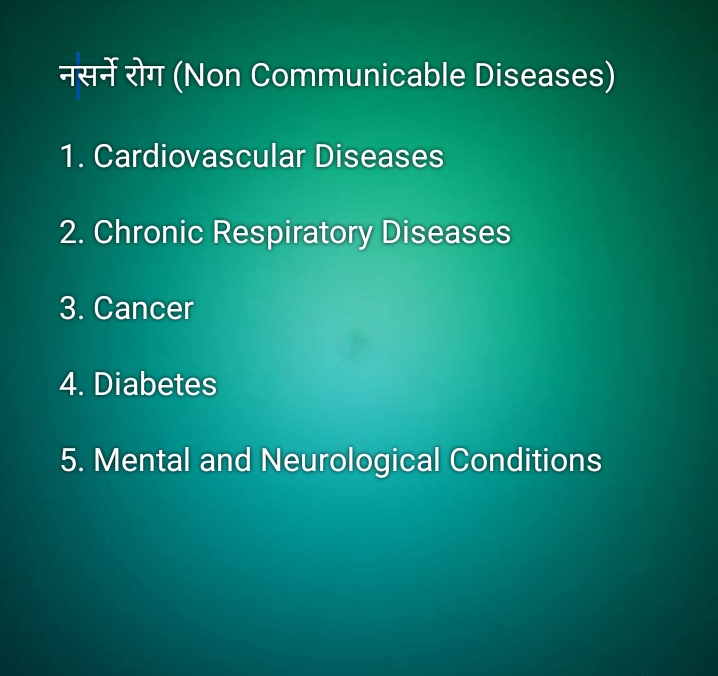
Non-Communicable Diseases (NCDs) such as cardiovascular disease, diabetes, cancer, and chronic respiratory conditions are responsible for over 74% of global deaths (WHO, 2023). These lifestyle-related diseases are growing rapidly in Nepal, affecting people in their most productive years. According to the Nepal Demographic and Health Survey (NDHS 2022), hypertension, diabetes, obesity, and tobacco use are significantly rising.
At this critical juncture, the Aatreya Ayurveda Lifestyle offers a sustainable, preventive, and promotive health framework to mitigate NCDs through daily and seasonal routines, ethical conduct, dietary regulation, and psycho-spiritual well-being.
The Global Picture of NCDs
According to WHO (World Health Organization):
41 million deaths annually from NCDs.
17.9M from cardiovascular diseases
9.3M from cancer
4.1M from chronic respiratory diseases
2M from diabetes
Over 85% of these deaths occur in low- and middle-income countries.
Most are preventable through lifestyle modification.
According to the World Economic Forum (WEF)
NCDs could cost the global economy USD 47 trillion by 2030.
Major burden arises from loss of productivity, premature mortality, and chronic healthcare costs.
Economic development and health are interdependent; NCDs drain human and financial capital.
NCDs in Nepal: NDHS 2022 Findings
Hypertension affects over 1 in 5 adults (22.5% of men and 19.6% of women).
Diabetes prevalence is rising (8.5% with raised fasting blood sugar).
Tobacco use: 24.1% in men and 8.2% in women.
Overweight/Obesity: 28% of women, 20% of men.
Urbanization, sedentary behavior, processed food intake, and stress contribute heavily.
Younger populations (30–49 years) are showing early onset of lifestyle diseases.
Aatreya Ayurveda Lifestyle: A Holistic Response
Aatreya Ayurveda Lifestyle is a Nepal-based, evidence-aligned model designed to prevent NCDs by integrating timeless Ayurveda principles into modern daily living. It focuses on:
Dinacharya (Daily Regimen)
Waking up during Brahma Muhurta
Oil pulling, tongue scraping, self-massage
Yoga, Pranayama, and meditation
Balanced meals on time with mindful eating
Early sleep routine
Ritucharya (Seasonal Routine)
Adjusting food, behavior, and activities based on seasonal variations
Detoxification and rejuvenation during seasonal transitions
Prevention of seasonal disease aggravation
Aahara Vidhi (Vedic Food Discipline/Ayurveda Diet)
Eating fresh, warm, wholesome foods
Avoiding ultra-processed, chemically preserved items
Following food compatibility rules (Viruddha Ahara)
Maintaining Agni (digestive fire) – central to Ayurveda metabolism
Sadvritta and Achara Rasayana (Ethical and Mental Hygiene)
Truthfulness, compassion, self-discipline
Mental calmness, stress regulation through silence and introspection
Strong emphasis on mind-body-spirit harmony
Spiritual Psychospiritual Counseling
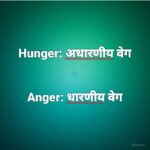
Managing anger, grief, fear, and loneliness – key NCD triggers
Strengthening mental immunity (Satva Bala)
Use of meditative and mantra practices
Why Aatreya Ayurveda Lifestyle is the Gold Standard for NCD Prevention
Parameter Modern Lifestyle Medicine Aatreya Ayurveda Lifestyle
Physical health
Diet & exercise Diet, exercise, detox, routine
Mental health
Cognitive therapy Meditation, Achara Rasayana
Prevention focus Risk reduction Root-cause elimination
Cultural adaptability
Western-centric Rooted in local context
Affordability
Moderate to high Low-cost, community-based
Alignment with WHO & National Policy
WHO promotes people-centered primary healthcare, preventive health, and lifestyle modification.
Nepal’s Multisectoral NCD Action Plan (2021–2025) aims to reduce premature mortality from NCDs by 25% through prevention and health promotion.
Aatreya Ayurveda Lifestyle is aligned with these goals and strengthens the following areas:
Community empowerment
Traditional health knowledge systems
School and workplace wellness
Digital health promotion using local languages and values
Recommendations
Policy-Level
Integrate Aatreya Ayurveda Lifestyle into national NCD prevention programs.
Promote school- and community-based Ayurveda awareness.
Train health professionals on holistic, integrative care.
Allocate budget for lifestyle education at local levels.
Community-Level
Organize Brahma Muhurta health clubs
Launch Ayurveda Lifestyle Clinics
Encourage traditional food gardens and detox routines
Individual-Level
Practice daily and seasonal routines
Avoid tobacco, alcohol, junk food
Do yoga, pranayama, and meditation daily
Maintain a positive, dharmic lifestyle
Conclusion
NCDs are not merely medical issues; they are lifestyle epidemics. While global organizations like WHO and WEF warn about the alarming impact of NCDs, local models like the Aatreya Ayurveda Lifestyle provide actionable, culturally embedded solutions. For a country like Nepal, where ancient wisdom and modern challenges coexist, the path forward lies in integrative, preventive healthcare rooted in Ayurveda.
Non Communicable Diseases Non Communicable Diseases Non Communicable Diseases Non Communicable Diseases Non Communicable Diseases Non Communicable Diseases Non Communicable Diseases Non Communicable Diseases Non Communicable Diseases Non Communicable Diseases