Ayurveda Lifestyle Interventions for the Prevention and Management of Non-Communicable Diseases: An Integrative Approach
Ayurveda lifestyle: Author Introduction
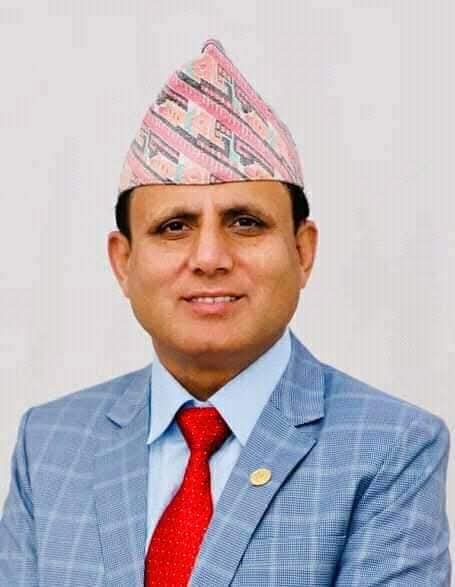
Dr. Buddhi Prasad Paudel
MD (Ayurveda) Kayachikitsa
Senior Consultant Ayurveda Specialist
Medical Director, Aatreya Aarogya Mandir & Research Center
Dinacharya, Ritucharya, Achara Rasayana, Sadvritta, Vedic dietary practices, Sanskrit Mahabhashya and spiritual psychosocial counseling — these are the seven pillars of Ayurveda lifestyle as per Aatreya Aarogya Mandir & Research Center, Budhanilakantha 12, Kathmandu, Nepal. These are crucial for the prevention of Non-communicable Diseases and should be adopted globally by global health policy practitioners and global health managers.
Abstract
Non-communicable diseases (NCDs) represent a growing global health burden, demanding cost-effective, sustainable preventive strategies. Ayurveda, an ancient system of medicine, emphasizes personalized lifestyle interventions (Dinacharya, Ritucharya, Sadvritta etc.) to maintain health and prevent disease progression. This article explores the role of Ayurveda lifestyle in NCD prevention and management, integrating classical evidence and contemporary research, proposing a model for integrative healthcare.
Introduction
The global rise of NCDs such as diabetes, hypertension, cardiovascular diseases, and obesity poses unprecedented challenges to healthcare systems. According to the World Health Organization (WHO), NCDs account for 74% of global deaths annually (1). Conventional medical approaches focus predominantly on disease management rather than prevention. Ayurveda, a traditional Indian medical system, provides a comprehensive preventive model emphasizing daily and seasonal regimens, ethical conduct, dietary guidelines, and psychosocial well-being (2).
Ayurveda Lifestyle Components
Key preventive principles of Ayurveda include:
Dinacharya (Daily Regimen): Structured daily activities balancing doshas and strengthening immunity (3).
Ritucharya (Seasonal Regimen): Adaptation of diet and habits according to seasonal variations to maintain homeostasis (4).
Sadvritta (Ethical Conduct): Guidelines promoting mental and social health, reducing stress and psychological risk factors (5).
Achara Rasayana (Behavioral Rejuvenation): Practices enhancing mental resilience, social harmony, and cognitive function (6).
Ayurveda in NCD Prevention
Emerging evidence suggests Ayurveda interventions can mitigate NCD risk factors. A randomized controlled trial reported significant reductions in fasting blood glucose and body mass index following an Ayurveda-based lifestyle intervention in prediabetic individuals (7). Panchakarma detoxification, along with dietary and yoga practices, showed improvements in metabolic parameters among obese participants (8). Mind-body practices like meditation, yoga, and Pranayama reduce stress-related hypertension and improve cardiovascular outcomes (9).
Integrative Model Proposal
An integrative healthcare model incorporating Ayurveda lifestyle coaching into primary care could provide a sustainable approach to NCD prevention. Trained Ayurveda professionals can collaborate with allopathic practitioners to offer individualized counseling, promoting health literacy and community engagement (10).
Challenges and Future Directions
Despite growing interest, integration faces regulatory, educational and research challenges. Rigorous clinical trials, quality standardization of formulations and policy frameworks are essential to scale Ayurveda interventions globally (11). Future research should focus on mechanism-based studies, multi-center trials and health economics evaluations to establish cost-effectiveness and scalability.
Conclusion
Ayurveda lifestyle interventions offer a holistic, evidence-informed approach to preventing and managing NCDs. Bridging traditional wisdom with modern healthcare systems through integrative models holds promise for sustainable public health solutions.
References
World Health Organization. Noncommunicable diseases. Geneva: WHO; 2023. Available from: https://www.who.int/news-room/fact-sheets/detail/noncommunicable-diseases
Sharma PV. Charaka Samhita (Vol 1). Varanasi: Chaukhamba Orientalia; 2014.
Lad V. Ayurveda: The Science of Self-Healing. New Delhi: Motilal Banarsidass; 2015.
Dash B, Sharma R. Caraka Samhita: Text with English Translation. Varanasi: Chowkhamba Sanskrit Series; 2010.
Patwardhan B, Chavan-Gautam P. Ayurveda education reforms for NCD prevention. J Ayurveda Integr Med. 2017;8(1):1–4.
Singh RH. Exploring issues in the development of Ayurvedic research methodology. J Ayurveda Integr Med. 2010;1(2):91–5.
Tillu G, Salvi S, Patwardhan B. Integrative approach to control COVID-19 using Ayurveda. J Ayurveda Integr Med. 2020;11(2):137–40.
Narayan A, Kumar R, Rathi B, et al. Effects of Panchakarma therapy on obesity: A randomized controlled trial. Ayu. 2019;40(1):57–63.
Sharma M, Lingam R. Effectiveness of yoga interventions in the management of hypertension: A systematic review. J Hypertens. 2016;34(5):938–45.
Chandra S, Patwardhan B. Allopathic and Ayurvedic Integration: Need of the hour. Integr Med Int. 2013;1(3):129–33.
Patwardhan K, Mutalik G, Tillu G. Integrative approaches to NCDs: Future directions. J Ayurveda Integr Med. 2019;10(3):185–90.
A Comprehensive Overview of MD Ayurveda (Kayachikitsa: Internal Medicine)
Introduction
Ayurveda is one of the world’s oldest systems of health and healing, emphasizing prevention, holistic wellness, and natural therapeutics. Within Ayurveda, Kayachikitsa (Internal Medicine) is the foundational branch that deals with diagnosing, treating, and preventing internal diseases through Ayurvedic principles and therapies.
MD Ayurveda (Kayachikitsa) is a postgraduate academic and clinical program designed to train specialists in Ayurveda internal medicine. The curriculum integrates classical Ayurvedic texts, practical training, clinical exposure, and research methodology, preparing graduates for roles in clinical practice, education, and research.
Structure of the Curriculum
The curriculum for MD Ayurveda (Kayachikitsa) is framed by the Central Council of Indian Medicine (CCIM) and followed by reputed Ayurvedic universities such as Banaras Hindu University, Gujarat Ayurved University, and others. The program spans 3 years, with progressive learning phases:
First Year
Theoretical Foundation
In-depth study of Charaka Samhita (Chikitsa Sthana)
Concepts of Dosha, Dhatu, Mala (body humors, tissues, wastes)
Principles and methods of Roganidana (diagnosis)
Basic concepts of general medicine in Ayurveda
Theoretical understanding of Panchakarma therapies
Introduction to Bhaishajya Kalpana (pharmaceutical preparations)
Second Year
Disease-Specific Learning
Study of major diseases such as:
Jwara (fevers)
Kamala (jaundice)
Kushtha (skin disorders)
Prameha (diabetes mellitus)
Grahani (malabsorption syndromes)
Arsha (hemorrhoids) &
Other systemic Diseases.
Treatment protocols from classical texts
Correlation with modern medical conditions
Clinical case studies and presentations
Practical exposure to Panchakarma procedures
Third Year
Research & Specialization
Thesis/dissertation writing
Learning research methodology and biostatistics
Advanced clinical practice in chronic and complex diseases
Exposure to integrative medicine approaches
Final clinical and viva examinations
Core Subjects Covered
Roga Nidana evam Vikriti Vigyana (Diagnostics & Pathology)
Charaka Samhita (with focus on Chikitsa Sthana & Siddhi Sthana)
Principles and practice of Kayachikitsa (Internal Medicine)
Clinical practice of Panchakarma (five purification therapies)
Special therapies: Rasayana (rejuvenation) & Vajikarana (aphrodisiac therapy)
Integration of Ayurvedic concepts with modern medical knowledge
Training Methodology
Theoretical lectures
Clinical rotations (OPD, IPD, Panchakarma units)
Case presentations and clinical seminars
Journal clubs and discussions
Research activities and dissertation defense
Career Opportunities
After completing MD Ayurveda (Kayachikitsa), graduates can pursue diverse professional roles such as:
Specialist Ayurvedic physician in hospitals or clinics
Lecturer or professor in Ayurvedic colleges
Researcher in Ayurvedic or integrative medicine research centers
Panchakarma specialist or wellness consultant
Healthcare administrator or policymaker
Integrative medicine practitioner
Key Highlights
Kayachikitsa is not limited to curative care; it also plays a crucial role in disease prevention, health promotion, rejuvenation, and holistic wellbeing. With the growing global recognition of integrative healthcare, MD Ayurveda (Kayachikitsa) stands at the frontier of blending classical wisdom with modern health needs.
Conclusion
MD Ayurveda (Kayachikitsa) offers a rich, in-depth training pathway for those committed to advancing Ayurvedic internal medicine. Graduates emerge as skilled clinicians, researchers, and educators equipped to contribute to healthcare through evidence-based Ayurvedic practice. The program not only preserves ancient healing traditions but also fosters innovation and global relevance.