


Laughter: A Precious Gift of Life: An Introduction
Laughter is a natural and unique expression of human life. It is a positive emotion that helps keep a person mentally, physically, socially, and spiritually healthy. Laughter is not merely a sign of happiness; it is also a form of therapy, a bridge for social relationships, an outlet for mental stress, and a vital source of life energy.
Biological Aspects of Laughter
Several facial muscles are activated when we laugh. Laughter triggers the release of “endorphins” and “dopamine” — chemicals that promote happiness, reduce pain, and enhance feelings of satisfaction. It also helps regulate heart rate, improves blood circulation, and strengthens the immune system.
Mental and Emotional Aspects
Laughter reduces negative emotions like stress, anxiety, and anger. Mental health experts recognize laughter therapy as an effective stress management tool. It boosts self-confidence, supports self-acceptance, and fosters optimism.
Social Aspects
Laughter plays a crucial role in strengthening social bonds. When people laugh together, it reduces distances and increases closeness. It fosters camaraderie, promotes collective feelings, and provides psychological balance. In families, among friends, and in workplaces, laughter creates a positive atmosphere.
Spiritual Aspects
Many religious texts highlight the positive value of laughter. In Hindu philosophy, laughter is seen as an expression of a blissful state. In Buddhist thought, “controlled laughter” is linked to the practice of loving-kindness and compassion. Christianity, Islam, and other faiths also view happiness and laughter as blessings of life.
Laughter Therapy and Its Applications
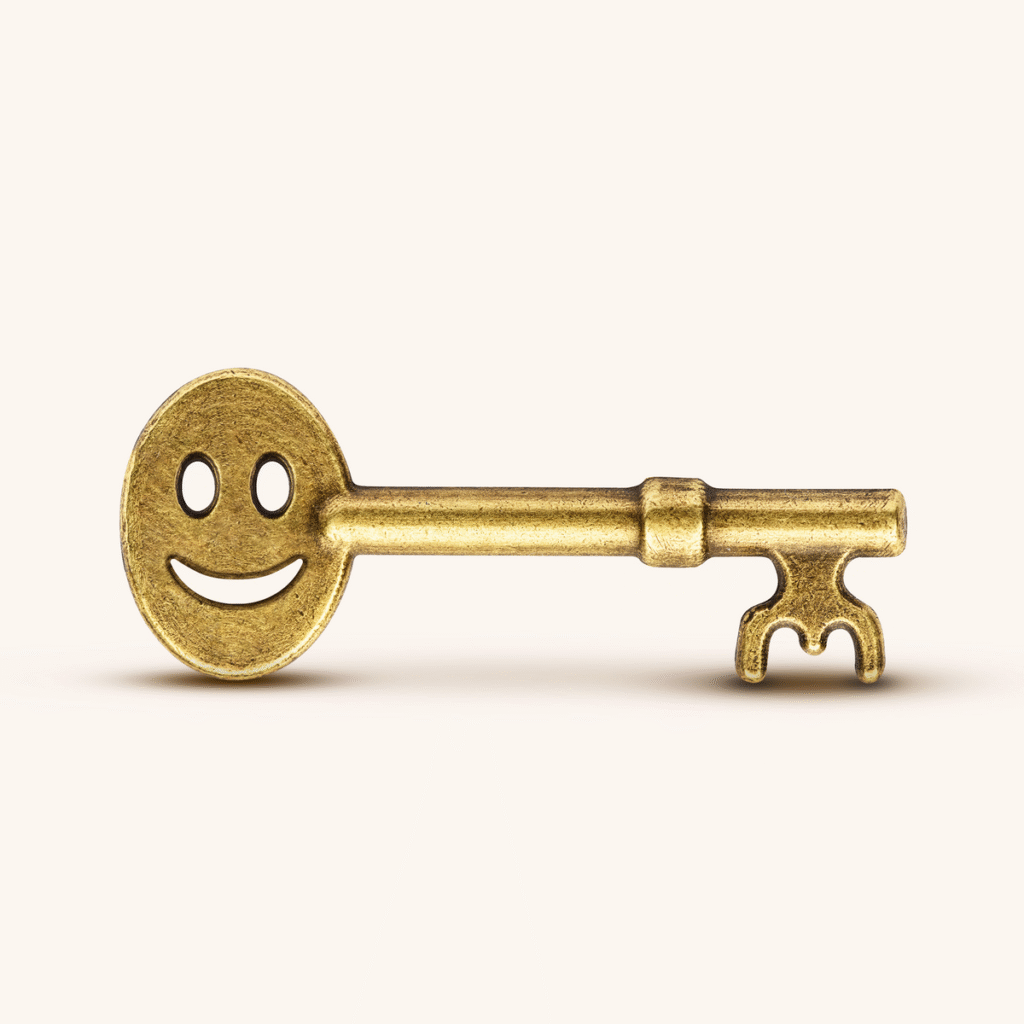
Today, laughter therapy clubs are gaining popularity worldwide. Dr. Madan Kataria from India introduced the concept of “laughter yoga,” encouraging laughter without reason as a practice for improving mental health. Hospitals, elder care homes, and mental health centers now use laughter therapy as a complementary treatment.
Laughter in Literature and Art
In literature, laughter appears through humor, satire, and playful narratives. In Nepali literature, writers like Krishna Prasad Koirala, Modnath Prashrit, and Bhupi Sherchan have incorporated humor in their works. Comedians, stand-up artists, and mimicry performers use laughter as a tool to expose social flaws and injustices.
Limits and Cautions of Laughter
Although laughter is positive, its context and limits matter. Laughter that hurts others’ feelings, ridicules, or insults is viewed negatively in society. Therefore, laughter should be respectful, cultured, and within ethical boundaries.
Conclusion
Laughter is a priceless gift — free yet immeasurably valuable. It is a beauty of life, a tonic for health, a bridge for society, and a light for the soul. By incorporating laughter into our daily lifestyle, individuals, communities, and nations can become healthier, more positive, and happier.
Let’s begin each day with a smile and make life more colorful!
Smile: The Sign of Happiness

A smile is one of the most powerful expressions among human emotions. It is not just a facial gesture; it reflects our inner state, satisfaction, love, compassion, and positive energy. The phrase “Smile: The Sign of Happiness” beautifully captures this truth.
Definition and Nature of a Smile
A smile is the gentle movement of facial muscles that creates an expression of joy, warmth, or comfort. It can occur naturally or be expressed as a part of social etiquette and behavior. A genuine smile, known as a Duchenne Smile, involves not just the lips but also the muscles around the eyes, signaling authentic happiness.
Smile and Mental Health
Research shows that smiling positively affects mental health. Smiling triggers the release of neurotransmitters like dopamine, serotonin, and endorphins in the brain, reducing stress and creating feelings of happiness. Interestingly, even forced smiling can send signals to the brain, leading to a real sense of improved mood.
The Role of Smile in Social Relationships
A smile is a foundational element of social bonding. A simple smile can reduce the distance between strangers, foster intimacy, and build trust. For professionals such as healthcare workers, teachers, and customer service personnel, a smile is a vital tool for achieving success and connection.
Smile and Cultural Perspectives
The meaning of a smile can vary across cultures. In Japanese culture, a smile may sometimes be used to mask discomfort or embarrassment. In Western cultures, a smile is more commonly associated with openness and confidence. In Hindu and Buddhist philosophies, a smile is linked to inner peace and compassion. The gentle smile on Buddha’s statues symbolizes spiritual enlightenment.
Smile in Ayurveda and Yoga
In Ayurvedic philosophy, a smile is seen as a sign of a sattvic mind—a pure, balanced mental state. Positive emotions like love, compassion, and forgiveness, expressed through a smile, help maintain purity in thought, speech, and action. In yoga, practices like Smita Asana (smiling posture) are believed to enhance mental balance and resilience. According to Ayurveda’s concept of Achara Rasayana (behavioral rejuvenation), a smile acts like a tonic for promoting health and longevity.
Biological Benefits of Smiling
Science acknowledges smiling as a booster for immunity. Smiling lowers blood pressure, improves heart health, and reduces the perception of pain. Hospitals even incorporate laughter therapy because of its physiological and psychological benefits.
Smile and Philosophy of Life
Life is filled with sorrows, challenges, and difficulties. The ability to maintain a smile even in hard times reflects a higher philosophy of life. The smiles of global leaders like Mahatma Gandhi, Nelson Mandela, and the Dalai Lama served as beacons of hope during adversity.
Conclusion
Ultimately, a smile is not just a facial decoration—it is the language of the soul. A genuine smile doesn’t only brighten your own face; it illuminates the hearts of many around you. Therefore, sharing a smile each day is not just a sign of happiness; it is an act of humanity.
“A smile is the universal welcome.” – Max Eastman
Let us embrace smiling as a fundamental expression of joy and well-being in our lives.




ti4gdm