

Table of Contents
Cerebral Atrophic Changes: An Introduction
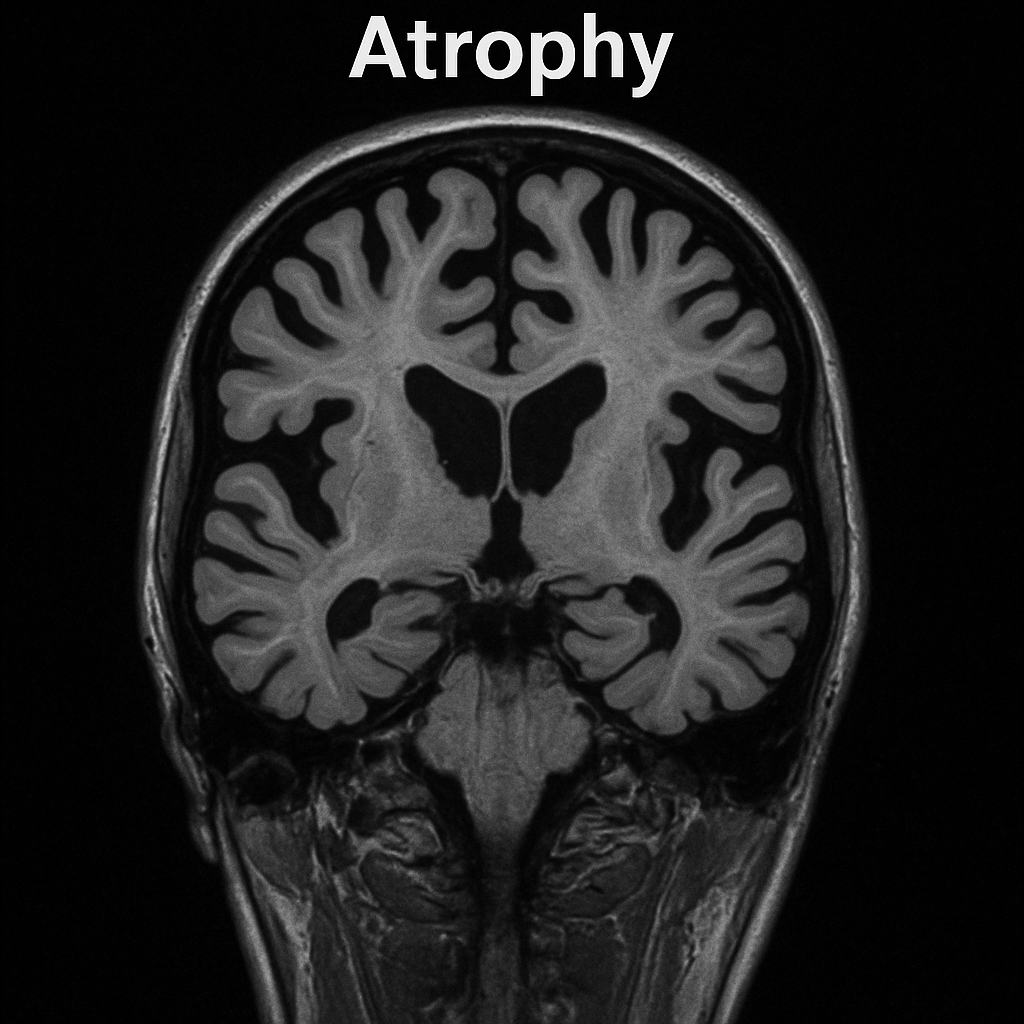
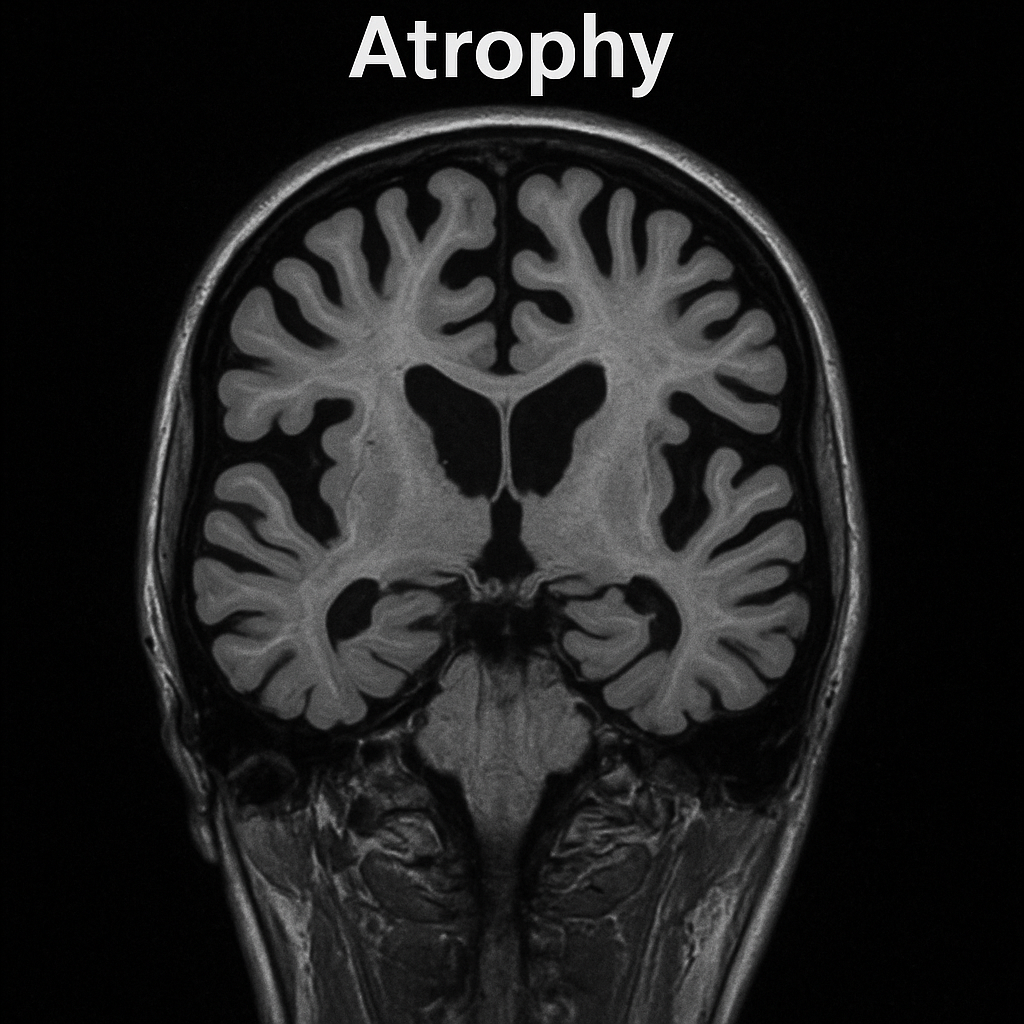
“Cerebral atrophic changes” refer to the loss or shrinkage of brain cells and the connections between them. It is a condition that can occur at any age but is more commonly associated with aging. This article explores the definition, causes, symptoms, diagnosis, Ayurvedic perspective, modern medical treatment, preventive measures, and lifestyle recommendations.
Definition
Cerebral atrophy is the progressive loss of neurons (nerve cells) and the connections between them. It leads to a reduction in the total brain volume, which can be detected through imaging studies such as MRI or CT scans.
There are two main types:
Generalized atrophy – affecting the entire brain
Focal atrophy – limited to specific areas of the brain
Causes
Normal Aging
A natural decline in brain volume due to cell death with age
Neurological Disorders
Alzheimer’s Disease
Parkinson’s Disease
Huntington’s Disease
Multiple Sclerosis
Epilepsy
Stroke
Infections
HIV/AIDS
Neurosyphilis
Encephalitis
Brain Injury
Traumatic brain injuries, concussions
Other Causes
Chronic alcohol consumption
Nutritional deficiencies (e.g., Vitamin B12)
Chronic stress and psychiatric disorders
Genetic predisposition
Clinical Features
Memory loss
Difficulty concentrating or focusing
Impaired speech or comprehension
Behavioral changes
Difficulty walking or balance issues
Mental sluggishness
Inability to perform daily activities
Symptoms vary depending on the region of the brain affected.
Investigation & Diagnosis
MRI scan – most reliable for measuring brain shrinkage
CT scan
Neurological exams
Cognitive tests (MMSE, MoCA)
Blood tests – to rule out infections or deficiencies
Ayurveda Perspective
In Ayurveda, cerebral atrophy is primarily related to Majja Dhatu Kshaya (depletion of nerve tissue), Vata imbalance, and malfunctioning of Medovaha Srotas (channels related to fat and nervous tissue).
Related Concepts
Majja Kshaya – degeneration of the marrow/nervous system
Vata Vriddhi – aggravation of air element causing dryness and deterioration
Prajnaparadha – misuse of intellect and mental faculties
Treatment in Ayurveda
Tamas & Rajas increase – mental dullness and overactivity
Basti Therapy – medicated enemas (e.g., Anuvasana Basti with Brahmi Taila)
Nasya Therapy – nasal drops with medicated oils (e.g., Brahmi ghee, Shankhpushpi taila)
Shirodhara – oil dripping therapy to calm the nervous system
Rasayana (Rejuvenation)
Herbs: Brahmi, Ashwagandha, Shankhpushpi, Yashtimadhu, Vacha
Preparations: Brahmi Ghrita, Ashwagandha Lehyam
Yoga, Meditation, and Pranayama
Modern Medical Management
Though cerebral atrophy is irreversible, its progression can be slowed.
Medications (e.g., Donepezil for Alzheimer’s, Levodopa for Parkinson’s)
Physical and occupational therapy
Cognitive behavioral therapy
Nutritional support – Vitamin B12, Omega-3, antioxidants
Mental stimulation – puzzles, games, music therapy, meditation
Prevention and Lifestyle Recommendations
Regular yoga and pranayama
Medhya (brain-nourishing) diet: ghee, nuts, cow milk, turmeric, fresh vegetables
6–8 hours of quality sleep
Stress-free lifestyle
Avoid alcohol, smoking, and intoxicants
Daily mindfulness practices and chanting
Active social engagement
Conclusion
Cerebral atrophic changes are serious but slow-progressing conditions. While they may not be completely curable, their impact can be significantly minimized through a holistic approach combining Ayurveda and modern medicine. Proactive mental health care, brain-nourishing foods, and a balanced lifestyle can help preserve cognitive functions and improve quality of life, especially in the elderly and those at risk.
Cerebral Atrophic Changes Cerebral Atrophic Changes Cerebral Atrophic Changes Cerebral Atrophic Changes Cerebral Atrophic Changes Cerebral Atrophic Changes