

Table of Contents
Dehydration: An Introduction
Water is essential for the human body, and its deficiency leads to dehydration, which can be life-threatening. The World Health Organization (WHO) classifies into different levels and provides three treatment plans (Plan A, B, and C) for effective management.
WHO Classification
WHO classifies dehydration into three categories:
No Dehydration
Symptoms:
Normal activity and alertness
Normal eyes
Moist mouth and tongue
Skin returns to normal immediately when pinched.
Normal urine output
Treatment:
Encourage increased fluid intake
Continue breastfeeding and feeding as usual
Prioritize liquid-based foods
Some (Mild to Moderate)

Symptoms
Fatigue or irritability
Sunken eyes
Dry mouth and tongue
Skin takes longer to return to normal when pinched
Reduced urine output
Treatment (Plan B)

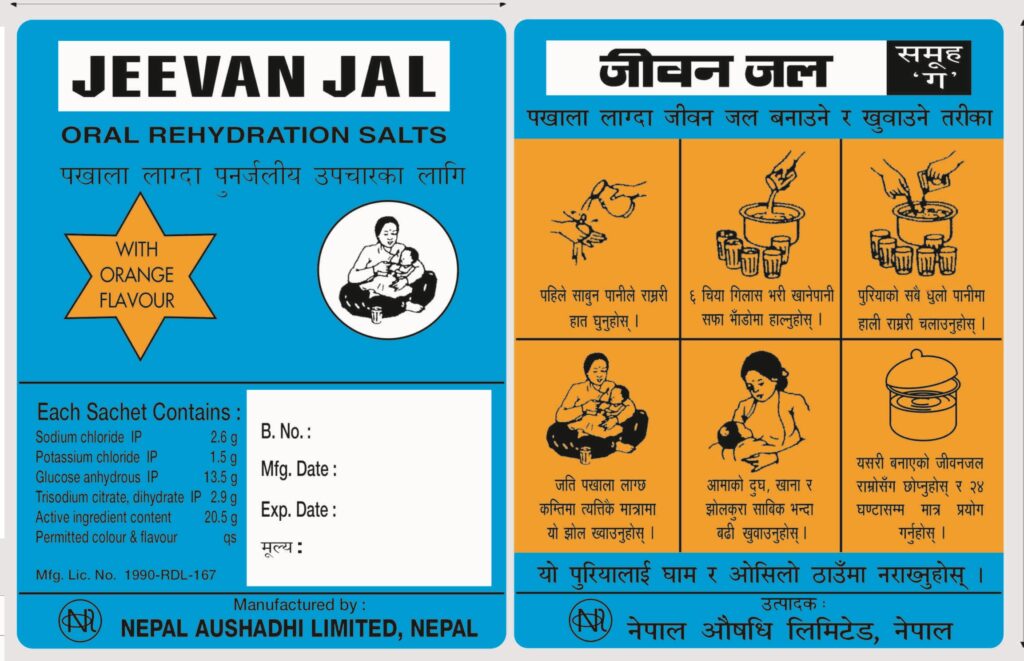
Provide Oral Rehydration Solution (ORS)
Give ORS based on body weight (75 ml/kg over 4 hours)
Continue breastfeeding or other fluid intake
Reassess after 4 hours and decide if further treatment is needed
Severe

Symptoms
Lethargy or unconsciousness
Deeply sunken eyes
Extremely dry mouth
Skin takes a very long time to return to normal when pinched
No urine output
Treatment (Plan C)
Immediate hospitalization
IV fluid administration
First hour: 30 ml/kg Ringer’s lactate solution
Over the next five hours: 70 ml/kg IV fluid
Shift to ORS once the condition improves
WHO Treatment Plans (Plan A, B, C)
Plan A:
Home Treatment (No Dehydration)
Encourage increased fluid intake
Provide ORS or liquid foods (lentil soup, rice water, broth, coconut water)
Continue breastfeeding
Give zinc supplements (10 mg/day for children under 6 months, 20 mg/day for older children, for 10 days)
Seek medical help if symptoms worsen
Plan B
Administer ORS (75 ml/kg over 4 hours)
Continue feeding with liquid foods
If vomiting occurs, wait 5–10 minutes before reintroducing ORS
Reassess after 4 hours to decide if Plan C is needed
Plan C
Immediate IV fluid administration
Ringer’s lactate: 30 ml/kg in the first hour, then 70 ml/kg over five hours
If the patient can drink, provide ORS
If unconscious, provide emergency medical care
Conclusion
The WHO classification and treatment plans are simple yet highly effective. Managing through Plan A, B, and C can save lives. Timely intervention with ORS, fluid-based diets, breastfeeding, and emergency IV fluids is crucial in preventing complications and ensuring a quick recovery


9ktg80
ihuj9b
auu591
mfd72q