

Doshaja Vikara: Diseases due to Imbalance of Three Body Humors: An Introduction
Table of Contents
Doshaja Vikara: Diseases due to Imbalance of Three Body Humors are 80 Vata Disorders, 40 Pitta Disorders, and 20 Kapha Disorders.
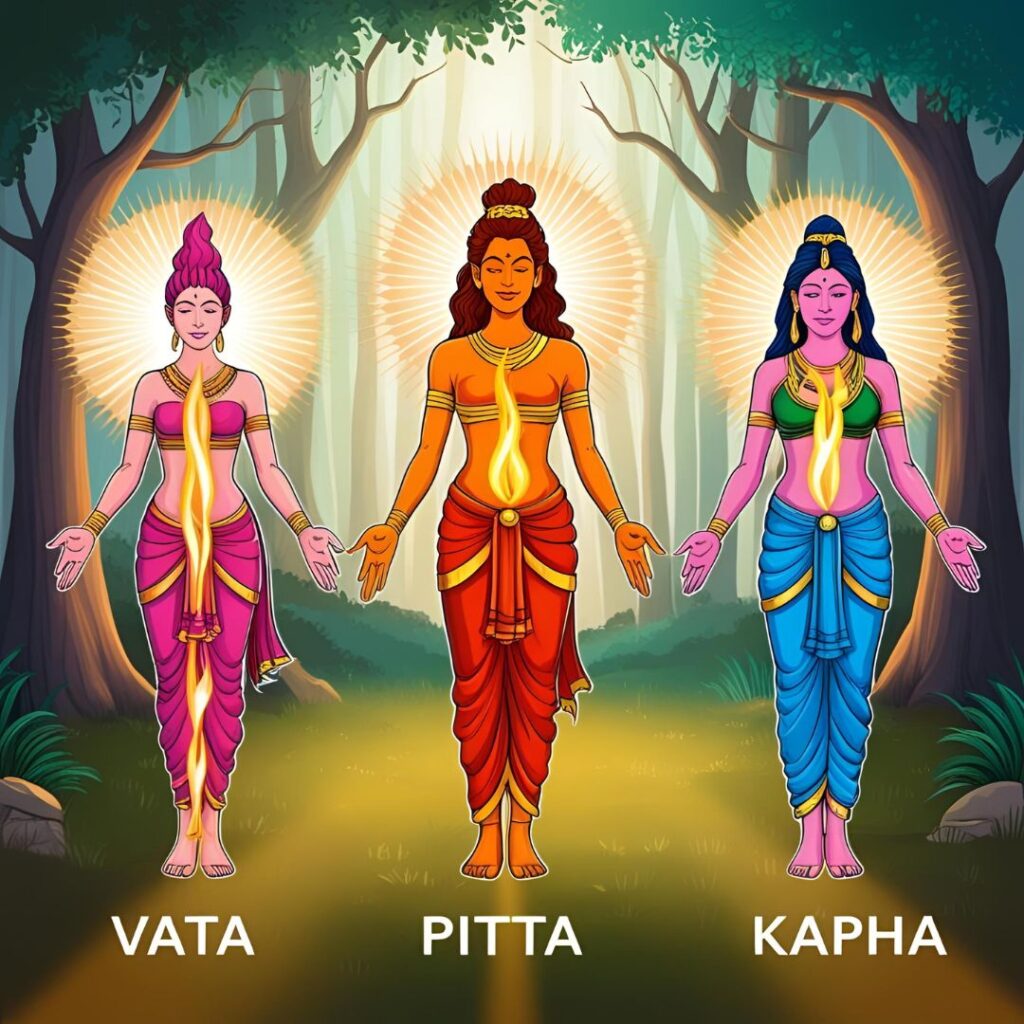
Ayurveda, the ancient system of medicine, classifies all diseases based on the imbalance of the three fundamental bio-energies or doshas—Vata, Pitta, and Kapha. According to Charaka Samhita, there are 80 Vata disorders, 40 Pitta disorders, and 20 Kapha disorders. Understanding these classifications is essential for diagnosing diseases and formulating treatment plans in Ayurveda.
The Universal Medicines
“For the disorders of the body, the ultimate medicines, in order, are:
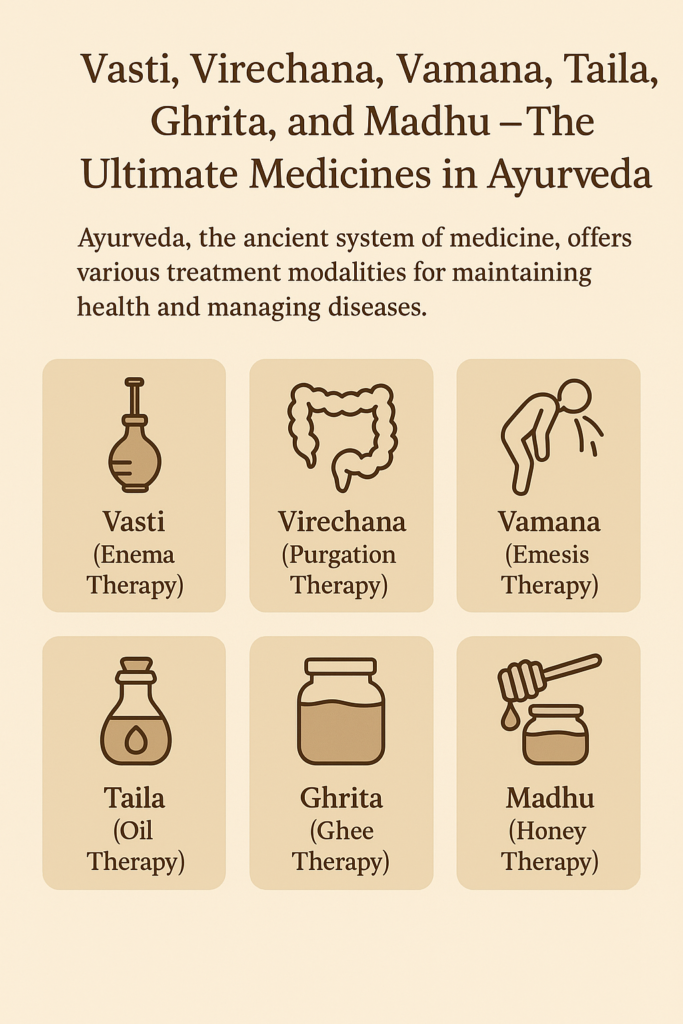
Vasti (enema), Virechana (purgation), Vamana (emesis), Taila (oil), Ghrita (ghee), and Madhu (honey).”
Vasti and Taila are the best medicines for Vata,
Virechana and Ghrita for Pitta,
and Vamana and Madhu for Kapha.
All these are universal medicines for bodily disorders.
Basti, Virechana, Vamana, Taila, Ghrita, and Madhu – The Ultimate Medicines in Ayurveda
Ayurveda, the ancient system of medicine, offers various treatment modalities for maintaining health and managing diseases. The verse:
शरीरजानां दोषाणां क्रमेण परमौषधम् । बस्ति: विरेको वमनं तथा तैल घृतं मधु: ॥
“Sharirajanam doshanam kramena paramoushadham
Basti virerko vamanam tathataila ghritam madhu”
translates to:
“For the disorders of the body, the ultimate medicines are, in order – Vasti (enema), Virechana (purgation), Vamana (emesis), Taila (oil), Ghrita (ghee), and Madhu (honey).”
This verse highlights six essential therapeutic interventions in Ayurveda that help in balancing bodily humors (doshas) and maintaining overall health. Let’s explore these remedies in detail.
Basti (Enema Therapy)
Vasti is one of the most significant therapies in Panchakarma, primarily used for balancing Vata dosha. It involves administering medicated oils, decoctions, or herbal preparations through the rectum to cleanse and nourish the body.
Benefits of Basti
Balances Vata dosha
Improves digestion and gut health
Strengthens the nervous system
Effective in joint disorders and arthritis
Promotes longevity and vitality
Virechana (Purgation Therapy)
Virechana is mainly used for Pitta dosha purification. It involves the controlled use of herbal laxatives to eliminate excess bile (pitta) from the system, thereby detoxifying the body.
Benefits of Virechana
Detoxifies the liver and gallbladder
Enhances digestion and metabolism
Treats skin diseases like eczema and psoriasis
Helps in weight management
Vamana (Emesis Therapy)
Vamana therapy is used to expel excess Kapha dosha from the body through controlled vomiting. This process helps remove mucus accumulation, improving respiratory and digestive health.
Benefits of Vamana
Clears the respiratory tract (useful for asthma, bronchitis)
Improves metabolism and digestion
Enhances mental clarity
Reduces lethargy and heaviness
Taila (Oil Therapy)
Ayurveda emphasizes the use of medicated oils both internally and externally. Oil therapies such as Abhyanga (massage), Nasya (nasal oil application), and Pichu (oil-soaked cotton applications) are commonly practiced for nourishment and healing.
Benefits of Taila
Strengthens bones and joints
Enhances skin health
Nourishes the nervous system
Alleviates stress and fatigue
Ghrita (Ghee Therapy)
Ghee (clarified butter) is considered a superfood in Ayurveda. It is highly beneficial for digestion, brain function, and immunity. Ghee is often used in Panchakarma therapies like Snehana (oleation therapy) to lubricate the internal system.
Benefits of Ghrita
Boosts memory and cognitive function
Aids digestion and enhances gut health
Strengthens immunity
Provides deep nourishment and balances all three doshas
Madhu (Honey Therapy)
Honey is a natural detoxifier and medicinal substance with numerous health benefits. Ayurveda considers honey a versatile remedy for both internal and external applications.
Benefits of Madhu
Acts as a natural antioxidant and detoxifier
Aids in wound healing and skin regeneration
Boosts immunity and energy levels
Soothes cough and respiratory ailments
Conclusion
This verse encapsulates the essence of Ayurvedic detoxification and nourishment techniques. Vasti cleanses Vata, Virechana removes Pitta, and Vamana eliminates Kapha. Taila and Ghrita provide deep nourishment, while Madhu serves as a natural healer. These therapies, when practiced appropriately, help maintain a balanced body, mind, and spirit, promoting longevity and overall well-being.
Incorporating these Ayurvedic principles into daily life can significantly enhance health and prevent chronic diseases, aligning with Ayurveda’s ultimate goal—“Swasthasya Swasthya Rakshanam, Aturasya Vikara Prashamanam” (Maintaining the health of the healthy and treating diseases of the ill).
Vata Disorders (80 Types)
Role of Vata Dosha
Vata is the force responsible for all movement, communication, and nervous system functions in the body. It controls mobility, circulation, respiration, and mental agility. When imbalanced, Vata leads to 80 types of disorders, mostly affecting the nervous system, joints, digestion, and overall energy levels.
Key Symptoms of Vata Imbalance
Dryness, roughness in the body
Joint pain and stiffness
Tremors and involuntary movements
Constipation, bloating, and irregular digestion
Insomnia and fatigue
Anxiety and restlessness
Major Vata Disorders
Paralysis (Paksaghata) – Loss of movement due to nerve dysfunction
Arthritis (Sandhivata) – Joint inflammation and pain
Lower Back Pain (Katigraha) – Chronic pain in the lumbar region
Chronic Constipation (Adhovata) – Difficulty in bowel movements
Glaucoma (Akshipaka) – Increased eye pressure and vision problems
Muscle Atrophy (Hasta-Pada Shosha) – Weakness and loss of muscle mass
Parkinson’s Disease (Kampa Vata) – Uncontrollable shaking of hands or body
Loss of Voice (Dhvani Kshaya) – Weak or hoarse voice
Anxiety and Depression (Manodourbalya) – Mental instability due to Vata aggravation
Osteoporosis (Granthi Shosha) – Weak and brittle bones
Treatment Approaches
Abhyanga (Oil Massage) – Using warm sesame or medicated oils
Vata-Pacifying Diet – Ghee, warm milk, cooked vegetables, nuts, and warm water
Panchakarma Therapy – Basti (medicated enemas) for balancing Vata
Herbal Remedies – Ashwagandha, Bala, Shatavari, and Dashamoola
Meditation & Yoga – Grounding asanas and Pranayama
Pitta Disorders (40 Types)
Role of Pitta Dosha
Pitta governs digestion, metabolism, body temperature, intelligence, and vision. When imbalanced, it causes excessive heat, acidity, inflammation, and emotional disturbances such as anger and irritability.
Key Symptoms of Pitta Imbalance
Excessive sweating
Heartburn and acidity
Skin rashes and inflammation
Irritability, impatience, and anger
Increased thirst
High blood pressure
Major Pitta Disorders
Acidity (Amlapitta) – Excess stomach acid causing acid reflux
Nosebleeds (Rakta Pitta) – Bleeding from the nose due to heat in the body
Fever (Pittaj Jwara) – High fever with burning sensation
Migraine (Pittaj Shirashoola) – Severe headaches with heat sensation
Skin Disorders (Pittaj Visphotaka) – Rashes, eczema, or urticaria
Insomnia (Nidranasha) – Difficulty falling asleep
Liver Disorders (Yakrit Vikara) – Jaundice, fatty liver, hepatitis
Hypertension (Rakta Chapa Vriddhi) – Increased blood pressure
Vision Problems (Drishti Kshaya) – Weak eyesight due to Pitta imbalance
Excess Body Heat (Ushnata Vriddhi) – Overheating of the body
Treatment Approaches
Cooling Herbs – Shatavari, Brahmi, Chandana, and Guduchi
Soothing Diet – Milk, ghee, coconut water, sweet fruits, and cooling herbs
Avoid Spicy & Fried Foods – To prevent excess heat accumulation
Panchakarma Therapy – Virechana (purgation therapy) to remove excess Pitta
Shirodhara Therapy – Medicated oil poured on the forehead to cool the mind
Kapha Disorders (20 Types)
Role of Kapha Dosha
Kapha governs stability, immunity, nourishment, lubrication, and strength. When imbalanced, it causes heaviness, sluggishness, mucus accumulation, and metabolic disorders like obesity and diabetes.
Key Symptoms of Kapha Imbalance
Lethargy and sluggishness
Excess mucus production
Weak digestion and slow metabolism
Water retention and swelling
Weight gain
Frequent colds and congestion
Major Kapha Disorders
Sinusitis (Pratishyaya) – Nasal congestion due to excess mucus
Chronic Cough (Kasa) – Persistent phlegm-filled cough
Asthma & Bronchitis (Shwasaroga) – Difficulty in breathing
Excessive Sleep (Ati Nidra) – Drowsiness and fatigue
Slow Digestion (Mandagni) – Poor appetite and bloating
Obesity (Sthoulya) – Accumulation of excess fat
Diabetes (Kapha-Type Madhumeha) – Insulin resistance and slow metabolism
Goiter (Galaganda) – Thyroid dysfunction
Lethargy (Alasya) – Feeling unmotivated and sluggish
Lung Congestion (Phuphphusa Vikara) – Fluid retention in lungs
Treatment Approaches
Kapha-Reducing Herbs – Trikatu (Ginger, Black Pepper, Long Pepper), Tulsi, and Honey
Light & Warm Diet – Spices, warm soups, green vegetables
Avoid Heavy & Cold Foods – Dairy, fried foods, and excessive sweets
Regular Exercise & Yoga – Dynamic movements like Surya Namaskar
Panchakarma Therapy – Vamana (therapeutic vomiting) to remove excess Kapha
Conclusion
Each dosha imbalance leads to specific disorders, and Ayurveda provides a holistic approach to treatment through diet, lifestyle changes, herbal remedies, and detoxification therapies. By aligning with nature and maintaining a balanced lifestyle, one can prevent and manage these disorders effectively. Ayurveda is not just about treating diseases but about creating a harmonious, disease-free life.
Doshaja Vikara Doshaja Vikara Doshaja Vikara Doshaja Vikara Doshaja Vikara Doshaja Vikara Doshaja Vikara Doshaja Vikara Doshaja Vikara Doshaja Vikara Doshaja Vikara Doshaja Vikara Doshaja Vikara


98680t