


Table of Contents
Happy Hormones: An Introduction
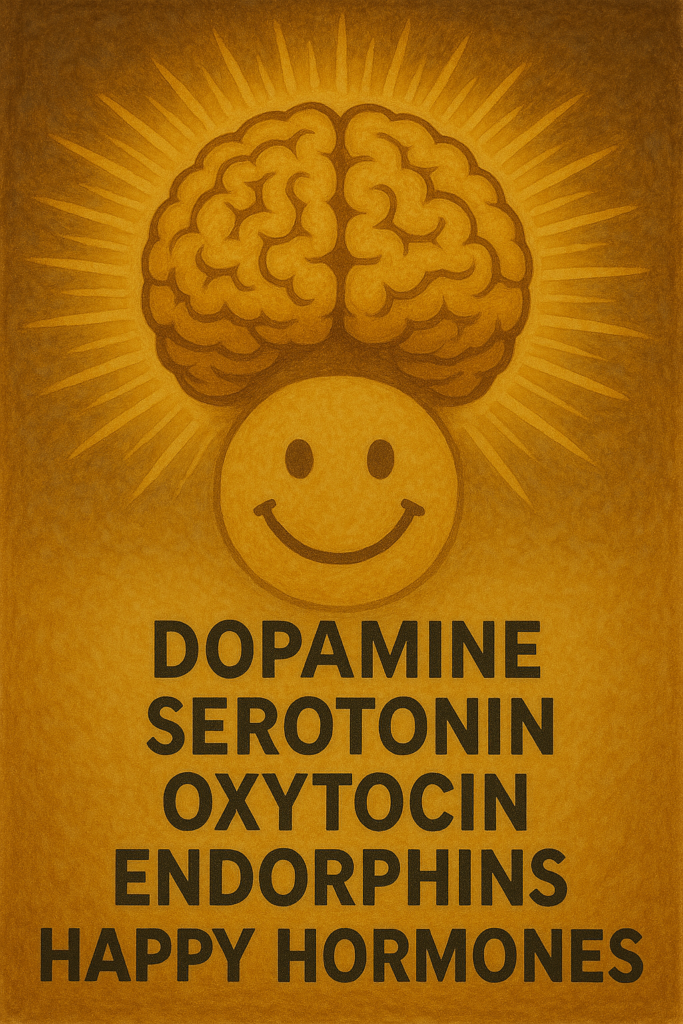
The term “Happy Hormones” refers to certain chemical messengers in the human body that play a crucial role in promoting positive emotions, mental well-being, and a sense of satisfaction. These hormones are responsible for our feelings of happiness, love, motivation, relaxation, and even pain relief. An imbalance in these hormones can lead to stress, irritability, anxiety, or depression. Understanding them is essential for maintaining a healthy body-mind connection. Dopamine, Serotonin, Oxytocin & Endorphins are happy hormones.
Happiness is a complex and multifaceted emotion that encompasses a range of positive feelings, from contentment to intense joy. It is often associated with positive life experiences, such as achieving goals, spending time with loved ones, or engaging in enjoyable activities.
The Happiness Index is a measure of a nation’s overall well-being and life satisfaction. It considers various factors, including psychological well-being, health, social support, and environmental factors. The United Nations World Happiness Report is a prominent example, with Finland consistently ranking high for the eighth year in a row.
What it measures:
Life satisfaction: How content people are with their overall lives.
Happiness: The subjective feeling of happiness and well-being.
Other happiness domains: Factors like psychological well-being, health, time balance, community, social support, education, environment, governance, material well-being, and work.
Key Factors Contributing to Happiness
- Social support: Having strong social connections and a sense of belonging.
- Healthy life: Good physical and mental health.
- Time balance: Finding a balance between work, leisure, and personal life.
- Education: Access to quality education and opportunities for learning.
- Environment: Living in a healthy and sustainable environment.
- Governance: Good governance and a sense of security.
- Material well-being: Having access to basic necessities and a comfortable standard of living
Major Happy Hormones and Their Functions
Dopamine – The Reward Chemical
Nickname: “The Feel-Good Hormone”
Functions:
Associated with pleasure, motivation, goal achievement, and reward-based learning.
Ways to Boost:
Accomplishing small and big goals
Engaging in creative activities (art, music, writing)
Regular exercise
Meditation and mindfulness
Getting adequate sleep
Serotonin – The Mood Stabilizer
Nickname: “The Mood Hormone”
Functions: Regulates mood, sleep, appetite, digestion, and overall emotional stability.
Ways to Boost:
Exposure to sunlight
Daily exercise (especially aerobic exercises)
Balanced, nutrient-rich diet (especially rich in tryptophan)
Yoga, pranayama, and mindful breathing
Positive thinking and gratitude practices
Oxytocin – The Love Hormone
Nickname: “The Bonding Hormone”
Functions:
Promotes bonding, trust, empathy, intimacy, and maternal behavior.
Ways to Boost:
Physical touch (hugs, holding hands)
Spending quality time with loved ones
Acts of kindness and compassion
Caring for pets or small children
Social connections and heartfelt conversations
Endorphins – The Natural Painkillers
Nickname: “The Runner’s High Hormone”
Functions:
Reduce pain, enhance pleasure, relieve stress and improve mood.
Ways to Boost:
Laughing heartily
Intense physical workouts
Dancing and listening to music
Aromatherapy and Ayurvedic oil massage (Abhyanga)
Eating dark chocolate or spicy foods in moderation
Happy Hormones in the Ayurvedic Perspective
In Ayurveda, emotional well-being is deeply connected to the balance of Tridoshas (Vata, Pitta, Kapha), the Sattva quality (purity and harmony), and proper functioning of the mind (Manas). Ayurveda may not use the term “hormones” explicitly, but it provides timeless wisdom on how to naturally balance them through:
Brahmamuhurta Practice:
Waking up early and starting the day with spiritual routines like meditation and chanting.
Sattvic Diet:
Fresh, wholesome, vegetarian food that promotes clarity and peace of mind.
Dinacharya & Ritucharya:
Following daily and seasonal routines in harmony with nature.
Sadvrtta & Achar Rasayana:
Ethical conduct, self-discipline, truthfulness, and cultivating positive mental habits.
Conclusion
“Happy Hormones” are not just biochemical substances; they are central to how we feel, act, connect, and live. While modern science explains their neurochemical mechanisms, Ayurveda offers a holistic and preventive approach to balance them naturally. By adopting a lifestyle rooted in love, mindfulness, discipline, and healthy living — combining both scientific and traditional wisdom — we can harmonize these happy hormones and live a more joyful, resilient, and meaningful life.


8f7plb
chq95q