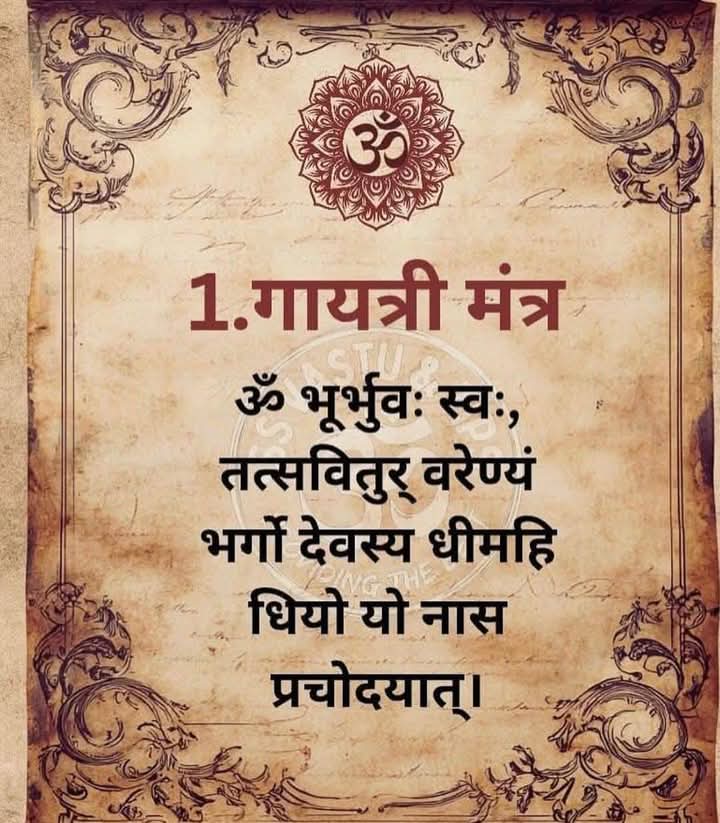

Mangalaacharana: An Introduction


In human life, it is customary to begin any endeavor with good wishes, positive thoughts, and a sense of sanctity. In Hinduism, Buddhism, Jainism, and other Indian philosophies, this tradition of starting auspiciously is known as Mangalaacharan. The term comes from two Sanskrit words: “Mangala”, meaning auspicious or blessed, and “Aacharan”, meaning conduct or act. Therefore, Mangalaacharan refers to the invocation or prayer uttered at the beginning of any task, ceremony, or literary work for blessings and success.
Definition of Mangalaacharana

Table of Contents
In Sanskrit literature and religious scriptures, Mangalaacharan is often described as:
“Shubham kuryat sarvakaryeshu” — “May every task begin with auspiciousness.”
Typically, it involves offering prayers to deities, gurus, or spiritual forces before starting a text, performance, or any major event. It is believed to purify the environment and attract divine blessings.
Purpose of Mangalaacharan:

Invocation of Positivity and Blessings:
To begin with a mindset full of optimism and spiritual harmony.
Prevention of Obstacles

A prayer that no hindrance should arise during the work.
Seeking Divine Grace
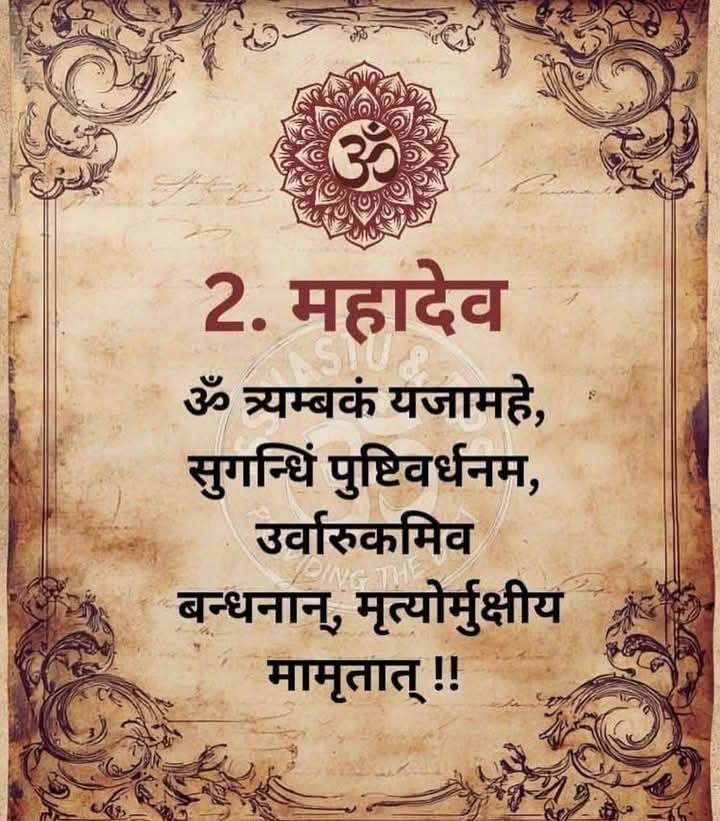
Inviting blessings from deities, gurus, or spiritual guides.
Respect for the Audience/Readers:
To focus the minds of listeners or readers and gain their reverence.
Types of Mangalaacharana
Divine Invocation (Daivik Mangalaacharan):
Offering prayers to gods and goddesses.
Example:
“Vakratunda Mahakaya Suryakoti Samaprabha,
Nirvighnam Kurume Deva Sarvakaryeshu Sarvada.”
(A prayer to Lord Ganesha)
Spiritual Invocation

Worship of the Guru, Brahman, or Supreme Reality.
Example:
“Gurur Brahma Gurur Vishnu Gurur Devo Maheshwarah,
Guru Sakshat Param Brahma Tasmai Shri Gurave Namah.”
Educational or Literary Invocation
Invocation of Saraswati, Vyasa, or other literary/spiritual figures for intellectual clarity.
Social or Universal Invocation
Importance in Literature
Seeking blessings for the society, culture, or nation as a whole.
Mangalaacharan holds a prominent place in Indian literature. Poets like Kalidasa, Bhavabhuti, Bhasa, and Banabhatta often began their works with an invocation. It not only sets the tone for the work but also gives it spiritual depth.
Example from Kalidasa’s “Kumarasambhava”:
“Vagarthaviva sampriktau vagarthapratipattaye,
Jagatah pitarau vande Parvati Parameshvarau.”
(I bow to Parvati and Shiva, the eternal couple — like speech and its meaning, inseparable.)
Mangalaacharana in the Nepali Context
In Nepalese culture as well, Mangalaacharan is widely practiced in religious rituals, weddings, festivals, and even in folk songs. Before starting any sacred act, people invoke deities for a successful outcome. Folk singers may begin songs with a salutation to gods and goddesses, reflecting this deep-rooted tradition.
Conclusion
Mangalaacharan is not just a religious formality; it is a spiritual, cultural, and psychological practice that aligns our mind with positive intent. It is a symbolic and real gesture to begin every journey with grace, reverence, and purity. Even today, in modern contexts, the essence of Mangalaacharan remains just as meaningful — bringing sanctity to action, literature, and life itself.


