

Table of Contents

Healthcare priorities should be set by the WHO in two health domains for NCD prevention: preventive and promotive healthcare. In the coming days, healthcare priorities should focus on raising awareness about Ayurveda lifestyles among various target groups in society, including the modern medical fraternity. Additionally, Ayurveda lifestyles should be integrated into school and university curricula globally and incorporated into the national health policies of countries worldwide. WHO should rethink about the healthcare priority.
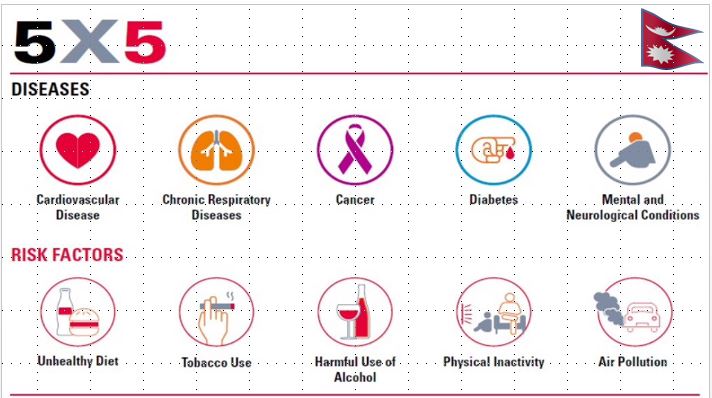
Ayurveda, the oldest medical system of the globe, keeps preventive and promotive measures in first healthcare priority. Non-communicable diseases (NCDs) such as cardiovascular diseases, diabetes, cancer, and chronic respiratory diseases are the leading causes of mortality worldwide. According to the World Health Organization (WHO), NCDs account for nearly 74% of global deaths. Given this alarming statistic, it is crucial to shift the focus from curative approaches to preventive and promotive healthcare to mitigate the NCD burden.
Why Should WHO Focus on Preventive and Promotive measures in healthcare priority?
Cost-Effective and Sustainable Approach
Healthcare priorities should be set by the WHO in two health domains for NCD prevention: preventive and promotive healthcare. The economic burden of NCDs is enormous, affecting both healthcare systems and national economies. Preventive strategies, such as lifestyle modifications, early screening, and community awareness programs, are far more cost-effective than managing chronic diseases in advanced stages. WHO’s investment in preventive healthcare can significantly reduce long-term healthcare costs and improve global health outcomes.
Addressing the Root Causes of NCDs
Healthcare priorities should be set by the WHO in two health domains for NCD prevention: preventive and promotive healthcare. The primary risk factors for NCDs include unhealthy diets, physical inactivity, tobacco use, and excessive alcohol consumption. WHO can play a pivotal role in implementing global policies that promote healthy living, regulate harmful substances, and encourage sustainable food systems.
Reducing Global Health Disparities
Healthcare priorities should be set by the WHO in two health domains for NCD prevention: preventive and promotive healthcare. Low- and middle-income countries bear the highest burden of NCDs due to limited access to healthcare and awareness programs. By prioritizing preventive and promotive healthcare, WHO can bridge the health equity gap, ensuring vulnerable populations have access to essential health services and education.
Key Strategies for WHO to Strengthen NCD Prevention
Promoting Ayurveda and Integrative Medicine
Healthcare priorities should be set by the WHO in two health domains for NCD prevention: preventive and promotive healthcare. Ayurveda and other traditional systems of medicine emphasize holistic well-being, diet, and lifestyle interventions. WHO can collaborate with Ayurveda experts to incorporate these time-tested preventive strategies into mainstream healthcare policies.
Strengthening Public Health Campaigns
Healthcare priorities should be set by the WHO in two health domains for NCD prevention: preventive and promotive healthcare. WHO should intensify awareness campaigns on lifestyle-related risk factors, focusing on behavioral change through community-driven initiatives.
Advocating for Policy Changes
Healthcare priorities should be set by the WHO in two health domains for NCD prevention: preventive and promotive healthcare. Implementing strict regulations on processed foods, sugar, tobacco, and alcohol can significantly reduce the prevalence of lifestyle-related diseases. WHO can support governments in enacting and enforcing such policies.
Encouraging Workplace and School-Based Health Programs
Healthcare priorities should be set by the WHO in two health domains for NCD prevention: preventive and promotive healthcare. Integrating wellness programs in workplaces and educational institutions can help instill healthy habits from an early age. WHO can play a role in setting guidelines for organizations to promote physical activity, mental well-being, and nutritious diets.
Conclusion
Healthcare priorities should be set by the WHO in two health domains for NCD prevention: preventive and promotive healthcare. Preventive and promotive healthcare is the gold standard for tackling NCDs at a global level. WHO must emphasize proactive measures, integrating Ayurveda and other holistic approaches, to create a sustainable and healthier future? By prioritizing lifestyle interventions, public health policies, and community engagement, WHO can significantly reduce the burden of NCDs and promote long-term well-being.
Research Article
Here is Vision Article from Dr. Buddhi Prasad Paudel, MD Ayurveda, Kayachikitsa, Senior Consultant Ayurveda Specialist, Medical Director, Aatreya Aarogya Mandir & Research Center, Budhanialakatha-12, Kathmandu
Role of Ayurveda lifestyles in prevention of non communicable diseases

PURPOSE
Non-communicable diseases (NCDs), including heart disease, stroke, cancer, diabetes and chronic lung disease, are collectively responsible for 74% of all deaths worldwide. NCDs share five major risk factors: tobacco use, physical inactivity, the harmful use of alcohol, unhealthy diets and air pollution. Dinacharya, Ritucharya, Sadavritta, Achara Rasayana, Sanskrit Vyakarana (Mantra and Spiritual Therapies), Vedic Food Discipline and Spiritual Psychosocial Counselling are Ayurveda Lifestyles. Most of the NCDs of modern era are reversible. Diagnosis of diseases at early stage and U turn of modern lifestyle to Ayurveda lifestyle can prevent disease progression and the population can get benefit of non pharmacological methods by saving lifelong out of pocket expenditure on medication and treatment procedures of catastrophic illnesses.
METHODS
Ayurveda lifestyles are best for health promotion and disease prevention. The global education system is deprive of the knowledge of Ayurveda lifestyles. A global mission on incorporation of Ayurveda lifestyles in school and university education of each and every faculty and Ayurveda lifestyle awareness teaching programs in national public health programs is gold standard for the prevention of alarmingly increasing incidence of NCDs globally.
RESULTS
Awareness program conducted by Aatreya Aarogya Mandir and Research Center, Nepal helped many people to reverse the NCDs. Fatty liver and Syndrome X are the initial root cause of NCDs. The patients presenting with obesity and hypertension, Dyslipidemia, Diabetes and hyperuricemia with about to cross normal range completely reversed to normal, Similarly patients presenting with sleeplessness, anxiety and other mental ailments, autoimmune diseases, chronic pain, deficiency disorders reversed their ailments to normal after following Ayurveda lifestyles.
CONCLUSION
Global health policy practitioners and all countries across the globe should incorporate Ayurveda lifestyles in their education & national health program to aware different target groups of society including the modern medical fraternity. This program can save national expenditure on curative services.


iiyr71