

Table of Contents
Vedic food habit is good for NCD prevention. According to WHO, unhealthy diet is most common risk factor of NCDs. Vedic Food Habit teaches how to make the diet healthy.


In today’s fast-paced world, Non-Communicable Diseases (NCDs) like heart disease, diabetes, and cancer have become a significant concern. While modern medicine focuses on managing symptoms, ancient practices like Ayurveda offer holistic methods to prevent and manage these diseases. One such vital aspect is the Vedic food habit, which emphasizes purity in food cultivation, preparation, and consumption.
The Vedic food habit aligns with Ayurvedic principles that focus on balance, health, and vitality. The connection between food and health, deeply rooted in Ayurveda, highlights how Vedic food habits can play a crucial role in preventing NCDs. This article explores the significance of these ancient practices, known as Āhāra Vidhi Vidhāna (food consumption techniques) and Āhāra Vidhi Viśeṣayatana (special food considerations), and how they help promote optimal health.
Purity of Agriculture Land is initial stage of Vedic Food Habit
In the Vedic tradition, the land from which food is grown holds sacred importance. The purity of the land ensures that the crops grown are free from toxins and are imbued with prana (life force energy). Fields must be cultivated with respect for nature, avoiding the use of chemicals or synthetic fertilizers, which may contaminate the food and harm human health. Clean, organic farming practices increase the nutritional value of the food, contributing to better overall health and reducing the risk of NCDs.
Importance of Clean Water and Air are as important as land for Vedic food habit

Vedic food habits extend beyond the farm to the water and air that nourish the crops. Clean, natural water sources for irrigation and pure air are seen as essential for producing healthy food. Polluted water and air can introduce harmful substances into food, leading to long-term health problems. Consuming food grown in pure, uncontaminated environments helps prevent the accumulation of toxins in the body, thereby lowering the risk of chronic diseases.
Harvesting After Maturity gives good quality food says Vedic food habit

The timing of harvest is an essential factor in the Vedic food habit. Crops should be allowed to reach full maturity before harvesting. Immature crops often lack the full spectrum of nutrients required for optimal health and may not contain the necessary prana to nourish the body. By waiting until food reaches its full potential, the nutrients are maximized, promoting better health and reducing the likelihood of NCDs.
Proper Storage of Raw Food is Part of Vedic Food Habit at store level
Proper food storage ensures that the food retains its nutritional value and purity. In Vedic food practices, food must be stored in clean, safe environments, away from contaminants. Improper storage can lead to spoilage and the growth of harmful microorganisms, which can contribute to digestive and metabolic disorders that are linked to NCDs. Ayurveda emphasizes using natural storage methods like clay pots or wooden containers to maintain the integrity of food and preserve its medicinal qualities.
Eating Habits and Techniques are Vedic Food Habits at personal level
The practice of Aahara Vidhi Vidhana refers to the prescribed techniques of eating in Ayurveda. These techniques include eating in a peaceful environment, chewing food thoroughly, and eating at the right time of day, following the body’s natural rhythms. Ayurveda recommends eating in moderation, with a focus on fresh, seasonal foods. These habits help maintain digestive fire (Agni), which is crucial for the proper absorption of nutrients and the elimination of toxins. Improper eating habits, such as overeating, eating too quickly, or eating food that is not in harmony with one’s constitution, can lead to digestive imbalances, creating a breeding ground for NCDs.
Proper Cooking Techniques are part of Vedic Food Habit at Kitchen Level
Vedic food habits also emphasize proper cooking techniques. Ayurveda suggests cooking food with care, using methods like steaming, boiling, or sautéing, which help preserve the nutritional value while also making food easy to digest. Overcooking or consuming raw food can disturb the digestive process, leading to toxin accumulation in the body, known as ama, which is a primary cause of many diseases. The use of traditional utensils, such as copper or clay pots, is also important as they retain the natural qualities of food better than modern cookware.
Hygiene of the Cook, Kitchen and Dining is an integral part of Vedic Food habit
According to Ayurveda, the mental and physical state of the cook plays a significant role in the food’s impact on health. A cook should be in a positive, calm, and balanced state, as negative emotions like anger or frustration can affect the energy of the food. This principle is connected to the psychosomatic condition of the cook, ensuring that the food prepared carries the right energy for nourishment and healing. In this way, the cook is seen as a key part of the food’s purity and vitality.

Pre and Post-Meal Disciplines are gold standard of Vedic Food Habit
Vedic food practices also incorporate pre- and post-meal rituals, which include washing hands, offering gratitude, and following a particular sequence in the meal. After meals, Ayurvedic disciplines like rest, light physical activity, and relaxation help optimize digestion and absorption. These post-meal practices assist in maintaining the balance of the body’s doshas, or energies, and prevent the buildup of toxins that can contribute to NCDs
Role of Special Food Considerations: Aahara Vidhi Visesayetana
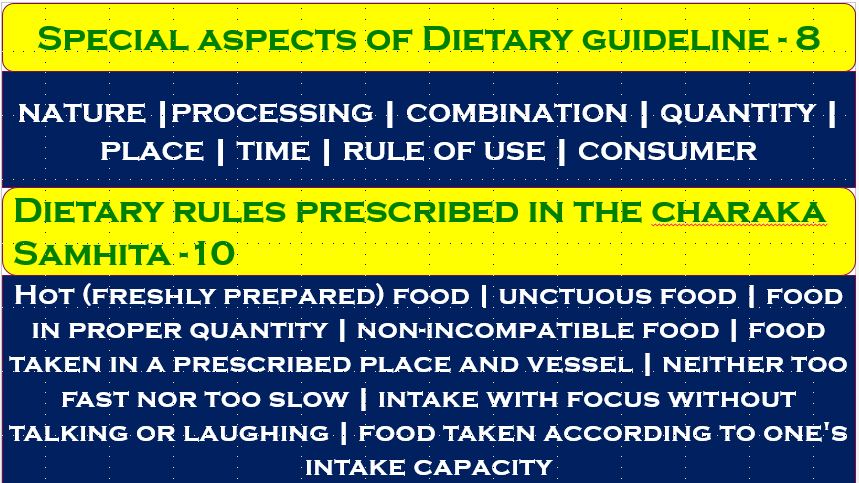
In Ayurveda, food is categorized not only by its nutritional value but also by its effect on the body’s Dosha and its suitability for the individual. Aahara Vidhi Visesayetana focuses on choosing foods that are seasonally appropriate, suitable for an individual’s body type (Prakriti), and mindful of any current health conditions. By customizing one’s diet based on these factors, Ayurveda advocates for personalized nutrition that helps prevent imbalances and the onset of NCDs.
Conclusion
Adopting Vedic food habits provides more than just nutritional benefits; it also contributes to the overall health of the body and mind. By incorporating the principles of purity in agriculture, mindful cooking, and respectful eating habits, individuals can foster a state of balance that is essential for NCD prevention. The holistic approach of Ayurveda, through the practices of Aahara Vidhi Vidhana and Aahara Vidhi Visesayatana, offers a timeless method to safeguard health and reduce the risks associated with modern lifestyle diseases.
By embracing these ancient practices, we can take proactive steps toward a healthier life, free from the burden of NCDs, and aligned with nature’s rhythms.


b1b8jd