


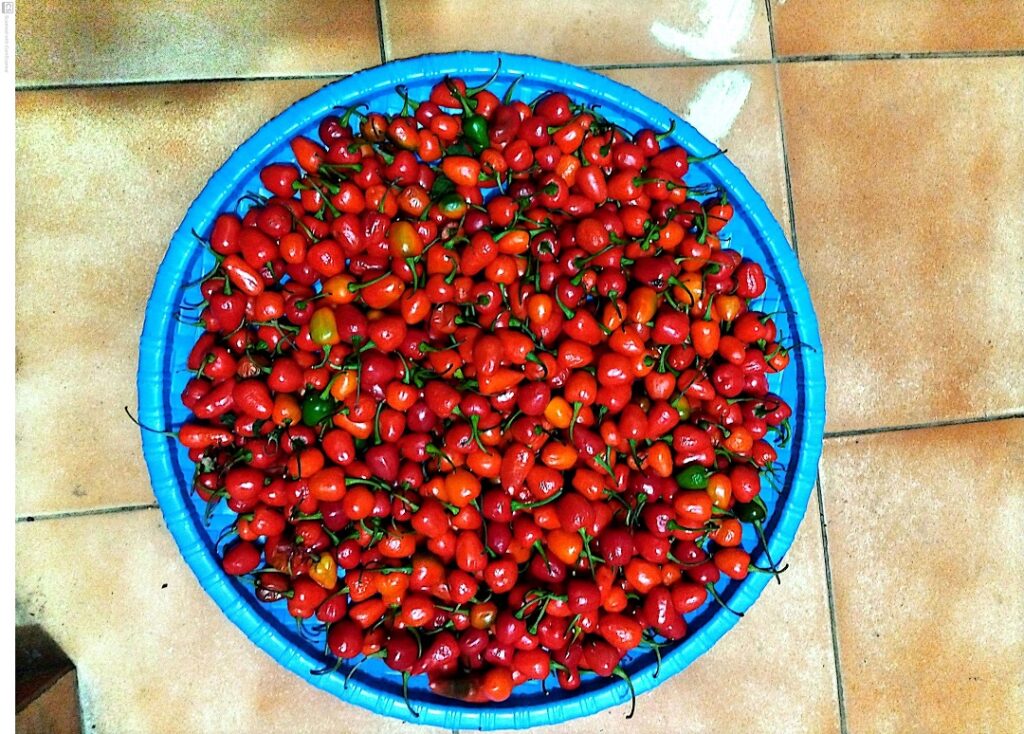
Nepali Kitchen Spices Are Great Medicines
Table of Contents
Introduction
The spices that have been used since ancient times – whose flavors are well-known to our tongues – are present in every Nepali kitchen. They are great medicines (Mahaaushadhis). The taste of these spices, on one hand, provides satisfaction, and on the other, gives nourishment and energy.
In every meal, spices such as turmeric, fenugreek, garlic, clove, cardamom, jimbu, salt, ginger, asafoetida, black salt, cumin, pepper, ajwain, oil, timur, camphor, cinnamon, bay leaf, nutmeg, and ghee are used — all of which are names of natural medicines. These spices and herbs are commonly used in Nepali dishes like vegetables, pickles, and lentils.
Moreover, these spices and herbs are also applied externally when the body aches, burns, suffers from headaches, injuries, sprains, or swelling — as pastes or medicinal mixtures. When there is a loss of appetite, or when skin rashes and itching appear, small measured doses are taken internally.
When suffering from stomach pain, bloating, constipation, cough and cold, burning urination, or eye pain – it is a traditional practice in our homes to use such easily available herbs and spices as remedies.
However, it is important to know the proper quantity and method of use, as this knowledge helps prevent possible diseases and stops problems in their early stages. Elderly members of the household are usually aware of the correct doses and applications of these remedies.
The Nepali kitchen is not just a place for cooking food; it is a living repository of traditional Ayurveda wisdom. The spices we use daily — turmeric, ginger, garlic, cumin, pepper, fenugreek, Asafetida, cinnamon, bay leaf, Timur, and many more — are not mere flavoring agents but Mahaaushadhis (great medicines).
According to Ayurveda, “Aahara eva auṣadham dvayam ekam bhavati buddhimatām” — for the wise, food itself is medicine. This philosophy beautifully reflects in the Nepali culinary tradition, where each spice contributes not only to taste but also to health and healing.
Research Background
From ancient times, Nepal’s diverse geography has provided a rich variety of herbs and spices that double as medicinal agents. A 2018 report by the Department of Plant Resources found that over 65% of culinary spices used in Nepal possess identified medicinal properties.
Similarly, a 2021 study by the Institute of Ayurveda, Tribhuvan University titled “Ethnobotanical and Ayurveda Use of Nepali Spices” confirmed that more than 20 commonly used kitchen spices have proven anti-inflammatory, antimicrobial, digestive, and immune-boosting effects.
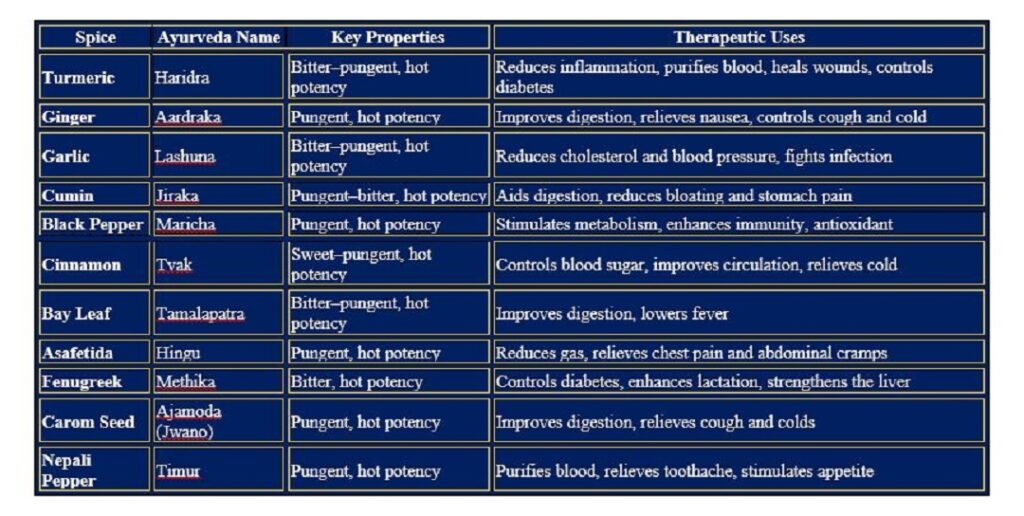
Major Spices and Their Medicinal Properties
Scientific Perspective
Modern science supports the Ayurveda understanding of spices. Studies show that these herbs contain bioactive compounds such as Curcumin (Turmeric), Allicin (Garlic), Gingerol (Ginger), Cinnamaldehyde (Cinnamon), and Piperine (Black Pepper) that play crucial roles in disease prevention and management.
Antioxidant effects: Neutralize harmful free radicals.
Anti-inflammatory effects: Reduce swelling and joint pain.
Antimicrobial activity: Kill or inhibit bacteria, viruses, and fungi.
Cardioprotective effects: Improve heart health and blood circulation.
A 2022 article in the Journal of Ethnopharmacology concluded that regular and balanced consumption of natural spices can significantly reduce the risk of non-communicable diseases (NCDs) such as hypertension, diabetes, obesity, and certain cancers.
Ayurveda Viewpoint
In Ayurveda, spices are not categorized merely as food ingredients but as functional medicines.
They:
Strengthen Agni (digestive fire).
Balance the Tridoshas (Vata, Pitta, Kapha).
Detoxify the body by eliminating Ama (toxins).
Nourish the seven Dhatus (tissues) and promote overall vitality.
For instance, the classical Ayurveda text Bhavaprakasha Nighantu says:
“Haridra raktapitta kushtha prameha shotha harani cha”
(Turmeric cures blood disorders, skin diseases, diabetes, and swelling.)
Traditional Home Uses and Preventive Roles
Even today, Nepali households rely on these spices as first-line remedies:
Topical paste: Turmeric and oil for burns or wounds.
Digestive water: Asafetida and salt mixed in warm water for stomach pain.
Herbal decoction: Ginger, pepper, and tulsi to treat colds and coughs.
Saltwater gargle: Relieves sore throat and throat infections.
Such practices exemplify preventive medicine, where minor ailments are managed naturally before they escalate.
Cultural and Social Significance
Spices in Nepali kitchens are deeply intertwined with religion, culture, and social life:
Turmeric, camphor, and oil are used in rituals and pujas as purifiers.
During festivals like Tihar and Janai Purnima, spices symbolize auspiciousness and health.
Mastery in spice use has traditionally been a mark of wisdom and household competence among Nepali women.
Challenges and Opportunities
Modern commercialization has led to adulteration and chemical contamination in many spices. This not only diminishes their medicinal value but also threatens health.
Therefore, it is essential to:
Promote organic cultivation and traditional processing methods.
Encourage Ayurveda-based functional food research.
Establish national standards for spice purity and authenticity.
Nepal has a unique potential to become a global model for Ayurveda Culinary Medicine if this heritage is preserved and promoted scientifically.
Conclusion
The spices used in the Nepali kitchen are not ordinary condiments – they are Mahaaushadhis, the great medicines. They nurture the body, mind, and spirit while preventing disease and promoting longevity.
By integrating traditional Ayurveda knowledge with modern scientific validation, Nepal can lead the way in demonstrating how “Food is Medicine” in the truest sense.
Reviving and researching these time-tested culinary herbs will not only strengthen public health but also honor the profound wisdom of Nepali tradition.
References
Department of Plant Resources, MoFE (2018). Medicinal and Aromatic Plants of Nepal.
Institute of Ayurveda, Tribhuvan University (2021). Ethnobotanical and Ayurveda Study on Nepali Spices.
Journal of Ethnopharmacology (2022). Phytochemical Analysis of Common Culinary Herbs and Spices.
Bhavaprakasha Nighantu, Classical Ayurveda Texts
Nepali Kitchen Spices Nepali Kitchen Spices Nepali Kitchen Spices Nepali Kitchen Spices Nepali Kitchen Spices Nepali Kitchen Spices Nepali Kitchen Spices Nepali Kitchen Spices Nepali Kitchen Spices Nepali Kitchen Spices


