Brahmanaal (ब्रह्मनाल)
Table of Contents

Introduction
The term “Brahmanaal” (Sanskrit: ब्रह्मनाल / Brahmanaal) carries deep linguistic, spiritual, and geographical significance. It is derived from the combination of “Brahma” (the Supreme Consciousness or the Ultimate Reality) and “Nala” (meaning channel, stream, conduit, or sacred passage).
Throughout history, “Brahmanaal” has appeared in ancient Sanskrit dictionaries, sacred texts, and place names – often referring to a holy bathing place (Tirtha / Ghata), or a sacred conduit associated with divine energy or purification.
Etymology and Meaning
Sanskrit Composition:
Brahma + Nala = a divine or sacred channel, or a place connected with spiritual purification.
Literal Meaning:
The “channel of Brahman” or “pathway to divine consciousness.”
Symbolic Significance:
In spiritual terms, it may represent an inner subtle pathway connecting the human consciousness to the cosmic consciousness (Brahman).
Historical and Scriptural References
Ancient Sanskrit lexicons and Puranic geography refer to Brahmanaal as a sacred bathing place (Tirtha) located in Kashee (Varanasi) — one of the holiest cities in Hindu tradition.
Bathing in such places is said to remove sins and lead the devotee toward Moksha (liberation). These sacred water bodies are mentioned alongside other important Ghata and Tirtha in classical literature.
Religious and Cultural Significance
Spiritual Cleansing:
In Hinduism, sacred water is considered a purifier of both the body and mind. Bathing at a place like Brahmanaal Tirtha is believed to cleanse past karmas and promote spiritual upliftment.
Funeral and Ancestral Rites:
Some localities bearing the name “Brahmanaal” are associated with cremation or post-cremation rituals (Antyesti, Tarpana). Such sites serve as liminal spaces between the material and spiritual realms, symbolizing the soul’s passage toward liberation.
Cultural Continuity:
The use of names such as Brahmanaal, Brahmanaal Ghata, etc., preserves a link between ancient sacred geography and modern communities who still perform traditional rituals at those spots.
Geographical References
In Nepal:
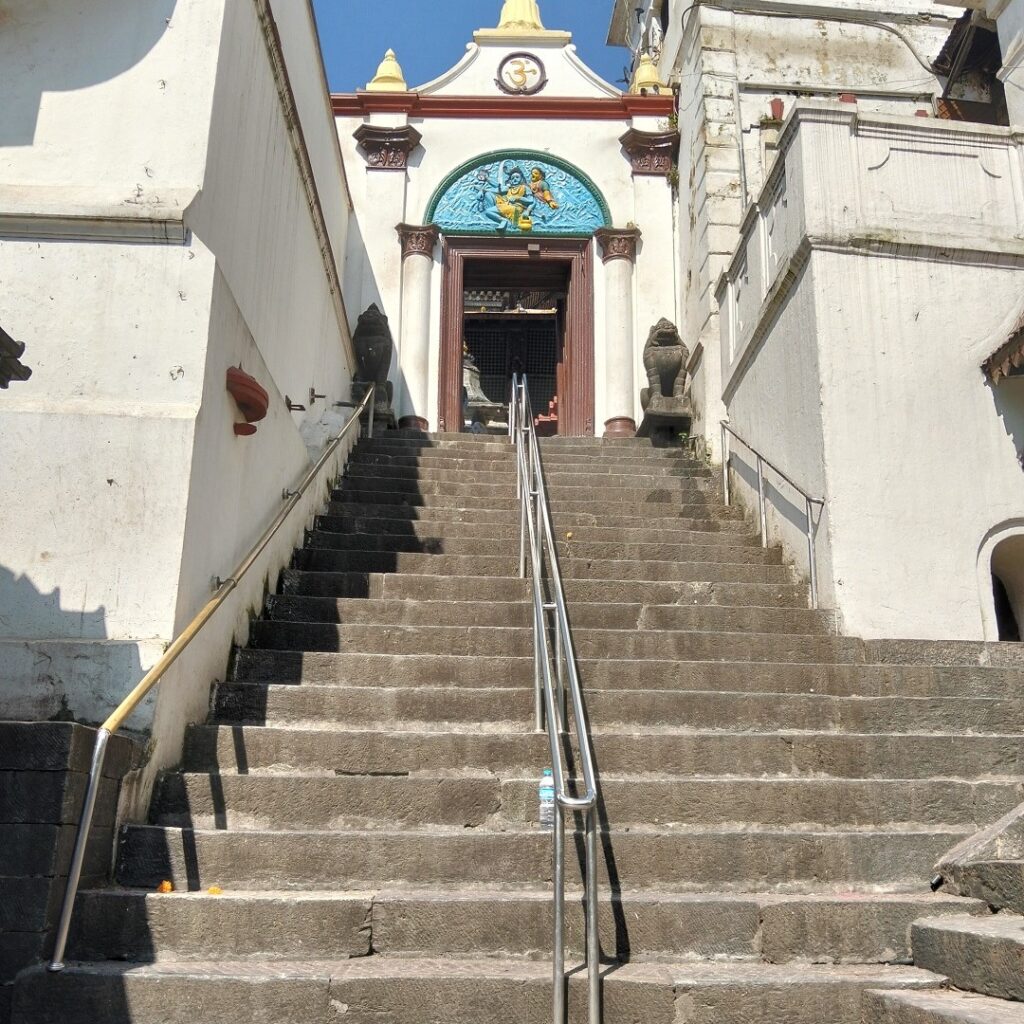
Certain Ghata and temple surroundings near Kathmandu and Tarkeshwor Mahadeva are locally known as “Brahmanaal,” associated with ritual bathing or cremation rites. Local photographs and oral traditions describe these places as sacred zones of purification and spiritual transition.
In India:
In the context of Varanasi (Kashee), ancient texts and dictionaries refer to Brahmanaal as one of the many holy bathing Ghata along the Ganges River.
Modern and Symbolic Usage
Today, “Brahmanaal” or its variants are also used metaphorically and commercially – for instance, as names of Ayurveda wellness centers, coffee shops, or enterprises inspired by ancient spiritual terminology. These modern uses reflect a cultural attempt to connect modern life with sacred heritage and purity symbolism.
Philosophical and Yogic Interpretation
In Yogic and Ayurveda philosophy, the word Nala (channel) often denotes a subtle energy conduit (Nadi). From this perspective, it can also be interpreted as:
The central channel (Sushumna Nadi) – the subtle pathway connecting the Muladhara (root) chakra to the Sahasrara (crown) chakra.
It represents the spiritual route through which the soul attains union with Brahman during deep meditation or at the time of liberation (Brahmarandhra-Marga).
Thus, beyond its geographic and ritual meaning, Brahmanaal symbolizes the inner path to enlightenment.
Cultural Practices and Observances
Rituals: Bathing, offering libations to ancestors, meditation, and chanting of Vedic hymns are common at Brahmanaal sites.
Festivals: Local communities often hold annual fairs, Mela, or remembrance ceremonies at such sacred waters.
Community Heritage: The continuity of such rituals helps preserve spiritual ecology and ancestral memory in traditional societies.
Research and Study Possibilities
Ethnographic Fieldwork: Documenting oral histories, local legends, and ritual practices connected with Brahmanaal sites.
Linguistic Analysis: Studying phonetic variations and evolution of the term Brahmanaal across different regions.
Scriptural Cross-Reference: Comparing mentions in Purana, lexicons, and local temple chronicles.
Cultural Mapping: Creating geo-cultural maps linking ancient Tirtha to their modern equivalents.
In Pashupatinath
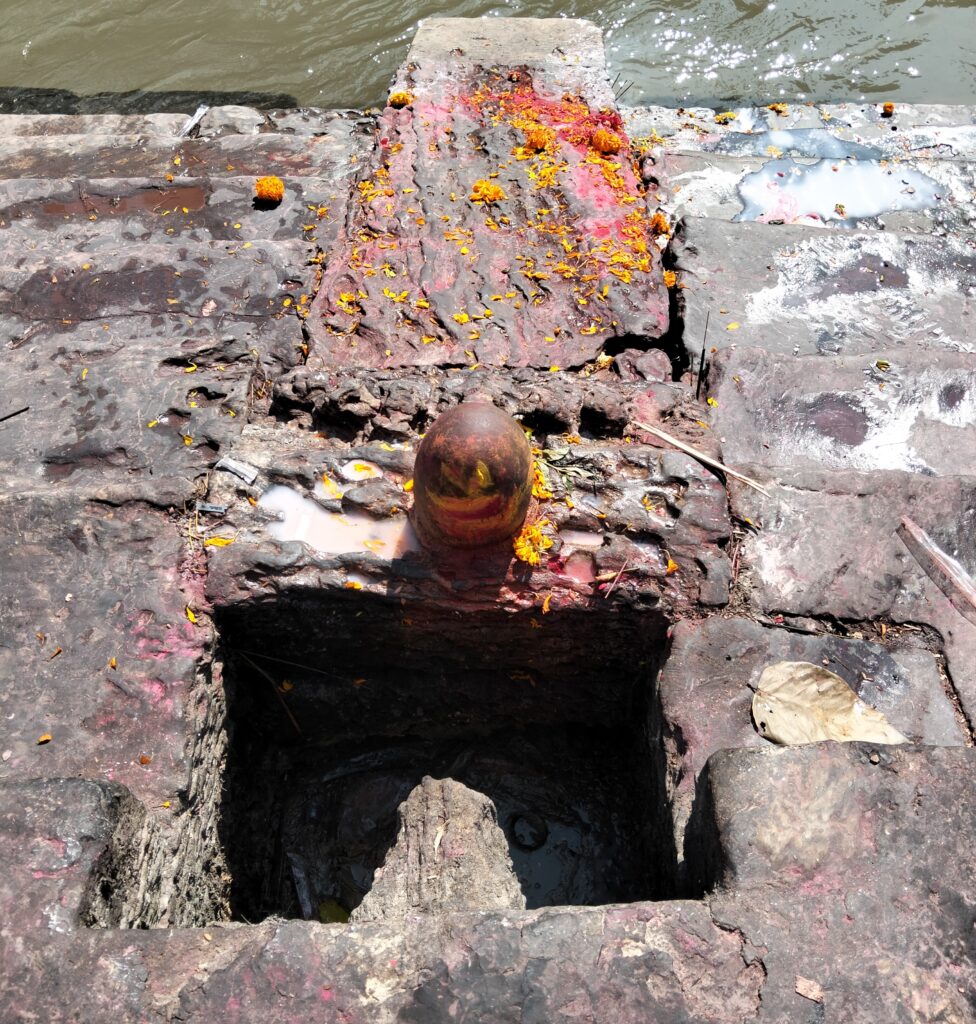
It is a specially designated inclined stone platform or pond‐like area at Aryaghata in the Pashupatinath Temple complex, Kathmandu.
It is part of the ritual infrastructure for the last rites (funeral ceremonies) in Hindu tradition at Pashupatinath.
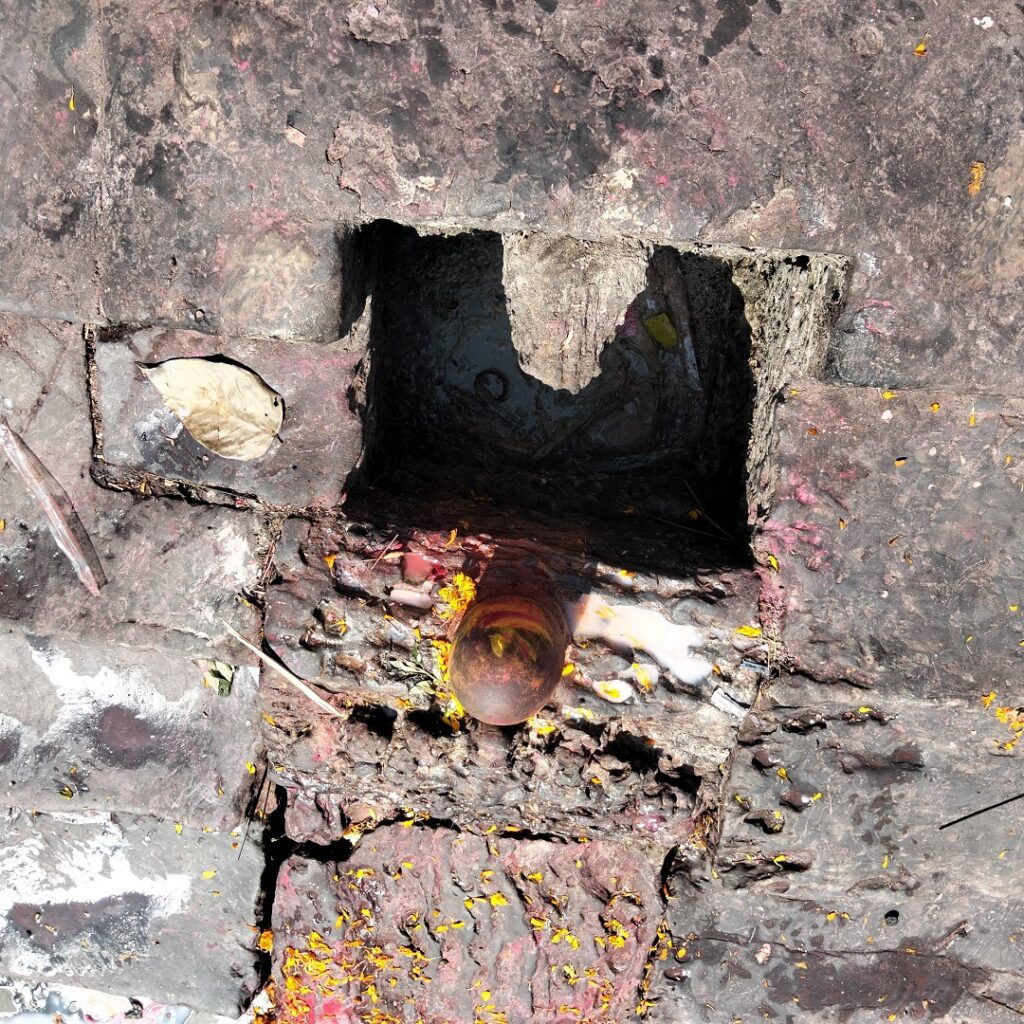
The water in the Brahmanaal is connected (via an outlet/tunnel) to the main Shivalinga in the Pashupatinathnath temple; i.e. the water that is offered (or that flows) from the lingam reaches this pond/area.
Physical Features & Location
Located at Aryaghata, next to the Bagmati River, which is the cremation Ghata of the Pashupatinathnath complex.
It is described as a tilted stone slab / inclined stone platform— the design is such that part of the body of the deceased, particularly the feet or toes, is in contact with flowing holy water (from Brahmanaal) before cremation.
There is also mention of a small pond (“Brahmanaal pond”) which is effectively a water body that receives the water channeled from the main Linga.
Ritual Significance & Practices
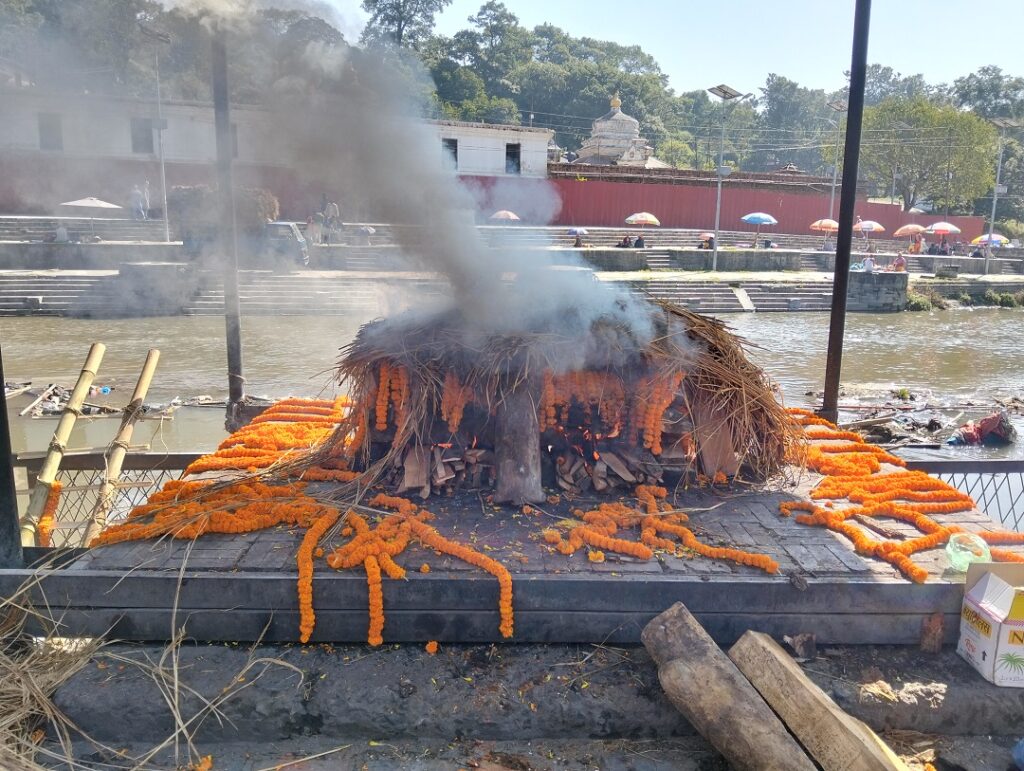
These are some of the rituals connected with Brahmanaal:
Last Rites / Funeral Preparations
After a person dies, before the body is taken to the pyre for cremation at Aryaghata, the body is brought to Brahmanaal. Here the deceased is placed so that the toes or feet touch the flowing holy water.
The head is oriented toward the Pashupatinathnath temple.
Purification
The corpse is bathed (or washed) with holy water. Relatives may pour water into the mouth of the dead, offer flowers, garlands, etc.
The ritual significance is that the deceased receives purification by contact with sacred water linked to Shivalinga. This is believed to help in spiritual transition.
Symbolic Actions / Restrictions
When relatives touch the body they should avoid carrying leather items like belts or purses, as those are considered impure in that context. One should take off their shoes.
There is a tradition that offerings or oblations (flower water, milk water, etc.) poured into the water or through Brahmanaal have symbolic value because of their connection to the main Linga in the temple.
Cultural & Religious Meaning
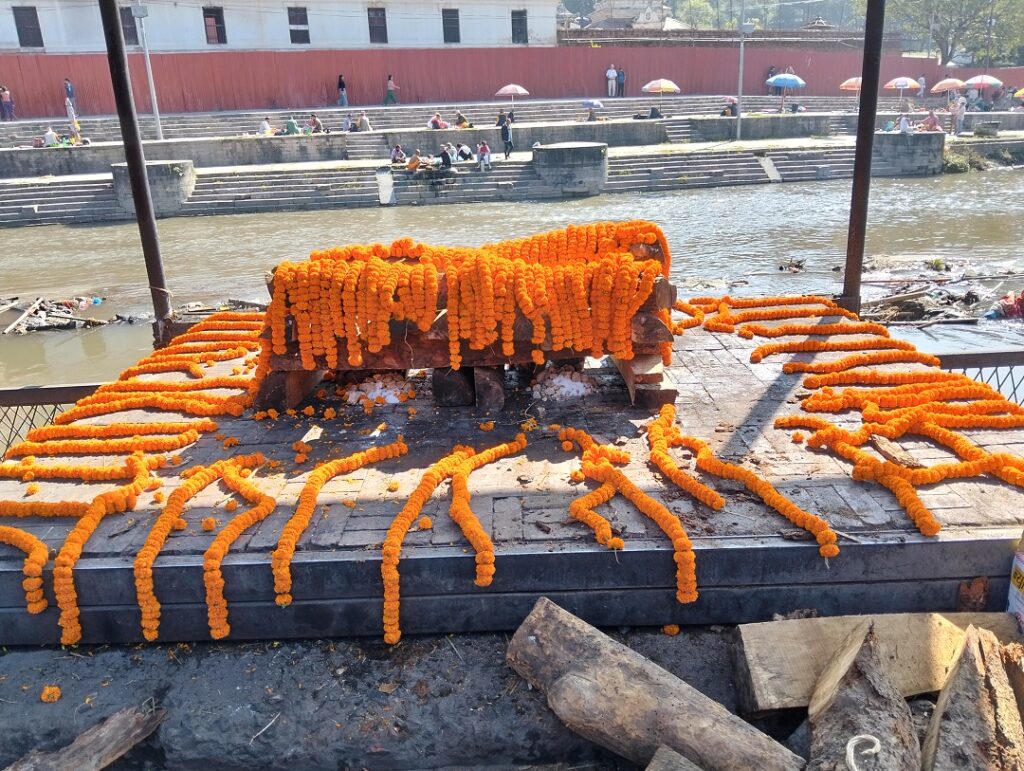
It connects the rituals of death and cremation with the sacredness of the temple, especially Shiva as Pashupatinath. It ensures that death rites are not just physical actions but deeply ritualized entry into a spiritual dimension.
The flowing holy water from Shivalinga means that the place of purification is continuous and “sanctified” – not merely local but connected to the central worship of Shiva in Pashupatinathnath. It emphasizes the belief in purification and liberation (moksha) after death.
It plays a part in making Pashupatinath not only a temple space but a cremation ground and a spiritual geography for transition from life to death in line with Hindu norms.
Sources & Evidence
Ethnographic / cultural studies (“Nepalese Culture” journal) describe Brahmanaal in detail, including its ritual use with the corpse, position of head, water immersion, etc.
Architectural / heritage studies note that the Arya Ghata area includes many Ghata, steps, platforms, and among them a special inclined platform called Brahmanaal for last rites.
Photographs (e.g. on Wikimedia) show Brahmanaal (also labelled Tarkeshwor Mahadeva) at Aryaghata, and give visible clues about its slope, hole for water, etc.
Current Status & Challenges
While Brahmanaal is still used in traditional cremation and purification rituals, there are concerns common to many heritage/rites spaces in Pashupatinathnath: crowding, environmental pollution of Bagmati River, and encroachment of structures. Though Brahmanaal is less directly reported for encroachment (compared to e.g. temple lands), such heritage structures often suffer from lack of upkeep.
Maintenance and protection are implicit responsibilities of temple authorities, Pashupatinath Area Development Trust (PADT), local government and devotees.
Comparative Study: Brahmanaal at Pashupatinath and Other Sacred Ghata
Introduction
Concept of sacred Ghata and death rituals in Hinduism.
Role of water and purification — connection to moksha.
Meaning of “Brahmanaal”: sacred conduit connecting earthly and divine purity.
Brahmanaal at Pashupatinath (Nepal)
Location: Arya Ghata, Pashupatinath Temple, Kathmandu.
Structure: Inclined stone platform with water channel (Nala) flowing from the main Shivalinga.
Ritual use: Final purification — placing deceased so that feet touch the sacred water before cremation.
Symbolism: Physical and spiritual link between the deceased and Lord Pashupatinath (Shiva as Lord of all beings).
Cultural Continuity: Still used in traditional cremation rites; part of Kathmandu’s living heritage.
Comparative Examples
Manikarnika Ghata, Kashi (Varanasi, India)
Oldest and most sacred cremation site in Hindu tradition.
Water connection: Ganga River directly flows by; sacred well Manikarnika Kunda believed to contain Vishnu’s chakra jewel and Shiva’s energy.
Ritual parallel: Washing and anointing the deceased before cremation; belief that death in Kashi grants liberation (moksha).
Symbolic resemblance: Continuous sacred water flow as a link to divine energy – similar to Pashupatinath Brahmanaal conduit.
Vishnu pad & Falgu River, Gaya (Bihar, India)
Sacred site for Pinda Daan (ancestral offerings).
River regarded as purifier; water offerings made to ensure ancestors’ liberation.
Difference: Gaya focuses on ancestral propitiation (Shraddha), whereas Brahmanaal-Pashupatinath focuses on direct cremation rites and transition of the soul.
Arya Ghata vs. Harish Chandra Ghata
Both are associated with Antyesti (last rites).
Harish Chandra Ghata (Varanasi) mythically tied to truth and Dharma; Arya Ghata to divine connection via Brahmanaal water.
Both sites affirm Shiva’s role as liberator at the time of death.
Common Spiritual Idea
All these sites affirm the journey of the soul through water, symbolizing:
Transition from material to spiritual realm.
Cleansing of karmic residue.
Reconnection of Aatma (individual soul) with Brahman (universal consciousness).
Thus, Brahmanaal in Pashupatinath acts as Nepal’s counterpart to India’s Manikarnika, both representing “water as the pathway to liberation.”
Distinctive Value of Brahmanaal at Pashupatinath
Unique Architecture: Underground channel connecting main Shiva linga with cremation water.
Cultural Preservation: Still actively used with Vedic rituals, unlike some ancient Ghata that are partly symbolic today.
Trans-Himalayan Spiritual Bridge: Serves as northern counterpart of Kashi, integrating Himalayan Shaivism with Pan-Indian moksha traditions.
Conclusion
“Brahmanaal” is far more than a name—it embodies spiritual geography, linguistic heritage, and inner yogic symbolism.
Historically revered as a sacred bathing place, it has evolved into a multidimensional concept – symbolizing purity, liberation, and the channel connecting the individual soul (Jivatma) to the Supreme Consciousness (Paramatma).
Whether understood as a holy site, a subtle yogic channel, or a symbol of sacred continuity, Brahmanaal reminds us of the timeless link between water, consciousness, and divine essence.
Brahmanaal at Pashupatinath exemplifies Nepal’s living sacred geography — where ancient metaphysics, ritual symbolism, and environmental sanctity converge.
Just as Ganga in Kashee represents the divine descent, Brahmanaal in Pashupatinath symbolizes the divine ascent of the soul – from earth through water to Brahman.