

Prana and its Importance
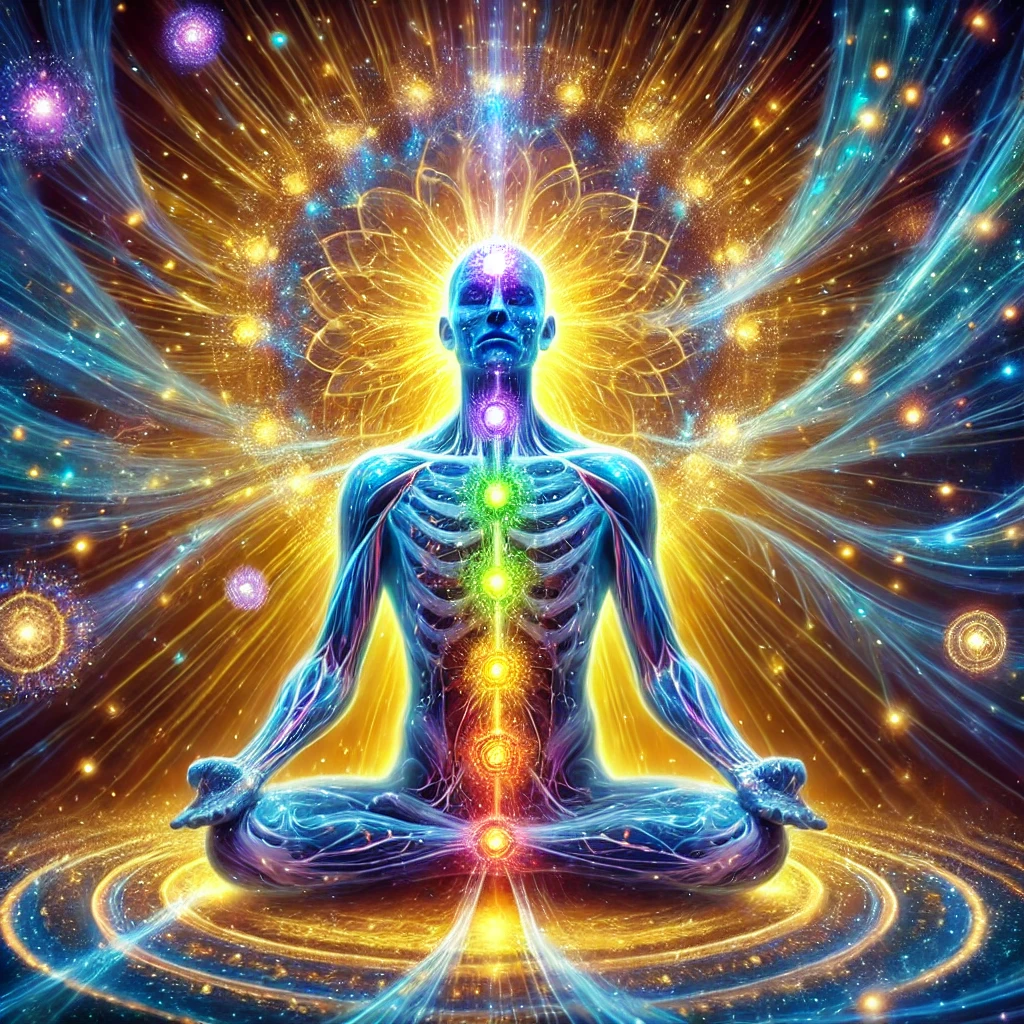
Praṇa is the vital life force that sustains all life. In Ayurveda and Vedic philosophy, prana is considered the essence of life and is responsible for the functioning of the body and mind. It is not only the physical breath but also the energy that moves through all living beings. Prana is central to both the physical and mental health of an individual, as it governs all bodily processes and consciousness.
“अग्नि सोमो वायु सत्व रज तम पञ्चेन्द्रियाणि भूतात्मेति प्राण:”
The Five Elements (Panchamahābhūtas)
Table of Contents
In Ayurveda and Eastern philosophy, the universe and all living beings are made of five elements: earth (prithvi), water (jala), fire (agni), air (vayu), and ether (Aakasha). These elements form the foundation of all physical and mental functions. Their balance is essential for maintaining health and well-being.
Agni (Fire)
Agni represents the digestive fire or metabolic power in the body. It is responsible for the transformation of food into energy and is essential for all physiological functions. Without agni, no bodily function can occur.
Soma (Water)
Soma represents water and the moon. It is the cooling, soothing, and nourishing element that helps maintain hydration, lubrication, and balance in the body.
Vayu (Air)
Vayu represents the vital air or prana Vayu that governs respiration, circulation, and movement within the body. It is responsible for the flow of energy and the functioning of the nervous system.
Sattva
Sattva is a mental quality that represents purity, balance, and harmony. It leads to clarity of mind and spiritual growth. Sattva is associated with positivity and wisdom.
Rajas
Rajas is the quality of activity, movement, and desire. It represents the active, dynamic aspect of life. While it is necessary for growth and change, excessive rajas leads to restlessness, desires, and distractions.
Tamas
Tamas represents inertia, darkness, and ignorance. It is the force of stagnation and lethargy, often leading to confusion and inaction. It is the opposite of Sattva and can cause imbalance in the mind and body.
Pancendriya (Five Senses)
The pañcendriya refers to the five sensory organs: sight (eyes), hearing (ears), smell (nose), taste (tongue), and touch (skin). These senses interact with the external world, gathering information and sending it to the mind, which then processes it. They are the channels through which prāṇa experiences the world and responds to it.
Bhutatma (Elemental Nature/Aatma)
Bhutatma refers to the soul or essence of the five elements. It means that prana is not separate from the elements but is a manifestation of them. Every living being has a connection to the elements, and prana serves as the link that brings them together for life processes. The soul (Aatma) of the elements is prana, and it is through prana that life exists and functions.
Aatma, often referred to as the soul or self in Sanskrit, is a central concept in many Indian philosophical traditions, including Ayurveda. It represents the eternal, indivisible essence that transcends the physical body and mind. The Aatma is seen as the true identity of a person, distinct from the material world and its temporary manifestations. In Ayurveda, the health of the Aatma is considered essential for overall well-being, as it is believed to influence the mind (manas) and body (Sharira).
A harmonious connection between the Aatma, mind, and body is crucial for mental peace, physical health, and spiritual growth. Practices like meditation, self-awareness, and adherence to ethical principles (Sadvritta) help in nurturing and aligning the Aatma with the body and mind for a balanced and fulfilled life.
The Functioning of Prana
Praṇa works by maintaining balance and harmony in the body and mind. It regulates the interaction between the five elements, the senses, and the mind. The smooth functioning of prana ensures that the body and mind are healthy and in equilibrium. Prana, in conjunction with the elements, ensures that physiological processes such as digestion, respiration, and circulation occur properly.
Conclusion
Prana and its associated elements—Agni, Soma, Vayu, Sattva, rajas, tamas, and the Pancendriya—are fundamental to the life force and health of all living beings. In Ayurveda, the balance of these elements within the body and mind is essential for maintaining health, vitality, and mental peace. Understanding and nurturing prana helps in achieving overall wellness and longevity.